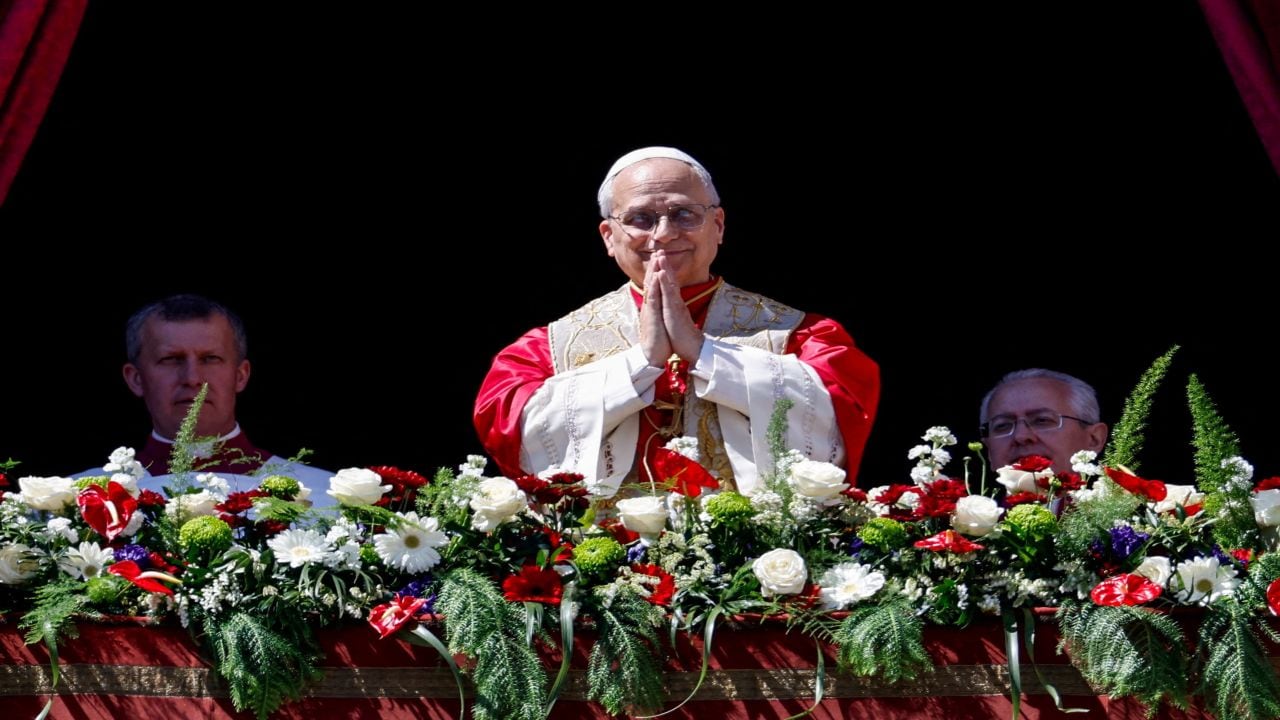
Establishment media is tripping over itself to frame the friction between Donald Trump and the Papacy as a clash of civilizations. They want you to believe this is a binary choice between "peace-loving globalism" and "isolationist nationalism." They are wrong. They are missing the structural reality of how soft power operates in the 21st century.
When Trump attacks a "peace appeal" as "terrible for foreign policy," he isn't just being a provocateur for the sake of a headline. He is exposing a fundamental truth about the obsolescence of modern diplomatic theater. The outrage machine wants you to focus on the optics. The real story is the brutal collision between Westphalian sovereignty and an NGO with a cross.
The Myth of the Neutral Arbiter
The "lazy consensus" suggests that the Vatican serves as a neutral, moral referee in global conflict. This is a historical fantasy. Since the signing of the Lateran Treaty in 1929, the Holy See has functioned as a micro-state with macro-ambitions. It has interests. It has debts. It has a specific geopolitical agenda that often aligns more with maintaining its own institutional relevance than with the pragmatic realities of ending a war.
Peace appeals are not magic spells. They are policy interventions. When the Pope calls for a ceasefire in a vacuum, he isn't just "promoting peace." He is actively altering the leverage of the combatants. In the world of realpolitik, a ceasefire is often just a tactical window for the losing side to rearm. By criticizing these appeals, Trump is acknowledging a reality that the diplomatic corps is too polite to say out loud: moral grandstanding can actually prolong bloodshed by subsidizing the resilience of the aggressor.
Why 'Bad for Foreign Policy' is Actually Accurate
Critics claim Trump’s rhetoric damages American standing. They argue that picking a fight with the Bishop of Rome is a strategic blunder. This ignores how power is actually projected.
If your foreign policy depends on the approval of a religious figurehead in Europe, you don’t have a foreign policy. You have a PR campaign.
Foreign policy is the management of scarcity and security. It is about the credible threat of force and the tangible promise of economic benefit. The Pope has neither. When the Vatican weighs in on active battlefields, it introduces a "moral hazard." It gives domestic political actors a religious shield to hide behind when they want to avoid making the hard, often ugly choices required to actually secure a border or stabilize a region.
The Problem with Sentimentality in Statecraft
Imagine a scenario where a state is on the verge of a decisive breakthrough that could end a decade-long insurgency. A high-profile "peace appeal" is issued. Public pressure mounts. The state halts its advance. The insurgency survives, regroups, and kills another 50,000 people over the next five years.
Was that appeal "good"? Only if you value the feeling of being virtuous over the reality of being effective.
Trump’s "terrible for foreign policy" comment is a rejection of this sentimentality. It is a demand that we view international relations through the lens of results, not intentions. The Vatican’s intervention is often a "black swan" event for negotiators—an unpredictable variable that disrupts carefully calibrated leverage without offering any tangible enforcement mechanism to back up the resulting "peace."
The Inversion of Influence
We are witnessing a fascinating inversion. Historically, the Church provided the moral framework that the State then enacted. Today, the State (in its populist form) is accusing the Church of being a political actor disguised as a moral one.
Trump isn't attacking religion; he's attacking a competitor in the attention economy. He recognizes that the Vatican is essentially a massive, sovereign legacy media outlet. When the Pope speaks, he is competing for the same "America First" or "Global Citizen" mindshare that politicians crave.
By framing the Pope’s comments as "terrible policy," Trump drags the Papacy down into the mud of partisan debate. This is a deliberate tactical move to strip the Holy See of its "sacred" immunity. Once the Pope is seen as just another pundit with an opinion on trade deals or border walls, his unique power to shame world leaders evaporates.
The Cost of the Counter-Intuitive Approach
There is a downside to this scorched-earth realism. When you dismantle the "moral referee" system, you are left with a world governed purely by the Thucydidean logic that "the strong do what they can and the weak suffer what they must."
If we move to a world where even the Pope is treated as a political operative, we lose the last remaining shared language of the West. But let’s be honest: that language was already dead. It was a hollowed-out vocabulary used by elites to justify status-quo failures.
Trump didn’t break the consensus; he just stopped pretending it was still there.
The 'People Also Ask' Fallacy
You’ll see the questions everywhere: "Can the Pope influence US elections?" or "Does Trump's criticism hurt the Catholic vote?"
These questions are built on the flawed premise that voters are mindless drones who follow a single signal. Data suggests otherwise. Catholic voters in the US are one of the most fractured demographics in existence. They don't vote as a bloc because they are "Catholic"; they vote based on their economic class and geographic reality.
The media focuses on the "clash" because it’s an easy narrative. It’s much harder to talk about the shifting tectonic plates of sovereign debt, energy independence, and the failure of international institutions like the UN—all of which are the actual drivers of the tension.
Stop Looking for a Hero
The competitor article wants you to pick a side. It wants you to be "Pro-Pope" or "Pro-Trump."
The insider truth? Both are heads of massive, bureaucratic organizations trying to survive a period of extreme volatility.
- The Pope needs to remain relevant in a secularizing world by positioning the Church as the ultimate humanitarian NGO.
- Trump needs to remain relevant by positioning himself as the only one brave enough to call out the "globalist" charade.
Both are using the conflict to solidify their respective bases. It is a symbiotic relationship of mutual antagonism. The "peace appeal" was the bait; the "attack" was the hook.
The Reality of Modern Sovereignty
If you want to understand the future of foreign policy, stop reading the transcripts of Vatican press releases. Look at the balance of payments. Look at who owns the chips and who controls the shipping lanes.
The era where a letter from Rome could stop an army is five hundred years in the past. We are living in the ruins of that world, and the current shouting match is just the sound of the dust settling.
Effective diplomacy in the 2020s requires a ruthless focus on national interest. It requires the ability to ignore the "moral" noise generated by entities that have no skin in the game. If that makes for "terrible" optics at a dinner party in Brussels, so be it.
The world is not a cathedral; it is a marketplace of power. If you go into a marketplace expecting a sermon, you’re going to get robbed.
Quit waiting for a moral authority to save the day. They are too busy protecting their own brand.