The digits on the display at the corner gas station flicker with a frantic, electronic pulse. It is 5:15 PM. Usually, this is the hour of the weary commute, a time of mindless radio scanning and the anticipation of a lukewarm dinner. But today, the atmosphere is different. There is a sharp, metallic edge to the air. Drivers lean out of their windows, craning their necks to see the glowing board above the canopy.
$103.
That number represents more than a price point. It is a psychological threshold, a jagged glass ceiling that just shattered over the global economy.
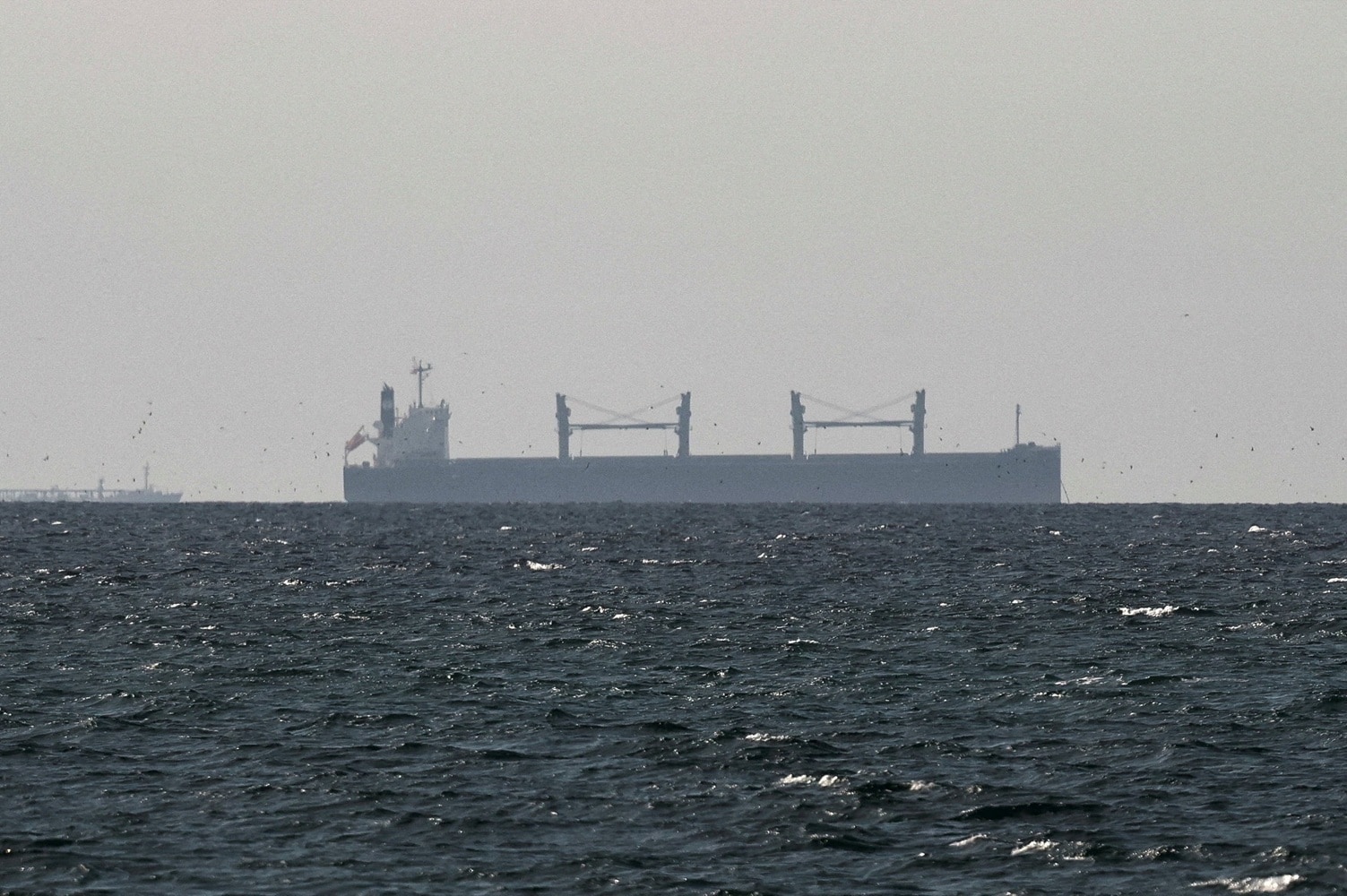
Earlier this morning, the White House issued a directive that felt like a physical blow to the markets: a total naval blockade of Iranian oil exports. The rhetoric was stiff, filled with phrases like "strategic containment" and "maritime security." But by the time those words traveled from the briefing room to the trading floors of New York and London, they had transformed into pure adrenaline. Brent crude didn't just climb; it leaped.
The invisible chain
Imagine a single barrel of oil. It is a heavy, steel drum filled with thick, prehistoric energy. Now, imagine that barrel is connected by an invisible, unbreakable thread to everything you touched today. It is tied to the plastic casing of your phone, the synthetic fibers in your shoes, and the fertilizer used to grow the spinach in your refrigerator. Most importantly, it is tied to the truck that delivered all of those things to your town.
When the price of that barrel crosses the $100 mark, every one of those threads tugs back. Hard.
Consider Elias. He’s a hypothetical driver for a regional logistics firm, but his reality is shared by millions. Elias doesn't care about the intricacies of the Strait of Hormuz or the diplomatic tensions between Washington and Tehran. He cares about the "fuel surcharge" line on his weekly invoice. When oil hits $103, Elias’s profit margin—the narrow slice of income that pays for his daughter’s braces and his mortgage—evaporates.
He is the first domino.
When Elias has to pay more to move a crate of oranges from a warehouse to a grocery store, he doesn't just eat that cost. He passes it on. You feel the blockade not when you read the news, but when you realize the price of a gallon of milk has climbed twenty cents overnight. This is the kinetic energy of geopolitics. A decision made in a wood-paneled room in D.C. creates a ripple that eventually steals the "extra" money out of a middle-class wallet in Ohio or a fishing village in Thailand.
The ghost of shortages past
The volatility we are seeing isn't just about the oil that is being stopped; it is about the fear of what happens next. The market is a nervous animal. It remembers 1973. It remembers 1979. It remembers the long, idling lines of cars stretching around city blocks and the "No Gas" signs hanging from rusted pumps.
A blockade is a blunt instrument. By physically preventing Iranian tankers from reaching their buyers in Asia and Europe, the U.S. has effectively deleted millions of barrels of daily supply from a world that was already running on a tight margin. Economics 101 tells us that when supply drops and demand stays steady, prices go up. But Economics 101 doesn't account for panic.
Panic is the multiplier.
Traders aren't just buying oil because they need it today. They are buying "futures"—bets that the oil will be even more expensive, and even harder to find, tomorrow. This speculation creates a feedback loop. The more people fear a shortage, the more they buy, which causes the very price spike they were afraid of. It is a self-fulfilling prophecy written in black gold.
The geopolitical gamble
Why take the risk? Why invite the ghost of inflation back into the house just when it seemed to be leaving?
The administration’s logic is rooted in the belief that the current Iranian regime is funded almost entirely by these oil revenues. By cutting off the flow, they hope to starve the machine. It is a high-stakes game of chicken played with the world’s gas tanks. If the blockade holds and Iran’s economy buckles, the U.S. might achieve a diplomatic victory without firing a shot.
But there is a secondary front in this war.
Other oil-producing nations are watching. Usually, when prices spike, countries like Saudi Arabia or the UAE are pressured to "open the taps" to stabilize the market. But the global landscape is fractured. Alliances are no longer as predictable as they were twenty years ago. If the Gulf states decide to keep their production steady—or if they lack the spare capacity to make up for the Iranian deficit—the $103 we see today will look like a bargain by next month.
The math is brutal. For every dollar the price of oil rises, billions of dollars are diverted from consumer spending into energy costs. It is a massive, involuntary tax on the global population.
The weight of the world
Back at the gas station, a woman in a business suit stares at the pump. She watches the cents scroll by faster than the gallons. She is doing the mental math we all do now. If it costs eighty dollars to fill the tank today, what gets cut from the budget on Friday? Is it the movie night? Is it the savings account?
There is a specific kind of exhaustion that comes from watching the world become more expensive in real-time. It’s a low-grade fever of the soul. We feel small. We feel like pawns in a game where the players are nations and the board is the entire planet.
The blockade isn't just a naval maneuver. It’s a disruption of the rhythm of modern life. We have built a civilization on the assumption that energy will always be cheap, or at least predictable. When that assumption fails, the friction is felt everywhere.
Shipping lanes are the arteries of the world. When you clog one, the whole body feels the pressure. We are currently watching the blood pressure of global commerce skyrocket. The $103 mark is a warning light on the dashboard of the world. It’s telling us that the engine is overheating, that the margins are gone, and that the "strategic" choices of the powerful are about to become the daily struggles of the many.
The sun begins to set, casting long, orange shadows across the pavement. The line at the station grows longer. People aren't just filling up because they are low; they are filling up because they are afraid of what the sign will say tomorrow morning.
In the silence between the clunks of the nozzles, you can almost hear the gears of the global economy grinding, struggling to turn against the weight of a hundred-dollar barrel. The price is $103. The cost is much, much higher.