The silence of the Persian Gulf at 3:00 AM is usually heavy, a thick blanket of humid salt air and the low, rhythmic hum of industry. At the Ras Tanura refinery, that hum is the heartbeat of the global economy. It is a constant, reassuring vibration that signals the world is turning, cars are moving, and lights are staying on.
Then came the buzzing.
It wasn't the sound of a storm or a mechanical failure. It was the high-pitched, persistent whine of a lawnmower engine suspended in the dark sky. For the shift workers walking the catwalks of the world's largest offshore oil loading facility, that sound didn't belong. It was a foreign note in a familiar symphony. Seconds later, the vibration changed from a hum to a roar.
The fire didn't just start; it erupted.
The Fragility of the Flow
We often treat the global energy supply like water from a kitchen tap. You turn the handle, and it’s there. We rarely consider the sprawling, intricate web of steel and pressure that makes that simplicity possible. Ras Tanura is the crown jewel of that web. Located on a peninsula jutting into the Gulf, it processes millions of barrels of crude oil every day. It is a massive, metallic lung that breathes life into international markets.
When a drone strikes a facility like this, it isn't just an attack on a physical building. It is a precision strike on the collective psyche of the global market.
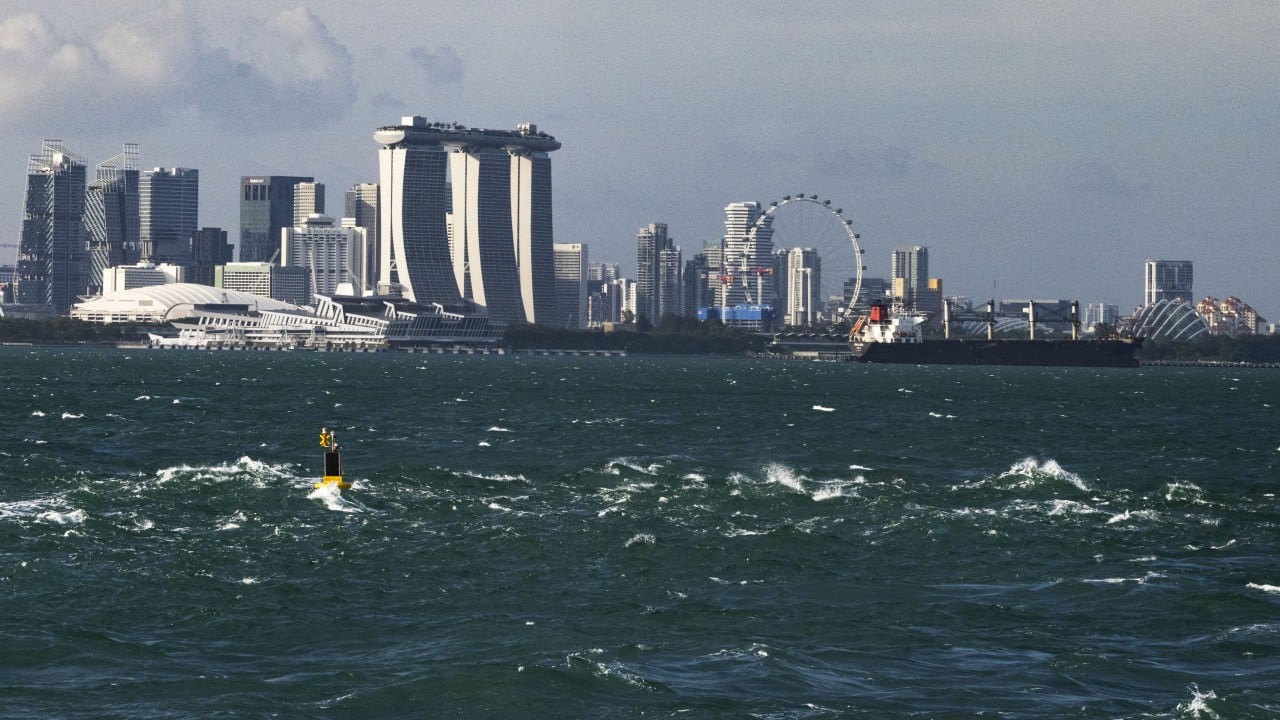
Imagine a trader in a glass tower in London or Singapore. They aren't looking at the flames or smelling the acrid scent of burning hydrocarbons. They are watching a flickering screen. When the news broke that a drone had breached the most protected airspace in the kingdom, the numbers on those screens began to dance. Brent crude didn't just tick upward; it jumped.
This is the hidden tax of instability. Every time a remote-controlled aircraft—costing perhaps a few thousand dollars—strikes a multi-billion dollar refinery, the price of a gallon of gas in a suburb half a world away creeps up. We are all connected to the pipes of Ras Tanura by an invisible, financial umbilical cord.
The Ghost in the Machine
The technical reality of the attack is a testament to how the nature of conflict has shifted. In decades past, a threat to a refinery meant a formal declaration, a fleet of bombers, or a naval blockade. Today, it’s a "suicide drone."
Think of it as a guided bird made of fiberglass and explosives.
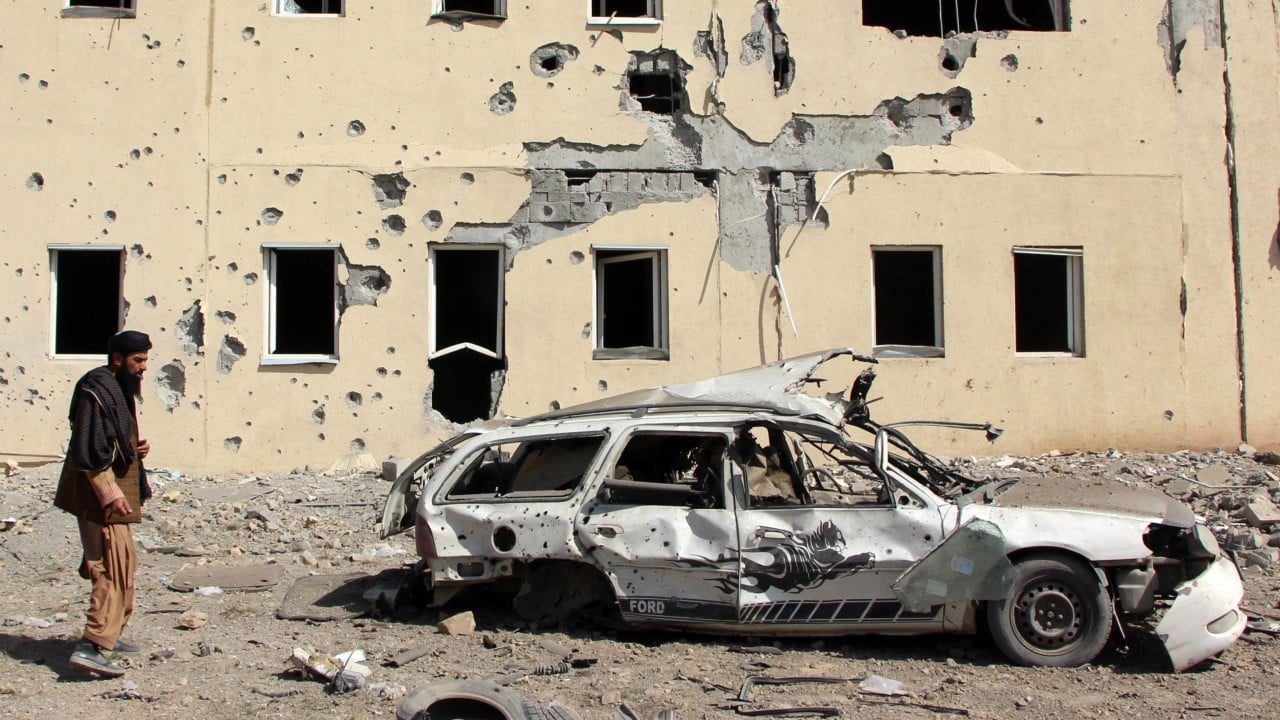
These devices are designed to exploit the gaps in traditional defense. Modern radar is excellent at spotting a fighter jet flying at 30,000 feet. It is less adept at catching a small, low-flying object that moves with the speed and profile of a large migratory bird. By the time the automated defense systems at Ras Tanura identified the threat, the drones were already descending toward the storage tanks.
The damage to the infrastructure was localized, but the damage to the concept of "security" was total.
Saudi Aramco, the state-owned giant that operates the site, is famous for its redundancy. They have backups for their backups. They can reroute flow, tap into underground reserves, and keep the tankers loading even while smoke is still rising from a terminal. But you cannot reroute the fear of the next strike. The engineers who rushed to the scene weren't just fighting a chemical fire; they were trying to prove to the world that the machine was still under control.
The Human Cost of a Statistical Event
Let’s look at a hypothetical worker named Ahmed. He has spent twenty years at Ras Tanura. He knows the specific clink of every valve and the exact shade of grey the smoke should be when a boiler is running hot. To Ahmed, the refinery isn't a geopolitical pawn. It’s his office. It’s where he earned the money to send his daughter to university in Riyadh.
When the sirens wailed that night, Ahmed didn't see a "disruption in the supply chain." He saw the potential for a catastrophic pressure release that could level the pier where his friends were working.
The "news" tells us that production was halted as a "precautionary measure." The "story" is that hundreds of men stood in the dark, hearts racing, wondering if another drone was currently tracking their heat signatures from five miles out. There is a specific kind of courage required to stay at your post in a facility that is essentially a giant, stationary bomb during an air raid.
The global headlines focused on the five percent jump in oil futures. They ignored the fact that for several hours, the men at Ras Tanura were the front line of a war they never signed up to fight.
Why the Market Stopped Breathing
To understand the weight of this event, we have to look at the math of desperation. The global oil market operates on a razor-thin margin of spare capacity. There is very little "extra" oil sitting around. The world consumes roughly 100 million barrels every day. When a major node like Ras Tanura goes offline—even for a few hours—the equilibrium vanishes.
- Supply side: The immediate loss of processed fuel creates a vacuum.
- Logistics side: Tankers idling in the Gulf begin to rack up massive "demurrage" fees, costing tens of thousands of dollars per hour.
- Psychological side: Uncertainty is more expensive than actual damage.
The real problem lies in the realization that the world's energy heart is vulnerable to hobbyist-level technology. It’s a David and Goliath story where David has a GPS-guided warhead and Goliath is made of highly flammable liquid.
Consider what happens next: insurance companies recalibrate their risk models. Every barrel of oil coming out of the Middle East suddenly carries a "war risk" premium. This isn't a conspiracy; it’s a survival instinct for capital. When you fill up your car next week, a few cents of that transaction is effectively a payment toward the anxiety caused by those drones over Ras Tanura.
The Silence After the Smoke
By the time the sun rose over the Gulf, the fires were out. The official statements were released—polished, calm, and reassuring. "No impact on supply," the press releases claimed. "Operations resuming shortly."
But the air around the refinery had changed.
The technicians returned to their diagnostic screens, checking the integrity of the tanks. The tankers resumed their slow, heavy crawl toward the horizon. On the surface, the status quo had been restored. Yet, if you look closely at the charts, the "spike" in the data remains as a permanent scar.
We live in an age where the distance between a remote desert peninsula and your local gas station has been compressed to zero. The drone strike wasn't just a news item about a far-off land. It was a reminder that the systems we rely on for our daily comfort are held together by a fragile peace and the tireless work of people like Ahmed, who keep the pressure steady while the sky watches with a thousand electronic eyes.
The world didn't stop that night, but for a moment, it held its breath.
When the hum of the refinery returned to its normal pitch, it felt less like a machine restarting and more like a patient waking up from a trauma. The heartbeat is back, but it's faster than it used to be. Every time a distant engine buzzes in the night air now, the workers look up, the traders lean in, and the world waits to see if the sky will turn orange once again.