The sky over Beirut does not turn black at midnight anymore. It turns a bruised, electric violet, illuminated by the rhythmic pulse of outgoing anti-aircraft fire and the blinding magnesium white of incoming munitions. For the millions living beneath this canopy, sleep has become a relic of a different era. People don't wake up to alarms; they wake up to the structural vibration of their own homes—a low, guttural thrum that tells the nervous system the world is tearing itself apart before the brain even finds its bearings.
We are no longer talking about "tensions" or "escalations." Those are sterilized words used by men in air-conditioned briefing rooms thousands of miles away. What is happening now is a systemic collapse of the old geographic barriers that once kept localized grief in check. The theater of war has metastasized. From the limestone cliffs of Cyprus to the dense urban sprawl of Lebanon, the map is bleeding.
The Shattered Silence of the Akrotiri
Imagine a British airman stationed at RAF Akrotiri on the southern coast of Cyprus. For decades, this Mediterranean outpost was a place of strategic observation, a sunny vantage point from which the West monitored the shifting sands of the Levant. It felt insulated. It felt like a spectator’s seat.
That illusion vanished when Iranian missiles streaked across the sea.
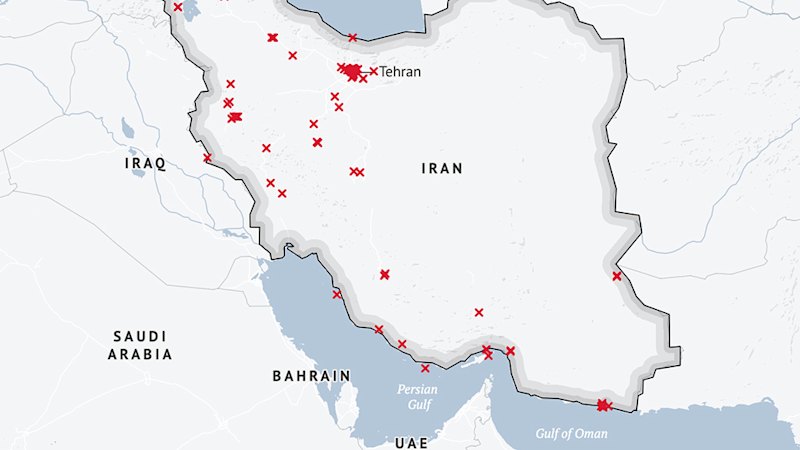
When Iran targeted a British base on Cypriot soil, the geography of the conflict shifted fundamentally. This wasn't just another exchange in the desert. It was a signal that the reach of Tehran has no interest in staying within the traditional borders of the Middle East. By striking a base on an island that serves as a sovereign British Overseas Territory, the conflict officially jumped the fence. It entered European waters.
The rationale offered by Tehran is clinical: the base was being used to facilitate intelligence and logistics for strikes against their interests. But the human reality is much louder. It is the sound of sirens wailing in a tourist-heavy Mediterranean haven. It is the realization that a "regional conflict" is a term of the past. If you are within a two-thousand-mile radius of the epicenter, you are in the splash zone.
The Concrete Rain in Beirut
While the world watches the flight paths of long-range missiles, the people of Beirut are dealing with the physics of falling buildings. Hezbollah’s strongholds, woven into the very fabric of residential neighborhoods, have become the focus of a relentless aerial campaign.
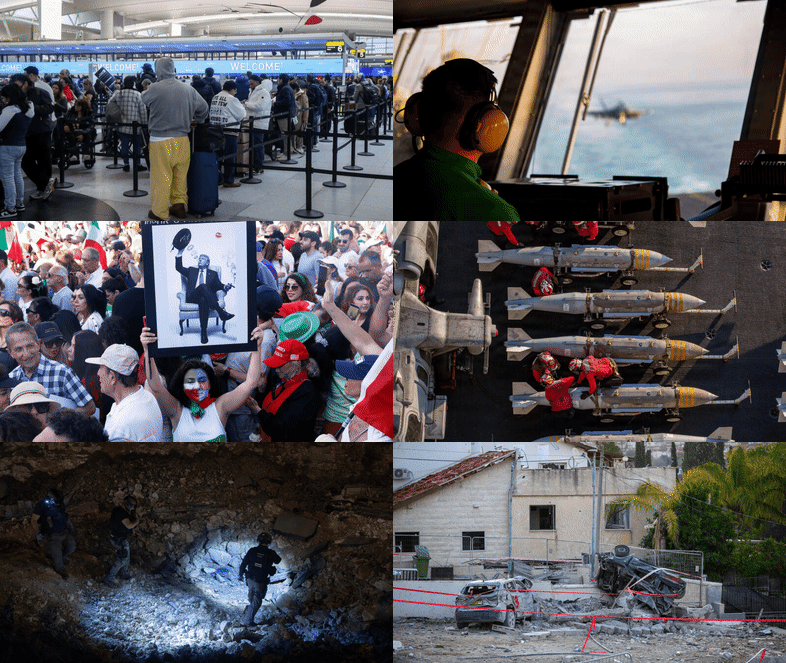
When a bunker-buster hits a target in an urban center, it doesn't just destroy a room. It creates a localized earthquake. The shockwave travels through the bedrock, liquefying the soil and causing structures three blocks away to weep dust from their ceilings. Parents in Beirut have developed a grim expertise in the acoustics of war. They can tell you the difference between the whistle of a drone and the roar of a jet. They can tell you, by the weight of the explosion, whether they need to hide under a table or if the table itself will soon be buried under ten stories of rebar.
There is a specific, haunting quiet that follows these strikes. It is the sound of a city holding its breath, waiting for the secondary explosions—the "double tap" that catches the rescuers and the curious. In this environment, the "invisible stakes" aren't political ideologies. They are the simple, terrifying variables of daily life: Which road is still paved? Is there enough diesel for the generator to keep the fridge running? Will the school be a classroom or a morgue by sunset?
The Language of Surrender
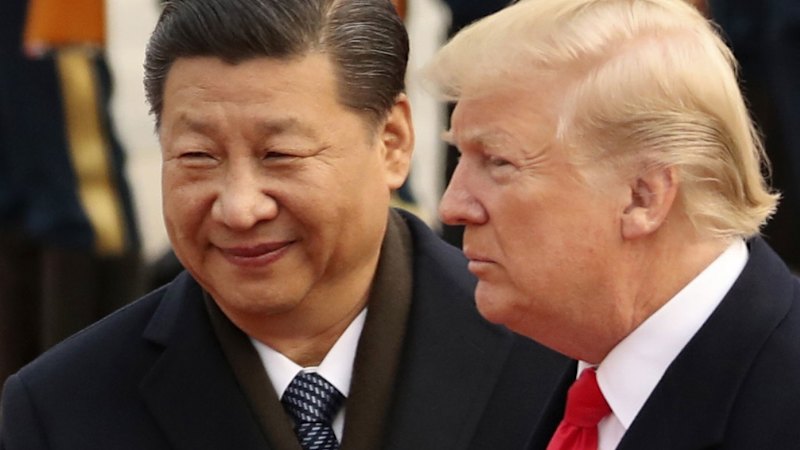
In the midst of this physical destruction, the rhetoric from Washington has taken on an apocalyptic tone. Donald Trump’s recent declaration—that the Iranian military must "surrender or face certain death"—is not just campaign bluster. It represents a total abandonment of the diplomatic "off-ramp."
When one side tells the other that their only options are total capitulation or extinction, the incentive for restraint vanishes. Military commanders in Tehran, who might have previously argued for a measured response to avoid a full-scale American intervention, are now backed into a corner of their own making. If "certain death" is the only alternative to surrender, then the logical move, in their brutal calculus, is to inflict as much damage as possible before the end.
This is the trap of zero-sum language. It turns a geopolitical chess match into a suicide pact.
The Ripple Effect on the Global Soul
We often look at these events through the lens of oil prices or shipping lanes. We talk about the Suez Canal and the price of a barrel of crude. But the real cost is the erosion of the global sense of permanence. We are watching the dismantling of the post-WWII order in real-time, replaced by a chaotic, multi-polar brawl where a strike in one country triggers a response in a third country, mediated by a fourth power.
Consider the psychological weight on a family in London or New York watching the news. There is a creeping realization that the world is no longer a collection of separate rooms. It is one large, interconnected hall filled with dry tinder. A spark in a suburb of Beirut now has the power to pull a British base into the fray, which in turn demands a response from a former American president, which in turn forces a move from a supreme leader in Iran.
The "human element" is the collective anxiety of eight billion people watching the guardrails fail.
The Mechanics of the Abyss
Why does it feel different this time? It is the sheer density of the hardware involved.
$F_{impact} = \frac{\Delta p}{\Delta t}$
In the physics of warfare, the force of an impact is determined by how quickly momentum changes. In the physics of history, we are seeing a massive amount of political momentum being stopped instantly by the hard wall of military action. There is no time for the "$\Delta t$"—the time interval—to cushion the blow. The transitions are instantaneous. One moment, there is a ceasefire negotiation; the next, the Mediterranean is lit by the exhaust of a ballistic missile.
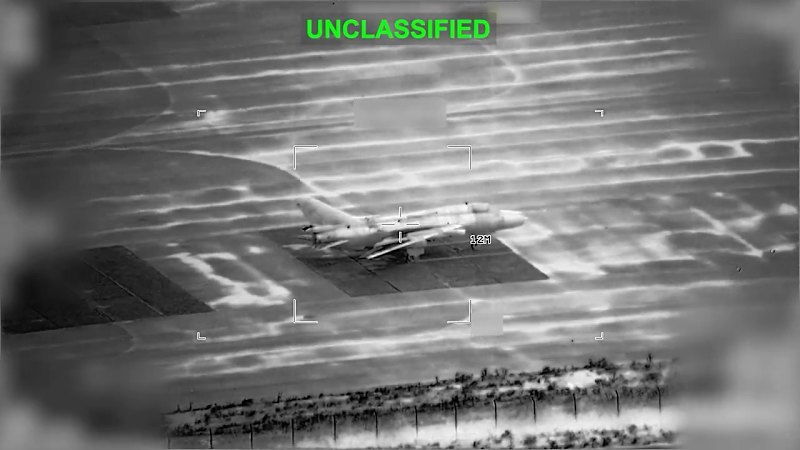
The complexity of the interceptor systems—the Iron Dome, the David’s Sling, the Aegis systems on destroyers—adds a layer of technological surrealism. We are witnessing a war of algorithms. Computers are making decisions about which incoming streaks of light represent a threat to a population center and which are decoys. Humans have effectively outsourced the "eye for an eye" philosophy to silicon chips that calculate trajectories in microseconds.
The Silent Witnesses
There are no winners in a landscape where the primary export is rubble. In the villages of southern Lebanon, the olive groves that have stood for centuries are being scorched. These trees are not combatants, yet they are part of the collateral. Their destruction represents a loss of heritage that no treaty can restore.
In Iran, the civilian population lives in a state of suspended animation. They are caught between a government that views them as chess pieces and an international community that views them as targets. The young woman in Tehran, who wants nothing more than to study art and scroll through her phone, is now a resident of a "rogue state" marked for "certain death" by a man across the ocean. Her life is the "invisible stake."
The Mediterranean Horizon
As the sun sets over the Mediterranean today, the water looks deceptively calm. It is the same blue that has inspired poets for millennia. But just beneath the horizon, the steel hulls of carrier strike groups are slicing through the waves. In the belly of those ships, and in the silos buried deep in the Iranian plateau, the machinery of the end-game is humming.
We are living in the space between the flash and the sound of the explosion. It is a thin, precarious moment where the world still looks familiar, but the air feels charged with a static that won't go away. The "updates" will continue to roll in—strikes, counters, threats, and casualties. But the story isn't in the numbers. It is in the eyes of a child in a Beirut basement, looking at the ceiling, wondering if the weight of the world is about to come down.
The lights of the British base on Cyprus continue to flicker, a tiny dot of Western presence in a sea that is increasingly becoming a graveyard for the idea of peace. We are no longer waiting for the war to begin. We are simply waiting to see how much of the world it intends to consume before the fire burns itself out.
Somewhere, a radar screen blips. A finger hovers over a button. The violet sky waits for the next magnesium white tear to rip through the dark.