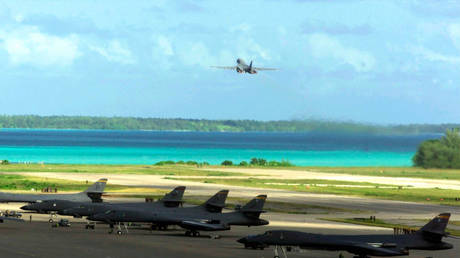
The era of cheap energy just hit a massive naval wall. If you’ve looked at the ticker today, you saw Brent crude punch through the $100 mark with aggressive momentum. This isn’t just another market wobble or a reaction to a vague threat. It’s the direct result of the U.S. moving from sanctions to a physical, "quick and brutal" naval blockade of Iranian ports.
For months, the Strait of Hormuz has been a pressure cooker. But today, the heat reached a breaking point. When President Trump announced that ships approaching the blockade would be "eliminated," the maritime insurance industry basically hit the eject button. You don't sail a $100 million tanker into a zone where "kill systems" are the primary enforcement tool. Recently making news in this space: Why Trump’s Feud With Pope Leo XIV Is a Risky Bet for 2026.
The Reality of the Blockade on the Water
Let’s be clear about what’s actually happening in the Persian Gulf right now. This isn't a total shutdown of the Strait of Hormuz—not yet. The U.S. Navy is specifically targeting Iranian-linked vessels and any ship that pays a "toll" to Tehran for passage. However, in the world of global shipping, "specific targeting" still creates massive collateral damage.
Before this conflict escalated in late February, about 100 to 135 vessels moved through the Strait every day. Today? That number has cratered to roughly 10 ships per day. Even if your ship isn't Iranian, the risk of being caught in the crossfire or being misidentified by satellite-spoofing and GNSS jamming is too high for most operators. Further insights into this topic are detailed by USA Today.
- Insurance rates are up 400% to 500% in a single week.
- Vessel traffic has dropped by 70% since the blockade was formalized.
- Force majeure is being declared by major exporters like QatarEnergy because they simply can't guarantee delivery.
Why $100 Oil is Just the Starting Line
If you think $100 oil is expensive, you’re looking in the rearview mirror. Analysts at Goldman Sachs and JP Morgan are already whispering about **$120 or even $150** if this blockade lasts through the summer. The Strait of Hormuz handles about 21 million barrels of oil daily. That’s roughly 20% of global consumption. You can’t just "reroute" that volume overnight.
The East-West Pipeline through Saudi Arabia is an option, but it’s already hitting capacity limits. Plus, recent drone strikes on regional infrastructure have proven that land routes aren't the safe havens we once thought they were. We’re looking at the largest disruption to global energy supply since the 1970s.
It’s not just the oil, either. Iran is a massive producer of agricultural products. Pistachio prices just hit an eight-year high of $4.57 a pound. Why? Because the supply chain is paralyzed. When you mess with the world’s most sensitive maritime chokepoint, everything from your morning coffee (pistachio lattes are a thing now) to the fuel in your tank gets a "conflict tax."
The China Angle and the Mediation Game
Why take such a massive risk now? It’s a high-stakes squeeze on Beijing. China is the primary customer for Iranian oil. By physically blocking these shipments, the U.S. is effectively forcing China’s hand. The goal is to make the cost of Iranian oil so high—and the supply so unreliable—that Beijing has to step in and force Tehran back to the negotiating table.
It’s a dangerous game of chicken. Iran has already threatened to lay mines throughout the Persian Gulf in response. If that happens, the "partial blockade" becomes a total blackout. At that point, the price of oil doesn't just rise; it breaks the global economy.
Logistics of a Modern Blockade
This isn't your grandfather’s naval blockade with rows of wooden ships. It’s a high-tech nightmare for merchant sailors.
- Satellite Spoofing: Ships are reporting that their GPS shows them miles away from their actual location, making navigation through narrow channels a gamble.
- Kinetic Enforcement: The threat to "eliminate" vessels isn't hyperbole. The U.S. is using the same interdiction systems deployed against narco-subs.
- Escort Missions: France and India are already discussing sending their own navies to protect their tankers. When you have four or five different navies operating in the same 21-mile wide strip of water, the chance of a "mistake" is astronomical.
What You Should Do Right Now
If you're a business owner or an investor, don't wait for the "all clear" signal. It isn't coming anytime soon. The ceasefire talks in Pakistan failed for a reason: neither side is ready to blink.
Watch the "War Risk" Premiums
Keep an eye on maritime insurance data. When Lloyd's of London starts expanding the "excluded zones," that’s your signal that the situation is deteriorating further. If these premiums don't settle within the next 48 hours, $100 oil will be the floor for the rest of 2026.
Diversify Your Energy Exposure
If your operations are sensitive to fuel costs, start hedging now. The Biden-era Strategic Petroleum Reserve releases are a memory; we’re in a different policy environment now where "fend for yourself" is the unofficial motto for countries struggling with fuel costs.
Anticipate Supply Chain Lag
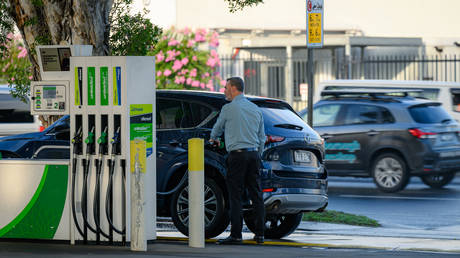
Remember that a shipping delay in Hormuz takes two to three months to fully hit the consumer market in the U.S. and Europe. The price spike at the pump today is just the "anticipation tax." The actual physical shortage hasn't even arrived at your local station yet. Prepare for a very expensive summer.
The blockade started at 10:00 a.m. today. The world changed at 10:01. Stop waiting for a return to "normal" and start planning for a sustained period of triple-digit oil and maritime chaos.