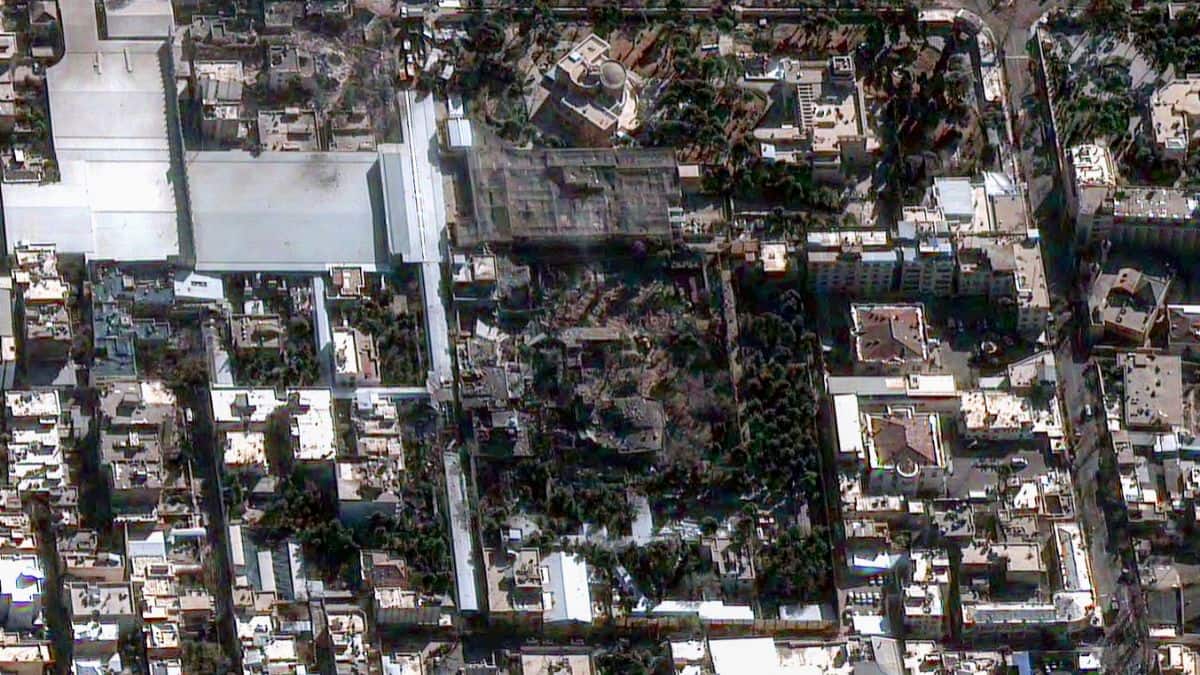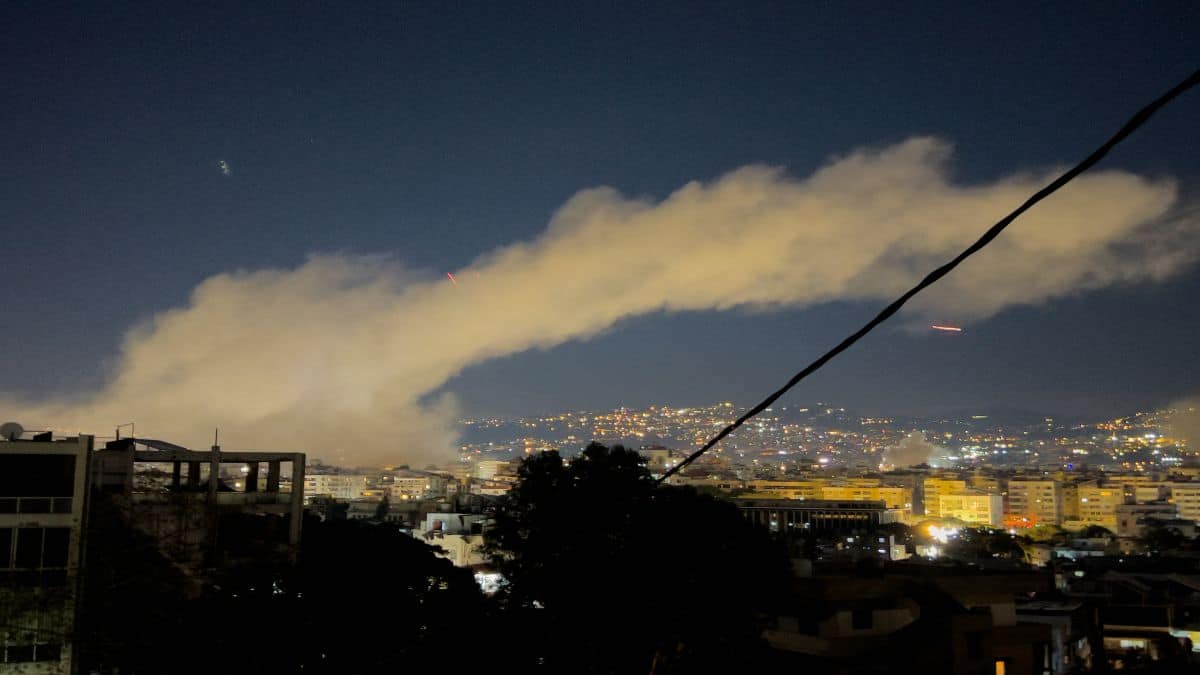
The sirens in Haifa weren't just a drill this time. When Hezbollah launched a barrage of precision missiles and a swarm of drones at the Mishmar al-Karmel defense facility early Monday, it wasn't just another border skirmish. It was the moment the 2024 ceasefire officially died. By the time the sun rose over Beirut, the Israeli Air Force had already turned the southern suburbs into a landscape of smoke and twisted metal.
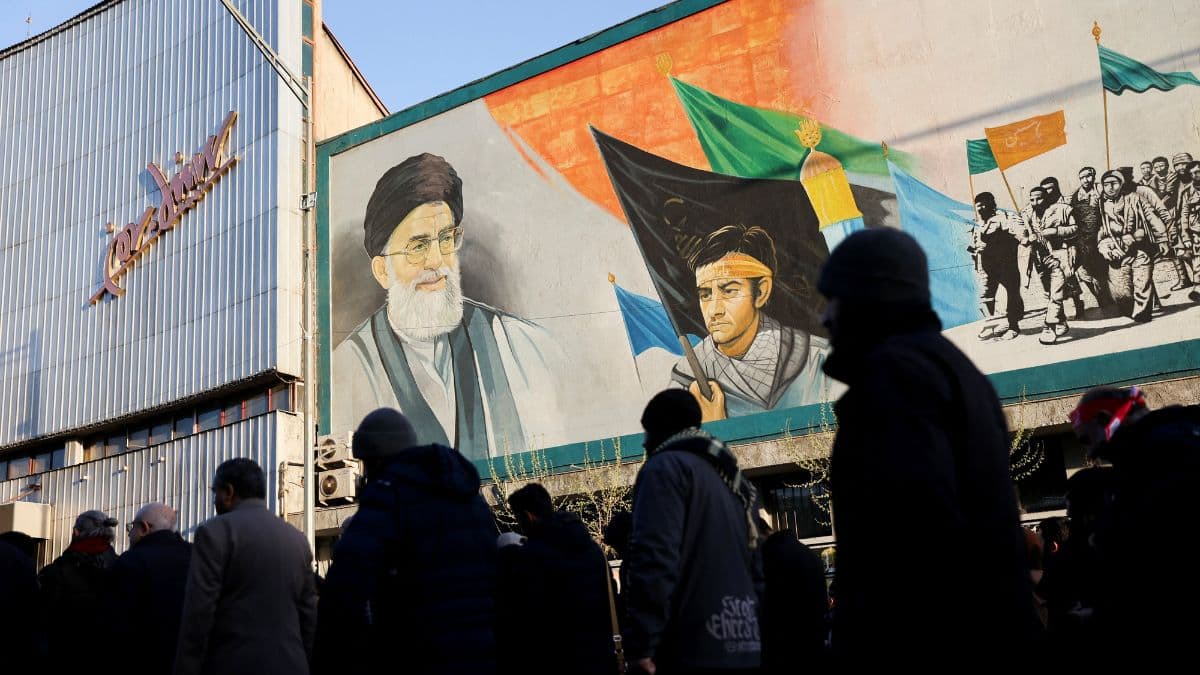
If you've been following the sudden eruption of the "Second Iran War" over the last 48 hours, you know the stakes. Israel and the U.S. began a massive campaign against Iran on February 28, 2024, reportedly killing Supreme Leader Ali Khamenei. Everyone wondered if Hezbollah would stay on the sidelines like they did during the brief June 2025 friction. They didn't. They jumped in, and now Lebanon is paying the price for a war it didn't choose.
The Haifa Strike and the End of Restraint
Hezbollah's choice to target a missile defense site south of Haifa wasn't accidental. They're trying to blind the very systems that protect northern Israel from the next wave of Iranian ballistic missiles. While the IDF claims most of the projectiles fell in open areas or were intercepted, the intent was clear: revenge.
The group's new leader, Naim Qassem, basically threw the 2024 U.S.-brokered ceasefire in the trash. He called it a "duty" to confront the aggression after Khamenei's death. It's a gamble that ignores the plea from Lebanese Prime Minister Nawaf Salam to keep the country out of the line of fire.
The Lebanese government is in a state of panic. Just this morning, Salam announced a total ban on all Hezbollah military activities. He's demanding they hand over their weapons and stick to politics. Honestly, anyone who knows Lebanese history knows that's a tall order. The state has been trying to do this for decades. Now, with Israeli jets overhead and 31 people already dead in the first wave of strikes, the pressure on Hezbollah's leadership is higher than ever.
Casualties and Displacement in the First 24 Hours
The Lebanese Health Ministry's numbers are grim. At least 31 people are confirmed killed, with 149 more injured in the strikes that targeted Beirut's southern Dahiyeh suburb and various villages in the south.
What's happening on the ground is a mass exodus. Traffic is at a standstill as families flee toward Sidon or seek shelter in Beirut's schools. We're seeing more than 50 villages under evacuation orders. The IDF is being blunt: if you're within a kilometer of a Hezbollah facility, you're in danger.
The Israel IDF Offensive Strategy
IDF Chief of Staff Lt. Gen. Eyal Zamir didn't mince words today. He's framing this as an "offensive campaign" that will likely last several days, if not weeks. The first wave of strikes on the Dahiyeh suburb targeted the head of Hezbollah's intelligence, Hussein Makled. Reports say he was killed in the early hours of Monday morning along with several other senior officers.
- Targeted decapitation: Taking out the command structure before they can organize a sustained rocket campaign.
- Infrastructure destruction: Wiping out weapons depots in the Bekaa Valley and the south.
- Internal pressure: Making the cost of Hezbollah's involvement so high that the Lebanese state is forced to act.
The IDF isn't just playing defense anymore. They're using the massive U.S.-Israeli campaign against Iran as an umbrella to settle old scores with Hezbollah. This isn't the 12-day war of 2025. This looks much more like a total regional reset.
Is Hezbollah Actually Deterred?
Don't buy the idea that Hezbollah is already beaten. While they've been "significantly degraded" by the 2023–2025 conflicts, they still have an arsenal of thousands of rockets and precision drones. Their strike on Haifa was a message: they can still reach deep into Israel's industrial heartland.
Israel's Home Front Command has extended defensive guidelines until March 7, 2026. This means no school, no non-essential work, and no large gatherings in the north. People are living in bomb shelters again. The psychological toll is just as heavy as the physical damage.
What This Means for the 2026 Iran War
You've got to look at the bigger picture. This isn't just a Lebanon-Israel problem. It's a cog in a massive geopolitical machine that started on February 28 when the U.S. and Israel launched strikes to force regime change in Tehran.
With Iran's Supreme Leader dead and the Strait of Hormuz effectively closed, the "Axis of Resistance" is at a breaking point. Hezbollah is the last major proxy standing that can really hurt Israel. If they go all-in, this conflict doesn't end in two weeks. It could become the defining war of the decade.
The economic fallout is already hitting. Oil prices jumped 8% this morning. If you're wondering why your gas prices are spiking or why the markets are a mess, look no further than the smoke rising over Beirut and the drone alarms in Haifa.
How to Prepare for the Next Escalation
If you have family or interests in the region, the next 48 to 72 hours are critical. The IDF is expected to launch a second wave of "deep strikes" into the Bekaa Valley.
- Monitor evacuation orders: The list of villages is expanding. Don't wait until the last minute if you're in a high-risk zone.
- Stock up on essentials: If you're in northern Israel, the Home Front Command isn't kidding about the March 7 timeline. Have water, dry food, and batteries ready.
- Check for official government updates: Lebanon's NNA and Israel's Home Front Command are the most reliable sources for immediate safety info.
The 2024 ceasefire is a memory. The region is entering a period of unprecedented volatility where the old rules simply don't apply anymore. Don't get caught off guard as the offensive campaign intensifies. Stay informed, stay safe, and prepare for a long week.