The death of Iran’s Supreme Leader, Ayatollah Ali Khamenei, is a massive shift in global power. On February 28, 2026, a joint US-Israeli military operation targeted and killed the 86-year-old leader at his compound in Tehran. This isn’t just a headline; it’s a direct strike that has sent shockwaves through the Middle East, South Asia, and beyond.
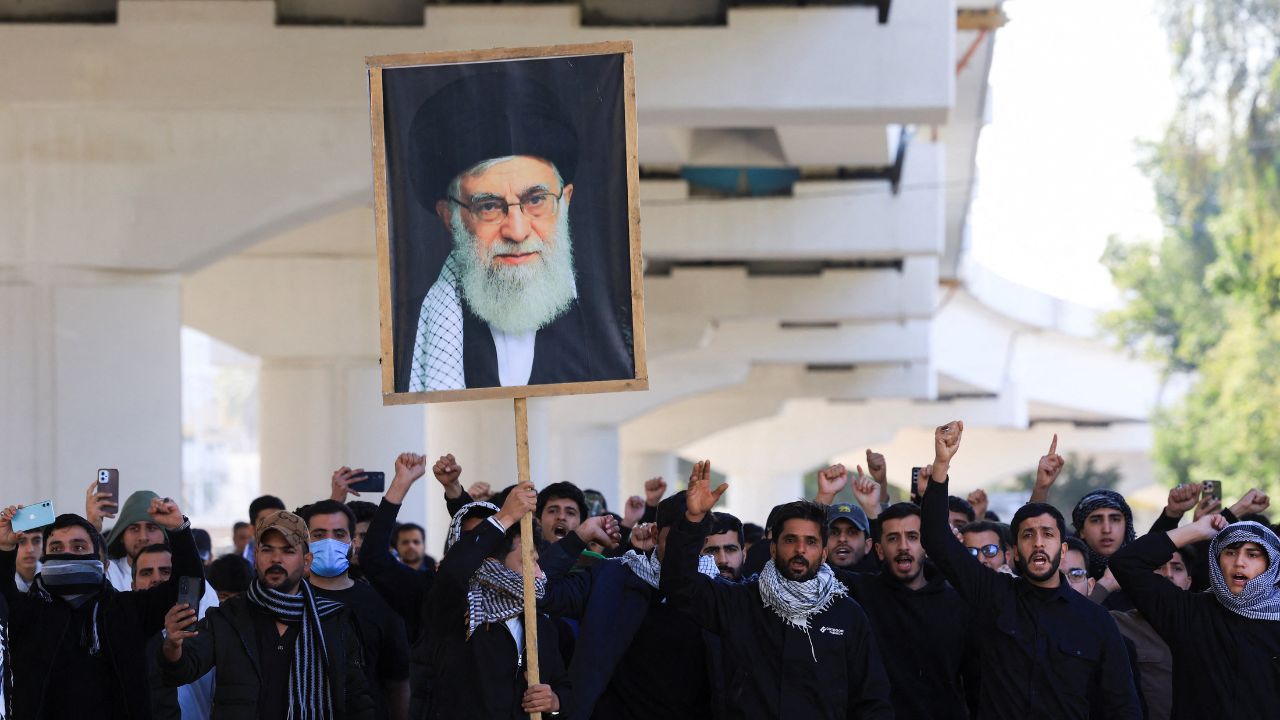
If you’re wondering why people in places like Pakistan, Iraq, and India are taking to the streets, you need to understand the role Khamenei held. For many across the Shiite Muslim world, he was far more than a politician. He was a spiritual figurehead who anchored the "Axis of Resistance." His death is being mourned as a martyrdom, and that emotional connection is fueling the anger you see on the news today.
Why Protests Turned Violent
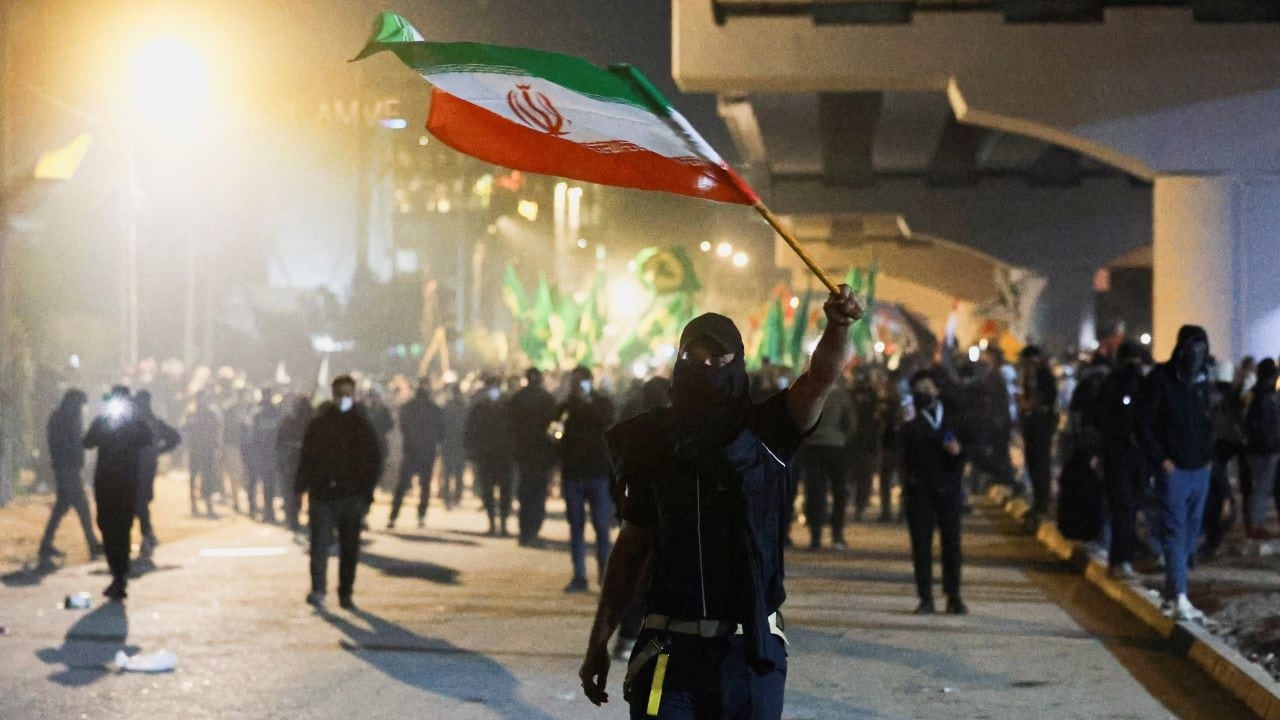
The reaction in South Asia and Iraq wasn't just peaceful mourning. In Karachi, Pakistan, at least 23 people were reported dead after clashes between security forces and protesters who attempted to storm the US consulate. Buildings were burned. Tear gas filled the air. In Baghdad, crowds swarmed the Green Zone, aiming for the US embassy.
Why such intense volatility? The protesters viewed the US and Israel not just as military adversaries of a government, but as active enemies of their religious identity. When a figure of Khamenei's stature is taken out, it strikes a deep, personal nerve. It’s an attack on their sense of belonging and their political defiance against Western influence.
In Indian-administered Kashmir, the mood was equally heavy. Srinagar saw large gatherings where participants chanted anti-US and anti-Israel slogans. It’s a clear message: the impact of this operation transcends borders. It has activated networks of solidarity that are deeply embedded in local communities across South Asia.
The Strategic Aftermath
Washington and Tel Aviv framed this as a bold move for regime change. The goal was to decapitate the Iranian leadership and weaken its regional reach. But looking at the ground level, there’s a massive risk that the strategy backfired.
By killing Khamenei, the joint US-Israeli operation may have inadvertently cemented his legacy. He’s no longer just an aging leader facing internal dissent; he’s now a martyr. Martyrs are powerful. They can rally support in ways living leaders often fail to do.
Beyond the protest optics, here’s what you need to track:
- Internal Transition: Iran quickly activated a three-person leadership council. The regime is clearly trying to project stability to avoid a total collapse.
- Retaliation: The region is already seeing kinetic responses. Tehran has launched missiles and drone strikes targeting economic hubs and military bases in the Persian Gulf.
- Security Voids: With senior security and military officials killed alongside the Supreme Leader, Iran is in a state of high uncertainty.
Misconceptions About the Region
Many observers expected the Iranian populace to celebrate in the streets immediately. While some Iranians did express relief, the reality is far more complex. The regime is horizontally layered and deeply institutionalized. Eliminating one person—even the top leader—doesn't automatically dismantle the entire security apparatus.
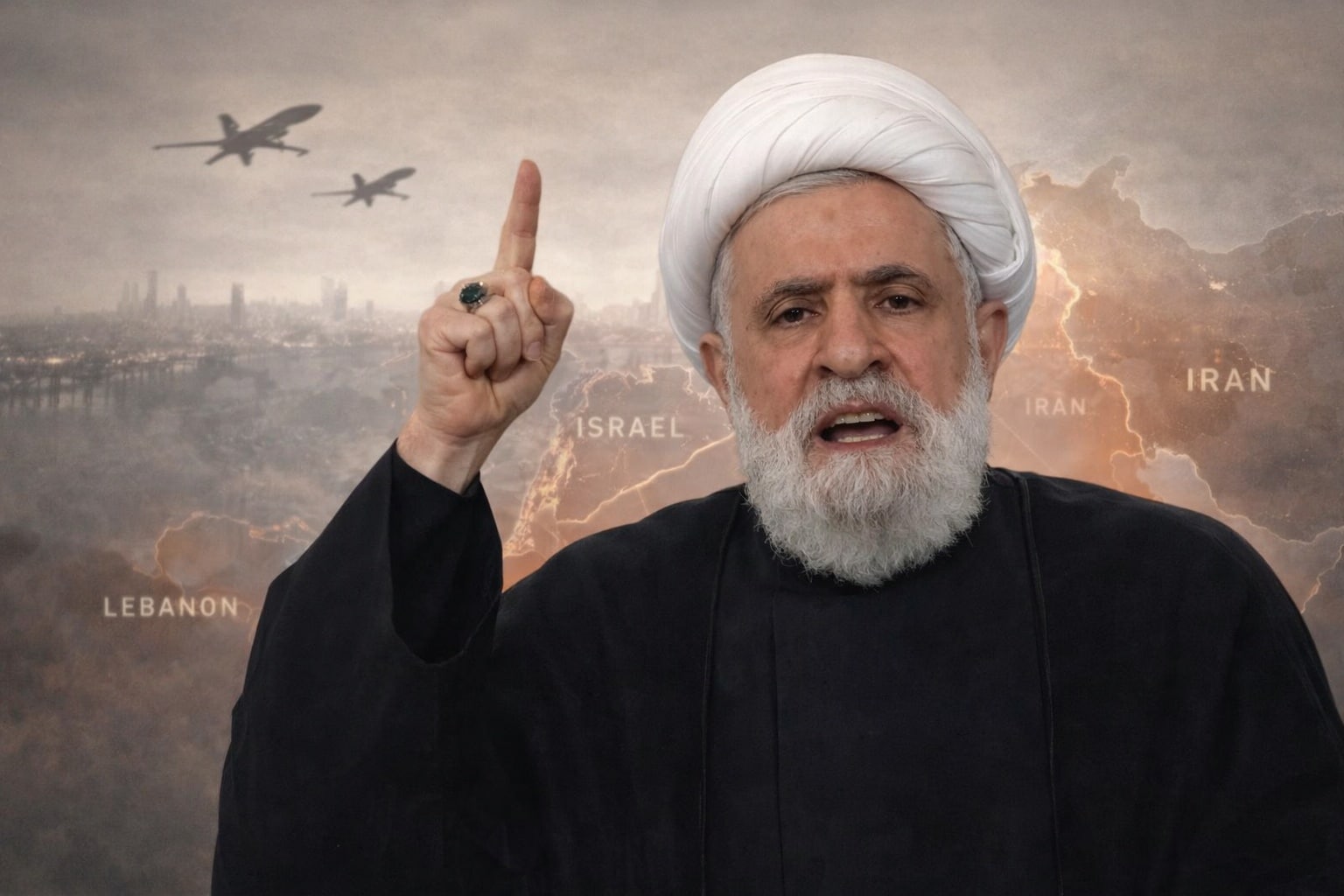
Don't mistake the current chaos for an immediate end to the Islamic Republic. The regime has spent decades preparing for this exact scenario. Their swift move to form a leadership council proves they have a contingency plan. The real danger lies in the unpredictable nature of the proxy groups. From Hezbollah in Lebanon to militias in Iraq, these groups see this assassination as a red line. They are now operating without the direct guidance of the person who built their networks, which makes them harder to read and even more prone to impulsive, high-risk military actions.
If you are following this situation, keep an eye on how the interim council handles the internal purges. They are currently hunting for the "infiltrators" who provided the intelligence for the strike. This internal pressure, combined with external military threats, creates a powder keg.
If you want to understand the trajectory of this conflict, stop looking for a quick resolution. This is now a protracted war of attrition. The focus should be on whether regional actors can exert any influence to de-escalate before the situation crosses the threshold into a full-blown, systemic collapse of regional security. Track the movements of the interim leadership and look for signals from Gulf states regarding their own airspace and military posture, as these will be your primary indicators of whether the conflict is cooling down or heating up further.