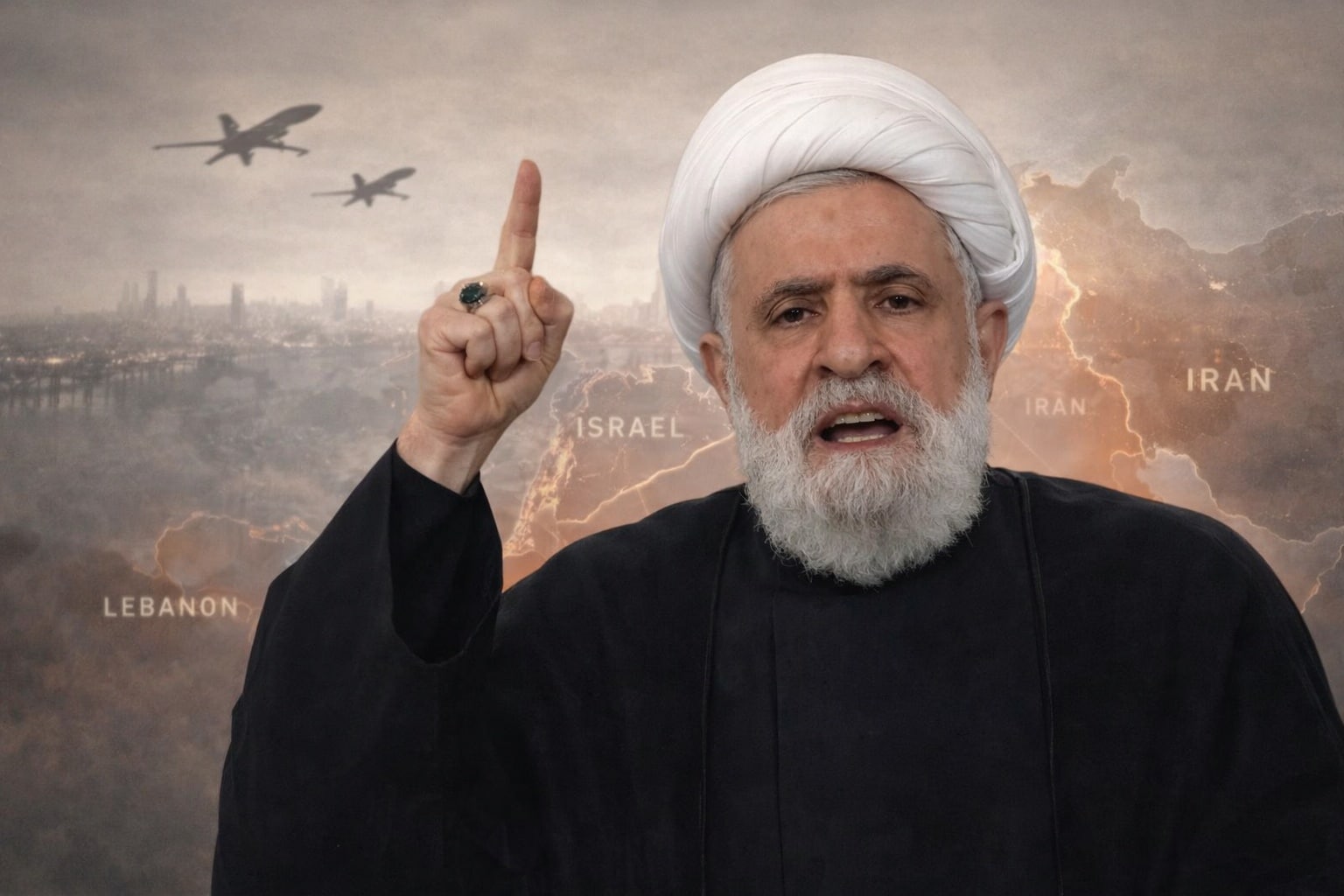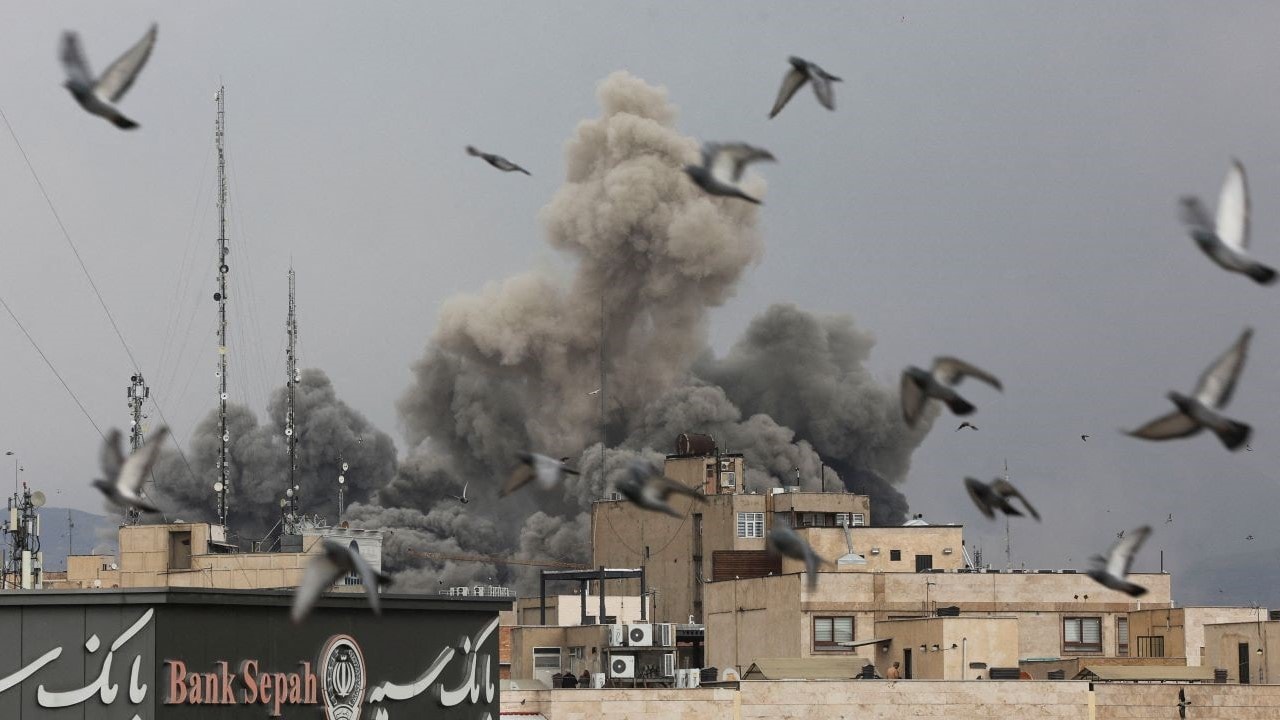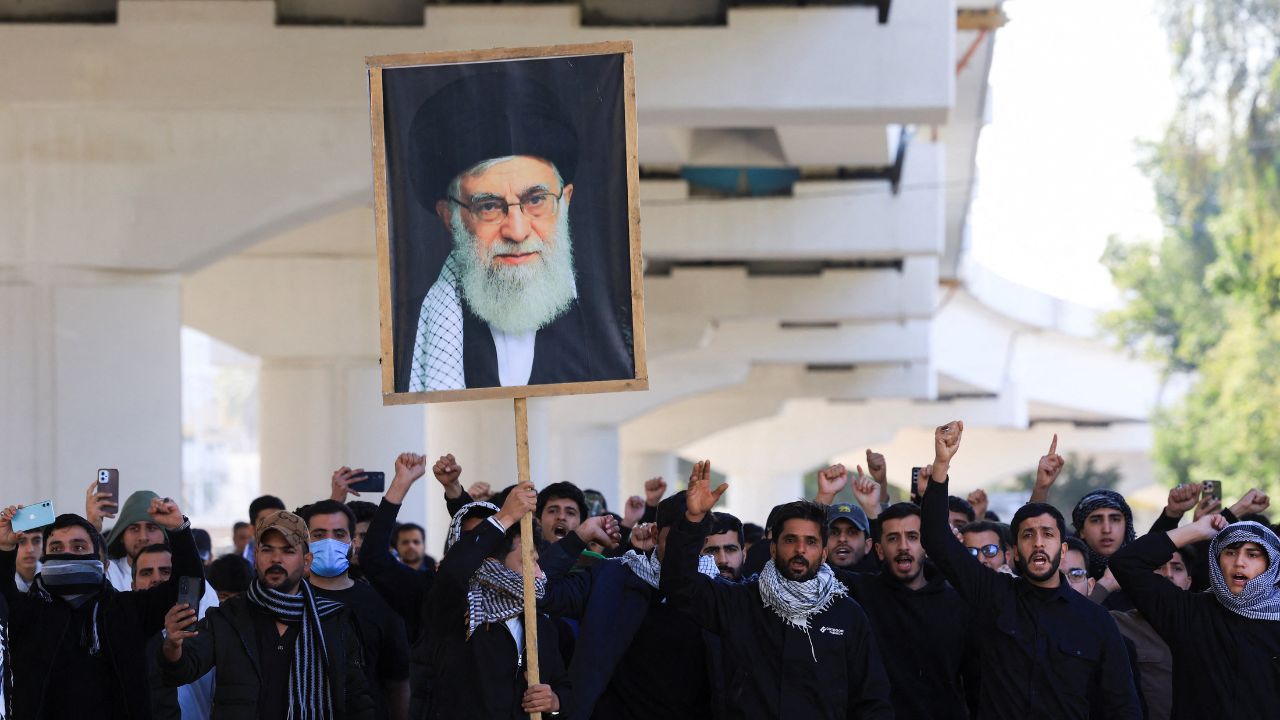
The recent partial strike observed in the Chenab Valley following the death of Iranian leader Hassan Nasrallah is not merely a spontaneous emotional reaction; it is a calculated demonstration of ideological signaling and socio-political alignment within a volatile geographic corridor. To understand the efficacy of such a strike, one must deconstruct the interplay between religious affinity, localized political grievance, and the logistics of civil non-cooperation. This analysis identifies the operational thresholds that determine why certain districts within Jammu and Kashmir—specifically Doda, Kishtwar, and Ramban—respond to external geopolitical stimuli while others maintain economic status quo.
The Triple Constraint of Political Mobilization
The success or failure of a "shutter-down" strike (Bandh) in the Chenab Valley relies on three distinct pillars of influence. When one pillar is weak, the strike remains "partial," as observed in this instance.
- Ideological Proximity: The strike was a direct response to the killing of a high-ranking foreign religious and political figure. The intensity of the mobilization is directly proportional to the perceived spiritual or sectarian bond between the local populace and the deceased. In the Chenab Valley, this bond is non-uniform, leading to fragmented participation.
- Economic Risk Tolerance: Small-scale traders and daily wage earners calculate the cost of a lost day of revenue against the social cost of non-compliance with the strike call. In rural hubs like Bhaderwah or Banihal, where communal ties are tight, the social cost of defiance is high, forcing closure. In more urbanized or heterogeneous pockets, the economic imperative often overrides the political call.
- Security Deterrence Architecture: The presence of state administrative machinery acts as a counter-pressure. When the state provides an environment of "forced normalcy" through increased patrolling, it lowers the "cost of opening" for shopkeepers who might otherwise fear reprisal from strike enforcers.
Mapping the Spatial Distribution of Non-Cooperation
The "partial" nature of the strike suggests a breakdown in the transmission of the protest signal across different altitudes and demographics. The Chenab Valley is not a monolithic political entity.
The Ramban-Banihal Bottleneck
In the Banihal region, the strike often reaches its highest saturation. This is a function of its position as a transit hub. When the local market closes, the entire logistics chain of the Jammu-Srinagar National Highway (NH44) experiences a friction point. The strike here serves as a high-leverage tool; by closing a small geographic area, the symbolic impact is magnified across the entire UT of Jammu and Kashmir.
The Doda-Kishtwar Variance
In Doda and Kishtwar, the strike was observed primarily in specific neighborhoods. This granular fragmentation indicates that the "call" for a strike was filtered through local clerical leadership rather than a unified political command. Where the local Imam or community head endorsed the protest, the shutdown was absolute. Where such leadership remained silent or neutral, commerce continued. This highlights a shift from broad-based political movements to localized, faith-based mobilizations.
The Cost Function of Symbolic Protest
Every day of a strike in the Chenab Valley extracts a measurable economic toll on the regional Gross Domestic Product (GDP). However, the participants view this not as a loss, but as an investment in "political capital."
- Primary Sector Impact: Agriculture and horticulture, the backbone of the Chenab economy, are largely immune to shutter-down strikes, as labor continues in the fields.
- Secondary Sector Friction: Construction projects, particularly the massive hydroelectric projects (Kiru, Kwar, Pakal Dul), face minor labor absenteeism but generally maintain operations under high-security cordons.
- Tertiary Sector Collapse: The retail and transport sectors bear 90% of the strike’s weight. For a shopkeeper in Kishtwar, a one-day strike represents a 3.3% reduction in monthly revenue.
The persistence of the strike despite these costs suggests that the "Utility of Expression" (the psychological and social benefit of participating in a collective identity) exceeds the "Marginal Cost of Revenue."
Information Asymmetry and the Role of Digital Platforms
The speed at which the strike was organized points to a sophisticated use of encrypted messaging and social media. Unlike historical strikes that required physical leafleting, contemporary "calls" are disseminated via WhatsApp and Telegram groups within minutes. This creates a "flash-mob" effect in the commercial sectors.
The administrative challenge lies in the "asymmetric information gap." The state often learns of the strike intent at the same time as the general public, leaving a narrow window for preemptive mediation. The partial nature of this specific strike indicates that while the digital signal was broad, the physical enforcement mechanism was either absent or deterred by the proactive deployment of security forces.
The Friction of Enforced Normalcy
When the state intervenes to prevent a strike, it creates a "pressure cooker" dynamic.
- Tactical Opening: Shopkeepers may open their shutters halfway—a physical manifestation of hedging their bets between state authority and local sentiment.
- The "Post-Noon" Decay: Many partial strikes in this region follow a decay curve, where markets are shut in the morning as a sign of respect/protest, but gradually reopen as the "symbolic duty" is deemed fulfilled and economic necessity takes over.
This specific event showed a high decay rate. By the afternoon, several pockets reported a return to standard commercial activity, suggesting that the strike lacked the "political infrastructure" required for a multi-day or total shutdown.
Regional Geopolitics and Localized Sentiment
The death of a leader in Beirut triggering a strike in the mountains of Jammu and Kashmir underscores the "Transnational Identity Loop." For the youth in the Chenab Valley, participation in such strikes is a way to bridge the gap between their localized, often isolated existence and the broader global narrative of their faith.
However, the "partial" status is a critical indicator for policy analysts. it suggests a "participation fatigue." The residents of the Chenab Valley are increasingly wary of the long-term economic scarring caused by frequent disruptions. The divergence between the "hardliners" calling for a total shutdown and the "pragmatists" who opened their businesses indicates a growing internal debate over the utility of the strike as a political weapon.
The structural integrity of the Chenab Valley’s socio-political fabric is currently defined by this tension. The state must recognize that "normalcy" is not just the absence of a strike, but the presence of an economic alternative that makes the cost of striking prohibitively high. Conversely, the organizers of such strikes must contend with the reality that their leverage is diminishing as the populace prioritizes economic stability over symbolic gestures of foreign solidarity.
The strategic imperative for regional stability now hinges on infrastructure integration. As the Udhampur-Srinagar-Baramulla Rail Link (USBRL) and the expansion of the national highways continue, the physical isolation that once allowed strikes to take hold is dissolving. Increased connectivity raises the opportunity cost of disruption. In future cycles, we can expect the geographic footprint of such strikes to shrink further, retreating from transit corridors into isolated demographic enclaves, effectively ending the era of the "Regional Bandh" and replacing it with localized "Sectarian Observances."
The final strategic move for the administration is the institutionalization of grievance redressal. By providing formal channels for the expression of political or religious sentiment—such as designated protest zones or televised forums—the state can decouple the "need for expression" from the "destruction of commerce." If the "shutter-down" remains the only viable way to signal collective feeling, it will persist as a latent threat to the regional economy. Moving the signal from the marketplace to the forum is the only way to neutralize the economic weaponization of mourning.
Would you like me to conduct a comparative analysis of strike patterns between the Kashmir Valley and the Chenab Valley to identify common socioeconomic drivers?