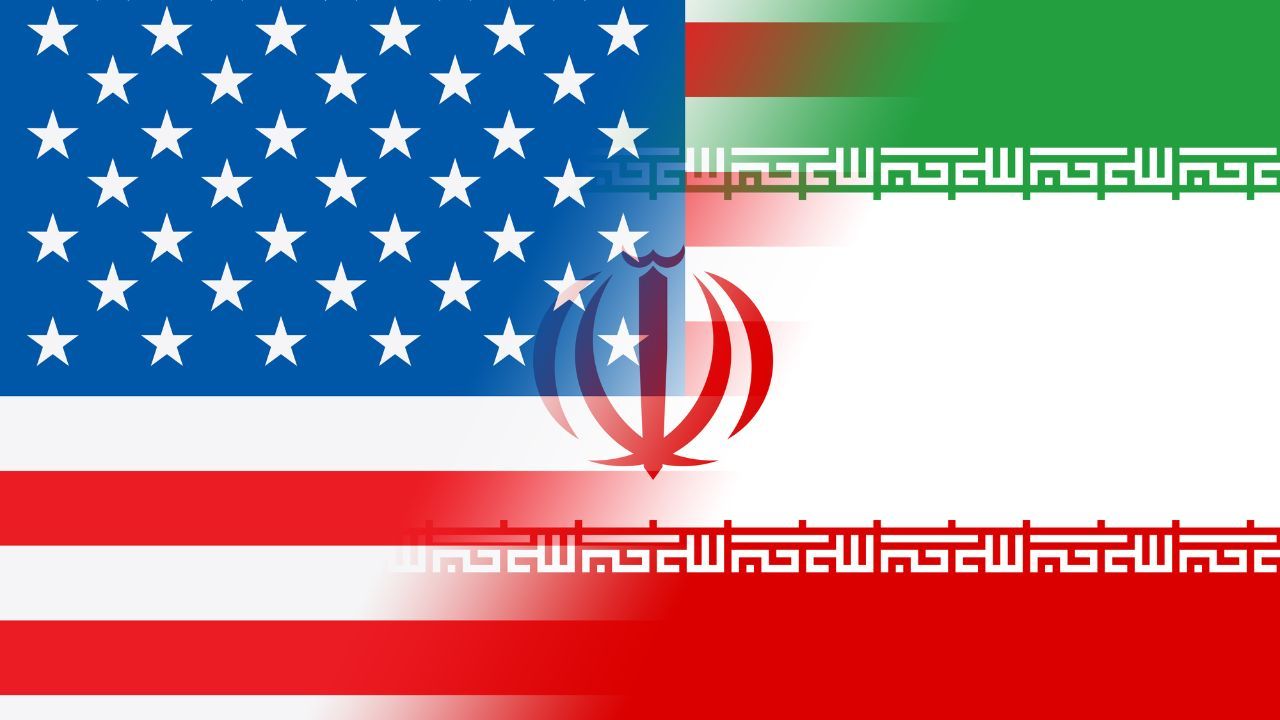
Don't let the headlines about a "10-day ceasefire" fool you into thinking the regional fire has been put out. While the White House is busy spinning a temporary pause as a diplomatic masterstroke, the ground reality in South Lebanon and the Persian Gulf tells a much darker story. We aren't looking at the end of a war. We're looking at a tactical reset for an even larger confrontation.
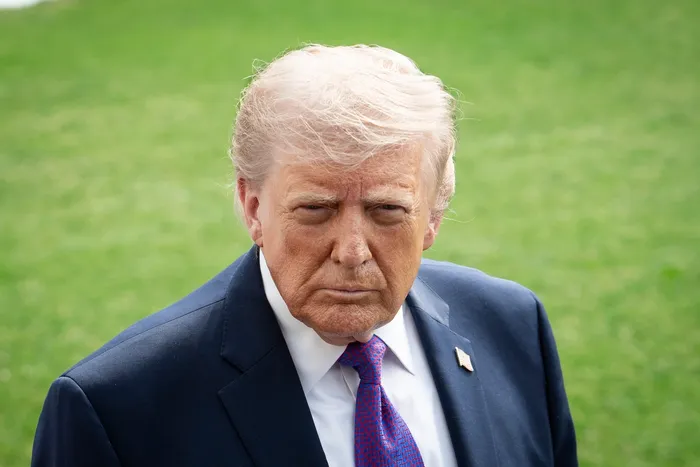
The announcements on April 16, 2026, are a mess of contradictions. On one hand, you've got President Trump announcing a truce from Mar-a-Lago; on the other, you have Israeli tanks turning everything south of the Litani River into a scorched-earth "kill zone." If you're trying to make sense of why the world feels like it's on a knife-edge, it's because the traditional rules of Middle Eastern proxy wars just got tossed into the Mediterranean.
The Litani kill zone is a permanent border shift
When Israeli Chief of Staff Eyal Zamir stood with his troops this week and declared the area south of the Litani River a "Hezbollah kill zone," he wasn't just talking about a military objective. He was announcing a fundamental change in Lebanese geography. By declaring this a no-go zone, Israel is essentially saying they don't trust UN resolutions or international observers to keep the peace anymore. They’re taking matters into their own hands by making the land itself uninhabitable for their enemies.
It’s a brutal strategy. The destruction of the last bridge over the Litani isn't just a move to stop truckloads of rockets; it's a statement that South Lebanon is being severed from the rest of the country. For the thousands of displaced families, "ceasefire" is a hollow word when your hometown has been officially designated as a place where anything that moves is a target.
Why the US Iran ceasefire is built on sand
The 10-day pause in Lebanon is supposed to coincide with the ongoing two-week ceasefire between the US and Iran. But look at the fine print. While the missiles aren't flying (for now), the US naval blockade on Iranian ports is still in full effect. You can't expect a country to sit quietly while its economy is being suffocated by a ring of steel in the Strait of Hormuz.
The Biden-to-Trump transition dynamics have made this even more volatile. Trump is pushing for "unconditional surrender" and a total overhaul of the Iranian leadership, while mediators from Pakistan are frantically trying to secure a second round of talks before the April 22 deadline. It’s a game of chicken where the stakes are global energy prices and the stability of the world's food supply.
The University of Sharjah recently released data showing that this conflict has already pushed millions into poverty because of disrupted trade routes. This isn't just a regional spat. It's a global tax on being alive.
The Hezbollah dismantling dilemma
Benjamin Netanyahu made his stance clear today: he wants Hezbollah dismantled. Not moved back, not "degraded," but gone. That sounds great in a press release, but anyone who’s spent ten minutes studying the Levant knows Hezbollah is woven into the fabric of Lebanese society.
You don't just "dismantle" a group that has its own hospitals, schools, and a massive political wing. By making this a condition of the ceasefire, Israel is setting a bar that is virtually impossible to clear. It’s a "poison pill" clause. If Hezbollah doesn't vanish—and they won't—Israel has a pre-baked excuse to resume operations the second the 10-day clock runs out.
What's actually happening behind the scenes
While the politicians talk, the military movements tell the real story. Here's what you need to keep an eye on:
- The International Stabilization Force: Five countries—Albania, Indonesia, Kazakhstan, Kosovo, and Morocco—have pledged troops. But will they actually step into a "kill zone"? Unlikely.
- The Strait of Hormuz: Iran has threatened to sink US assets if the blockade isn't lifted. If one Iranian commander gets itchy fingers during this "ceasefire," the whole deal evaporates in seconds.
- Lebanese Sovereignty: President Joseph Aoun is in a corner. He wants a ceasefire, but he has no real power to disarm Hezbollah. He’s essentially a spectator in his own country's destruction.
The "ceasefire" starting at 5 p.m. Eastern time today is a breather, not a solution. It gives the US time to reposition assets and gives Israel time to solidify its hold on the territory it just cleared. Don't get comfortable.
If you’re watching the markets or the news, look past the "peace in our time" rhetoric. Watch the Litani River line. Watch the tankers in the Gulf. The real war is still very much on the table, and the next ten days are just a countdown to the next phase of the escalation. Keep your emergency kits packed and your eyes on the shipping lanes.