The United States has shifted its strategy from traditional economic sanctions to a direct, explicit threat against Iran’s physical survival. As a second round of high-stakes negotiations approaches, the Biden administration is no longer just talking about frozen bank accounts or oil embargoes. The new message sent to Tehran is far more visceral. If the Iranian leadership makes the "wrong decision" regarding its nuclear enrichment levels or its regional proxy involvement, the U.S. is prepared to facilitate the systematic dismantling of the country's power plants and shipping ports.
This isn't mere rhetoric. It is a calculated move to exploit the internal vulnerabilities of a regime already struggling with domestic unrest and a crumbling power grid. By putting a target on "electricity and ports," Washington is signaling that it understands the Iranian government’s greatest fear: a total domestic collapse triggered by the failure of basic services.
The Strategy of Kinetic Deterrence
For years, the West relied on the slow burn of financial isolation. It didn't work. Iran’s "resistance economy" found ways to shuffle oil through ghost fleets and dark pools of liquidity. Now, the approach has turned kinetic. The threat to destroy infrastructure is a shift toward "deterrence through denial of function."
If Iran cannot keep the lights on or move goods through its southern coast, the social contract between the state and its citizens evaporates. We are seeing a move away from trying to change the regime's mind and toward making the regime's physical existence tenable only through compliance. The U.S. military and its regional allies have already mapped the Iranian energy sector. This includes the massive gas refineries at South Pars and the shipping hubs at Bandar Abbas. These are not just economic assets; they are the central nervous system of the Iranian state.
Why Ports and Power Matter Most
The Iranian economy is top-heavy and reliant on a few critical nodes. Unlike a decentralized economy, Iran depends on a handful of major ports to receive refined fuel and food. Even though Iran is an oil giant, its domestic refining capacity has historically been a weak point.
- Bandar Abbas: This port handles the vast majority of Iran’s container traffic. Neutralizing it would effectively put the country under a medieval-style siege in a matter of days.
- The Power Grid: Iran’s electrical infrastructure is aging. Frequent summer blackouts already spark protests. A coordinated strike on the national busbar system or major hydroelectric dams would turn those protests into a full-scale national emergency.
Western intelligence agencies have noted that the Iranian public’s patience with "revolutionary goals" is at an all-time low. When the air conditioning stops working in 110-degree heat, or when the ports can no longer process grain imports, the threat to the Supreme Leader doesn't come from a B-2 bomber—it comes from the streets of Tehran and Isfahan.
The Second Round of Diplomacy Under Shadow
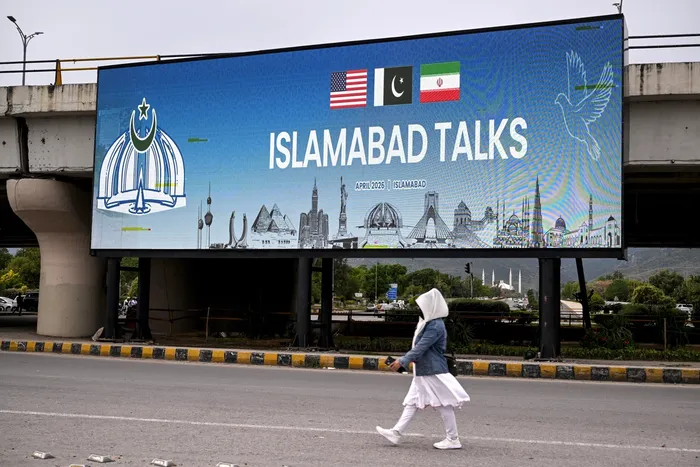
As negotiators prepare to sit down for the next phase of talks, the atmosphere is heavy with the realization that the "diplomatic track" is now running parallel to a "destruction track." The U.S. is using this threat to force Iran into a corner before the first word is even spoken at the table.
There is a specific focus on the Iranian drone program and its missile exports. Washington is tying the safety of Iran’s domestic infrastructure directly to the cessation of its overseas military adventures. The logic is simple: if you provide the tools to destroy infrastructure in Ukraine or the Red Sea, your own infrastructure is no longer off-limits. This is a significant departure from the previous "proportional response" doctrine that governed Middle Eastern skirmishes for decades.
The Technical Reality of an Infrastructure Strike
A strike on a power grid or a port doesn't necessarily require a single Tomahawk missile. The U.S. and its partners have developed sophisticated cyber-physical attack capabilities. We saw a precursor to this with the Stuxnet virus years ago, which physically destroyed centrifuges via software.
Modern warfare allows for the "soft" destruction of a port. By disabling the automated crane systems or the logistics software that manages container flow, a military can effectively shut down a port without killing a single person. However, the current threats coming out of Washington seem to lean toward the "hard" side. They are talking about the physical annihilation of the turbines and the docks. This is designed to be a permanent setback, not a temporary glitch.
The Counter Argument and the Risk of Blowback
Critics of this aggressive stance argue that the U.S. is playing a dangerous game of chicken. Iran is not without its own cards to play. The "Gray Zone" is where Tehran excels. If the U.S. threatens Iranian ports, the IRGC (Islamic Revolutionary Guard Corps) can easily mine the Strait of Hormuz.
$$Price\ of\ Crude = \frac{Global\ Demand}{Supply\ -\ Hormuz\ Throughput}$$
If the "Hormuz Throughput" variable drops to zero, the global economy faces a shock that could dwarf the 1970s oil crisis. This is the inherent risk of the current U.S. posture. To threaten the destruction of Iran’s ports is to risk the stability of every gas station in America and Europe. It is a high-stakes gamble that assumes the Iranian leadership is more afraid of losing their power than they are committed to their ideological path.
The Role of Regional Allies
Israel and the Gulf states are watching this shift with intense interest. For years, these nations have complained that U.S. sanctions were a "paper tiger." The shift toward targeting physical infrastructure aligns more closely with the Israeli "Mabam" strategy—the campaign between wars.
The U.S. is effectively adopting the Israeli playbook on a much larger scale. By threatening the Iranian power grid, Washington is also signaling to Saudi Arabia and the UAE that it is willing to use "hard power" to maintain the regional balance. This helps keep these allies from veering too far into the orbits of Beijing or Moscow for their security needs.
The Failure of Traditional Sanctions
We must acknowledge why we reached this point. The traditional sanctions regime has reached a point of diminishing returns. You can only ban a country from the SWIFT banking system once. You can only seize so many oil tankers. Iran has developed a "sanction-evasion" muscle memory that allows it to survive at a subsistence level indefinitely.
Physical infrastructure, however, cannot be hidden in a shell company in the Caymans. A power plant is a fixed coordinate. A port is a massive, unmoving target. By moving the goalposts from financial pressure to physical destruction, the U.S. is admitting that the economic war has failed to produce the desired nuclear concessions.
The Human Cost of Infrastructure Warfare
If the U.S. follows through on these threats, the victims will not be the elite members of the IRGC living in protected compounds. The victims will be the millions of Iranians who rely on the grid for water purification, hospital equipment, and food refrigeration.
This creates a moral and strategic dilemma. Does destroying a nation's ability to function lead to a "Velvet Revolution," or does it radicalize a population against the foreign power that turned off their lights? History suggests it’s a coin flip. In the 1990s, sanctions and infrastructure damage in Iraq did little to topple Saddam Hussein; they only served to hollow out the Iraqi middle class. Washington seems to believe that Iran in 2026 is different—that the society is so close to a breaking point that a few weeks of darkness will finish the job.
The Clock is Ticking for Tehran
The Iranian negotiating team enters the second round of talks knowing that the floor beneath them is thin. They are dealing with an American administration that is increasingly frustrated and looking for a definitive end to the "eternal" Iranian nuclear problem.
The threat to "destroy everything" if a wrong decision is made is the ultimate expression of that frustration. It is the end of the line for creative diplomacy. The U.S. has laid out a binary choice for the Iranian leadership: either accept a deal that permanently clips your nuclear and regional wings, or prepare to return to a pre-industrial state.
This isn't about "moving the needle" or "finding common ground." This is about the fundamental survival of the Iranian state’s physical assets. As the delegates take their seats, the hum of the Iranian power grid serves as a reminder of what is at stake. The silence that would follow a failed negotiation is a sound no one in Tehran wants to hear.
The focus now is not on the text of a treaty, but on the coordinates of the turbines. If the talks fail, the next phase of this conflict will not be fought in a bank or a courtroom, but in the engine rooms and the loading docks. The U.S. has made its move. The ball is in Tehran’s court, and the lights are flickering.