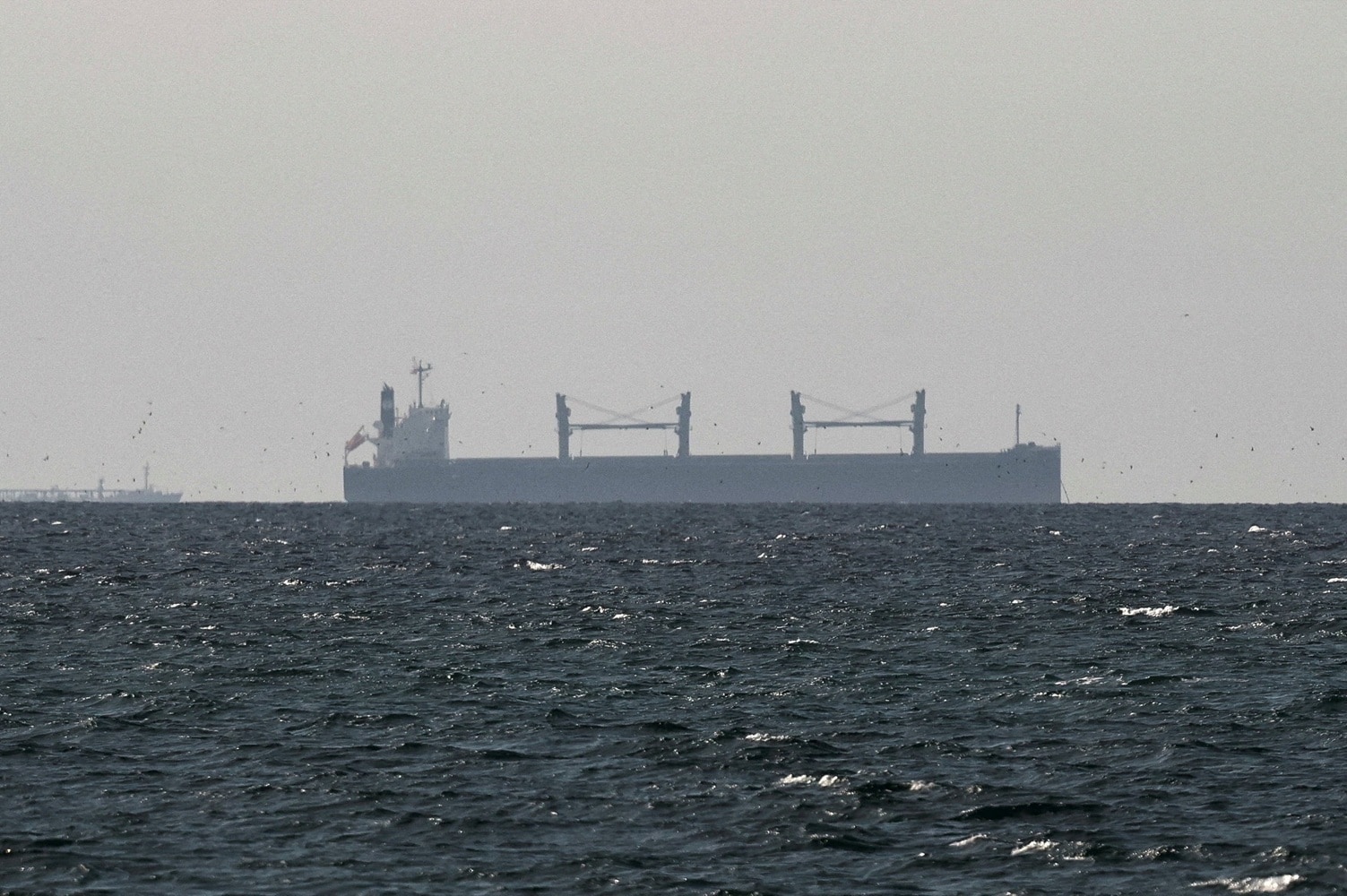
Don't let the headlines fool you. While the White House is taking a victory lap over the two-week ceasefire between the US and Iran, the view from the bridge of a VLCC (Very Large Crude Carrier) looks a lot more complicated. Everyone’s talking about a "safe opening" of the Strait of Hormuz, but as of Wednesday morning, most of the 800+ ships stranded inside the Persian Gulf aren't going anywhere just yet.
If you're a shipowner or a charterer, you're currently caught between a diplomatic "maybe" and a very expensive "what if." The political announcement on April 7, 2026, might have dropped oil prices by 14%, but it didn't magically erase the threat of the Islamic Revolutionary Guard Corps (IRGC) or the sky-high insurance premiums that come with sailing through a war zone. Expanding on this theme, you can also read: The Ghost in the Ledger.
The Reality of the 14 Day Clock
The clock is ticking on a 14-day window. For an industry that measures logistical shifts in weeks and months, two weeks is basically a heartbeat. Experts like Daejin Lee from Fertmax FZCO have already pointed out that it would take more than two weeks just to clear the current backlog under perfect conditions. We aren't in perfect conditions.
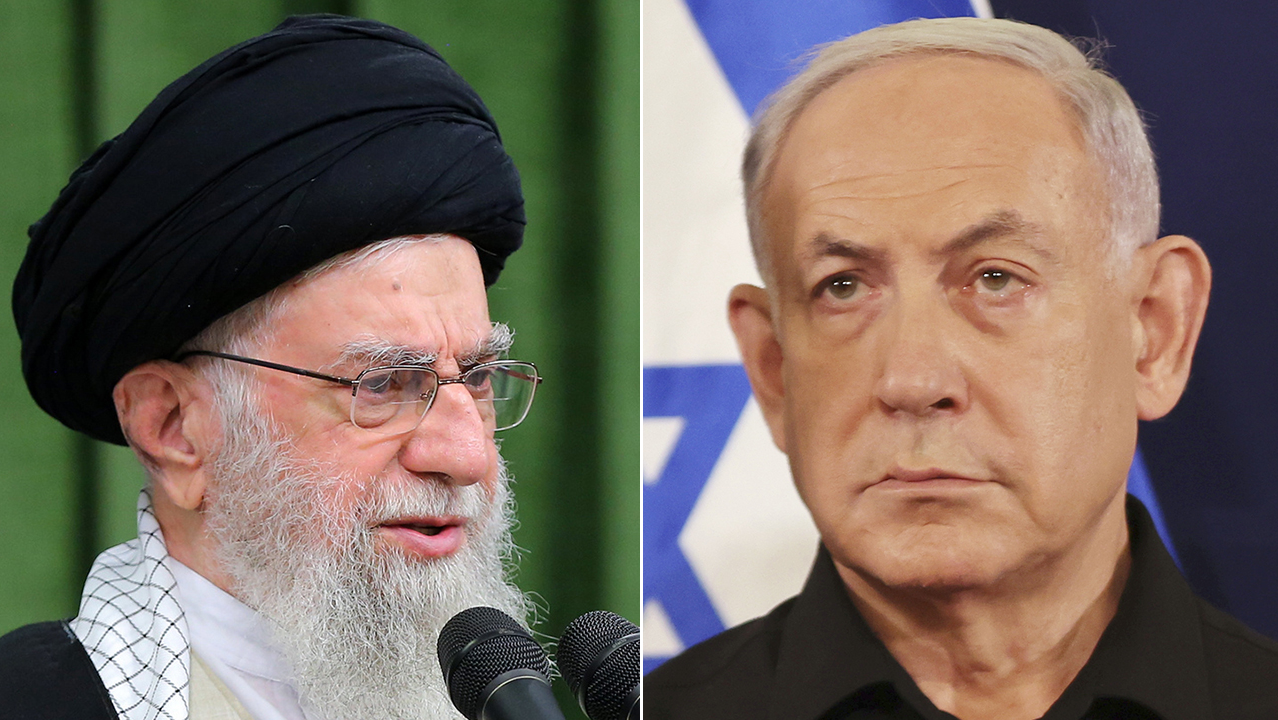
We’re looking at around 187 laden tankers carrying upwards of 172 million barrels of crude and refined products. They're sitting ducks inside the Gulf. While President Trump has promised an "immediate" opening, Iran’s Supreme National Security Council is singing a different tune. They’re talking about "technical limitations" and continued Iranian control over traffic. Observers at Bloomberg have shared their thoughts on this situation.
In plain English? Iran still holds the keys to the gate.
Who Blinks First
Most blue-chip shipowners are exercising what I’d call "aggressive restraint." They’re preparing the ships, sure. They’re pricing in ballast voyages and checking crew manifests. But they aren't pulling anchor.
The risk profile is still too high. If you move your ship without clear protocols from both the US and the IRGC, you’re basically betting your entire asset on a handshake deal made in a vacuum. Industry veterans like Jakob Larsen at BIMCO are telling everyone to wait. Why? Because until the transit protocols are etched in stone, any vessel moving out is a target for "documentation checks" or worse—being forced into an IRGC-escorted convoy that could be seen as a provocation by the other side.
- The Insurance Nightmare: War risk premiums haven't plummeted just because of a press release. Underwriters want to see a week of zero incidents before they stop charging "entry fees" that can cost hundreds of thousands of dollars per transit.
- The "Case-by-Case" Trap: Currently, transits are still being negotiated individually. That’s not a "reopening"; that’s a toll booth operated by a militia.
- The Physical Damage: It’s not just about the ships. Regional infrastructure—refineries and storage hubs—has taken a beating over the last five weeks. Even if the ships move, the stuff they’re supposed to carry might not be ready.
The Maersk Approach
Maersk is playing it smart. They’ve basically said "thanks, but no thanks" to changing their routes immediately. They’re sticking to their land-bridge system through Saudi Arabia and Oman. It’s more expensive, but it’s predictable. In shipping, predictability beats a "maybe" every single time. They aren't making changes until they see what happens in the scheduled talks in Islamabad this Friday.
What You Should Be Watching
If you're trying to figure out when the logjam actually breaks, stop watching the news and start watching the AIS (Automatic Identification System) data.
- Vessel Speeds: Are ships inside the Gulf starting to build steam, or are they still drifting at low knots?
- The Islamabad Meeting: Friday is the real deadline. If those talks fail, the 14-day ceasefire is just a 14-day regrouping period for the next round of strikes.
- The "NJ Earth" and "Daytona Beach": A few brave (or desperate) vessels like these have already made the jump. They’re the canaries in the coal mine. If they get through without being boarded or delayed, the herd will follow.
The bottom line is that the maritime world doesn't move on "hopes." It moves on cleared checks, signed indemnities, and verified safe passage. We have none of those yet.
If you're a charterer, don't rush into new loadings until the weekend. If you're an owner, keep your crews on high alert. The "ceasefire" is currently a political reality, but it's not yet a maritime one. Wait for the technical protocols to drop after Friday's negotiations before you commit your fleet to the Strait. The cost of being wrong is much higher than the cost of being late.