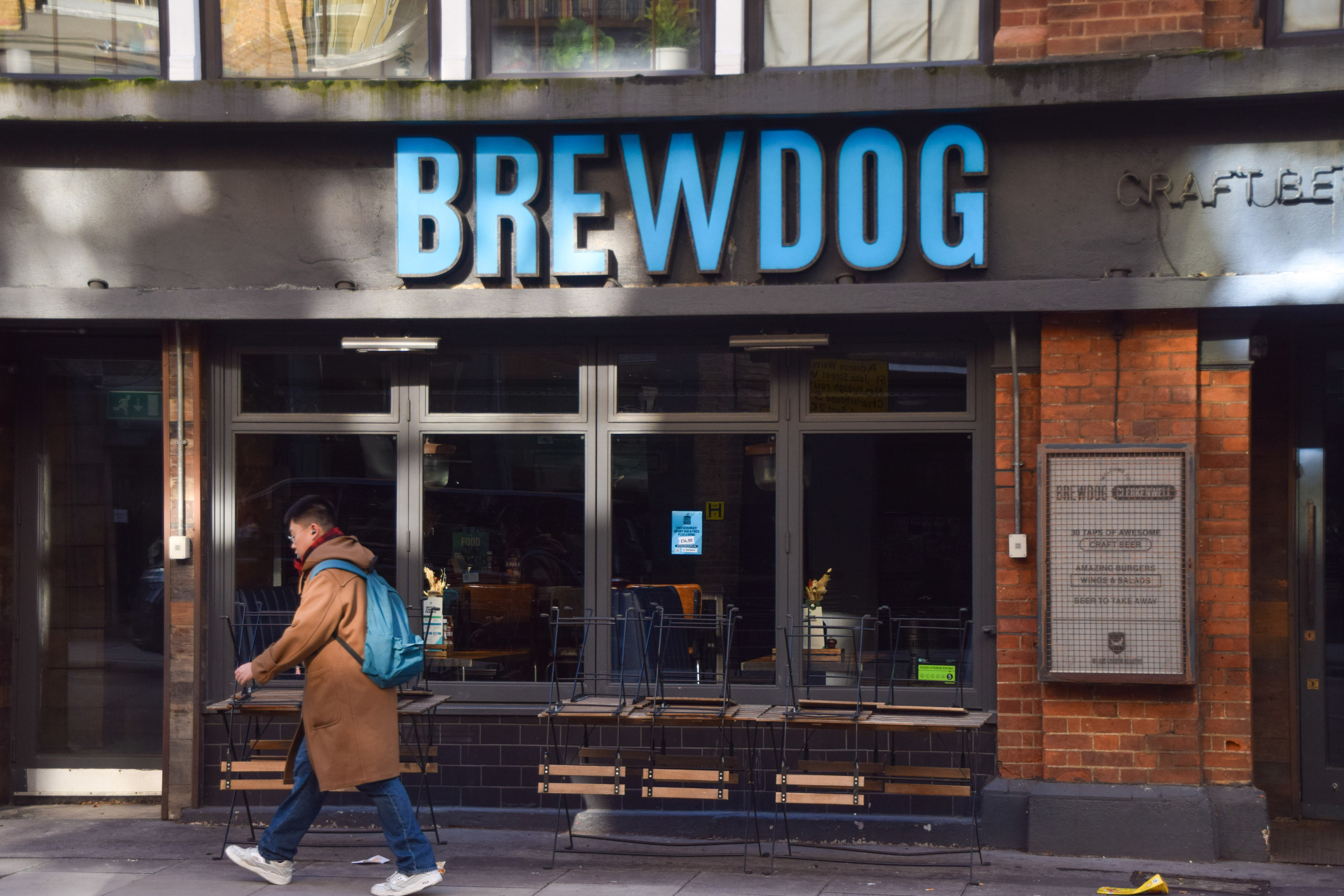
The British pub scene is bleeding, but the ripples hitting Australian shores aren't drowning the local industry yet. While UK hospitality giants like Stonegate and Greene King are slashing hundreds of head-office roles and restructuring under a mountain of debt, the Australian venues tied to these global networks aren't facing the same guillotine. It's a tale of two markets—one suffocating under energy costs and tax hikes, the other buoyed by a resilient, though cautious, local demand.
Why the UK Hospitality Sector Is Shrinking
It's no secret that the UK's "local" is in trouble. Recent data from early 2026 shows that pubs and restaurants have suffered their longest period of job losses since the 2008 financial crisis. We're talking about an 18-month hiring downturn that has seen thousands of positions evaporated. Stonegate Group, the UK’s largest pub operator, recently moved to axe roughly 150 jobs in its central functions as part of a massive debt restructuring. They’re sitting on a debt pile exceeding £3 billion ($5.8 billion AUD) and are desperately trying to streamline. Don't forget to check out our earlier coverage on this related article.
The problem isn't just bad management. It’s a perfect storm of policy and price. The 2024 Autumn Budget in the UK, led by Chancellor Rachel Reeves, hiked National Insurance contributions for employers and boosted the minimum wage. While great for workers on paper, it "changed the fundamental economics of the pub," according to Greene King's leadership. When you add soaring energy bills and a 15% discount on business rates that many claim isn't enough, you get a sector that’s losing four venues every single day.
The Australian Disconnect
You'd think a collapse in London would mean curtains for Melbourne and Sydney. Thankfully, that’s not the case. The Australian arm of these hospitality operations—and the broader local industry—operates under a different set of pressures and protections. To read more about the history of this, The Motley Fool provides an in-depth breakdown.
- Financial Ringfencing: Most UK companies with Australian interests maintain them as separate legal entities. The debt issues Stonegate faces in the UK don't automatically transfer to the balance sheets of Australian partner venues.
- Different Revenue Models: While the UK relies heavily on "wet-led" pubs (booze-only), Australian venues have successfully pivoted to "food-first" or entertainment-led models that provide better margins.
- Local Ownership Dominance: The Aussie pub market is dominated by local heavyweights like Endeavour Group and Australian Venue Co. They aren't beholden to the UK's specific tax woes or the "Rachel Reeves effect."
Even the tech that powers our pubs is moving in the opposite direction. Redcat, a major Australian hospitality technology platform, recently expanded into the UK market to try and fix their efficiency problems. It's a rare instance where the "colonies" are exporting the solutions to the home office's problems.
BrewDog and the US Takeover
Nothing illustrates the current volatility better than the recent BrewDog saga. In March 2026, the Scottish craft beer giant was essentially swallowed by the American firm Tilray Brands in a £33 million ($64 million AUD) rescue deal. This resulted in the immediate loss of nearly 500 British jobs and the closure of 38 bars.
However, if you're a fan of a Punk IPA at your local Australian BrewDog franchise, you can breathe easy. These franchise operations are generally shielded from the administration process of the parent company. Tilray’s takeover is focused on the brand, intellectual property, and UK brewing operations. The Australian outposts—often run through partnerships like the one with Australian Venue Co.—remain profitable and operational.
What Keep Australian Pub Jobs Safe
The safety of Australian hospitality jobs boils down to a few key factors that the UK simply doesn't have right now.
Robust Industrial Relations
Australia’s "Closing the Loopholes" reforms and the 2024 "Secure Jobs, Better Pay" legislation have made it harder to simply "slash and burn" workforces. While these laws add a layer of complexity for owners, they provide a floor for workers that prevents the kind of sudden, mass redundancies seen in the UK services sector.
Consumer Resilience
Aussies haven't stopped going out. While we're feeling the pinch of interest rates, the "night out" remains a cultural priority. Pubs here have adapted by becoming community hubs—offering everything from play areas for kids to high-end gastro-dining. The UK, by contrast, is seeing a "hollowed out" middle market where people either stay home or go to ultra-budget venues like Wetherspoons.
The Warning Signs to Watch For
I'm not saying it's all sunshine and schooners. The Australian hospitality industry still faces challenges that could eventually mirror the UK's plight if we're not careful.
- Supply Chain Costs: We’re still seeing the tail end of the global supply crisis, which makes every keg of beer and kilo of steak more expensive to land on the table.
- The Tip Tax Trap: Just as the UK introduced the "Tipping Act" in late 2025 to ensure fair distribution, Australia is looking at tighter regulations on how service charges are handled. This adds administrative weight that small pubs struggle to carry.
- Labor Shortages: Ironically, jobs are safe partly because there aren't enough people to fill them. The shortage of skilled chefs and managers means that if you're good at your job, you're practically unfireable right now.
The UK's pain is a lesson in what happens when tax policy, debt, and energy costs collide. Australia has avoided the worst of it because our market is fundamentally different—more diversified, more locally focused, and better protected by distance and distinct financial structures.
If you're working in an Aussie pub, don't let the headlines from London ruin your shift. The "mother country" might be closing its doors, but down here, the lights are staying on.
Check your local award rates and stay updated on the Fair Work Commission’s latest rulings on hospitality pay. It’s the best way to ensure your job remains as secure as the industry looks from the outside.