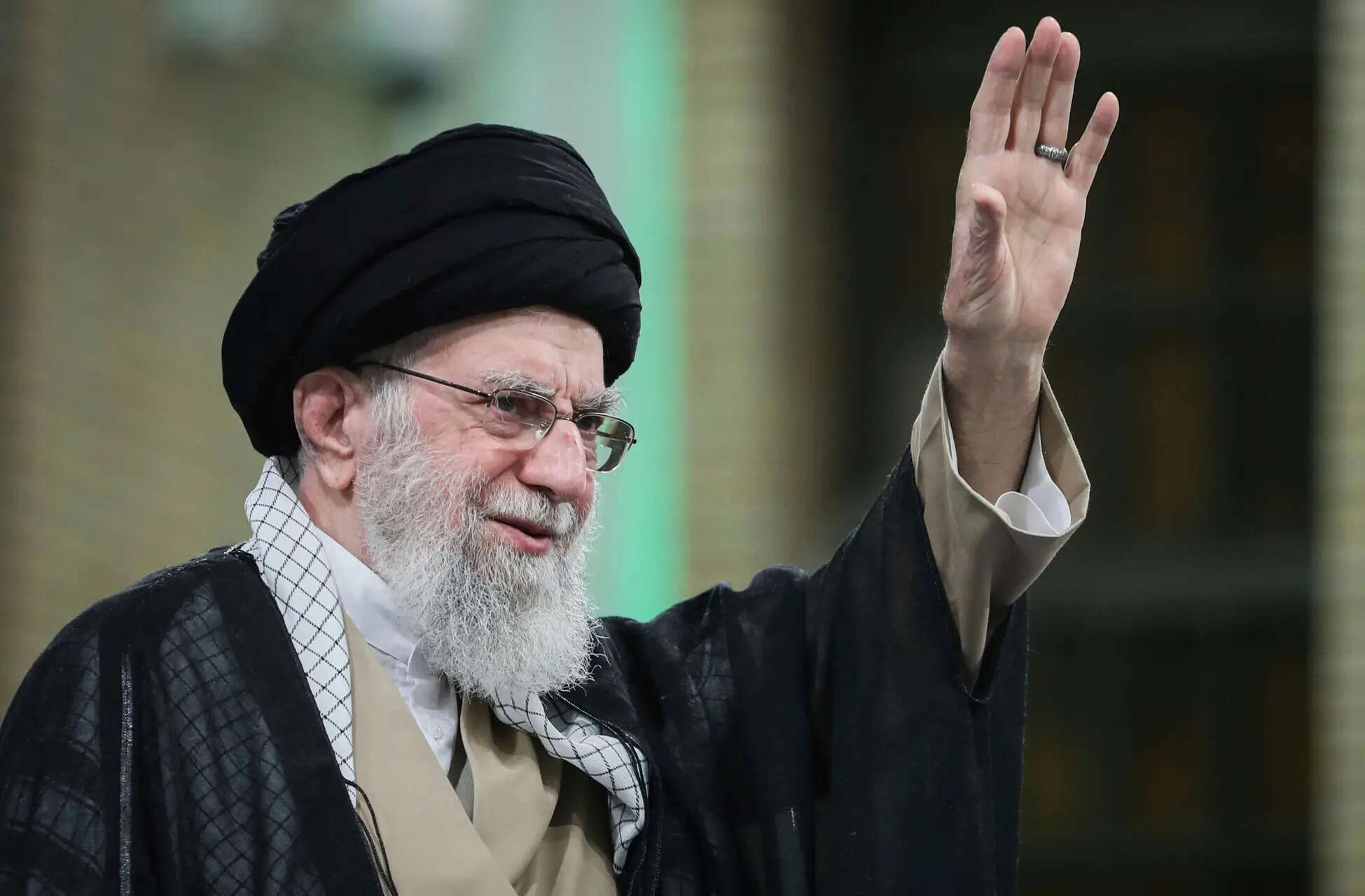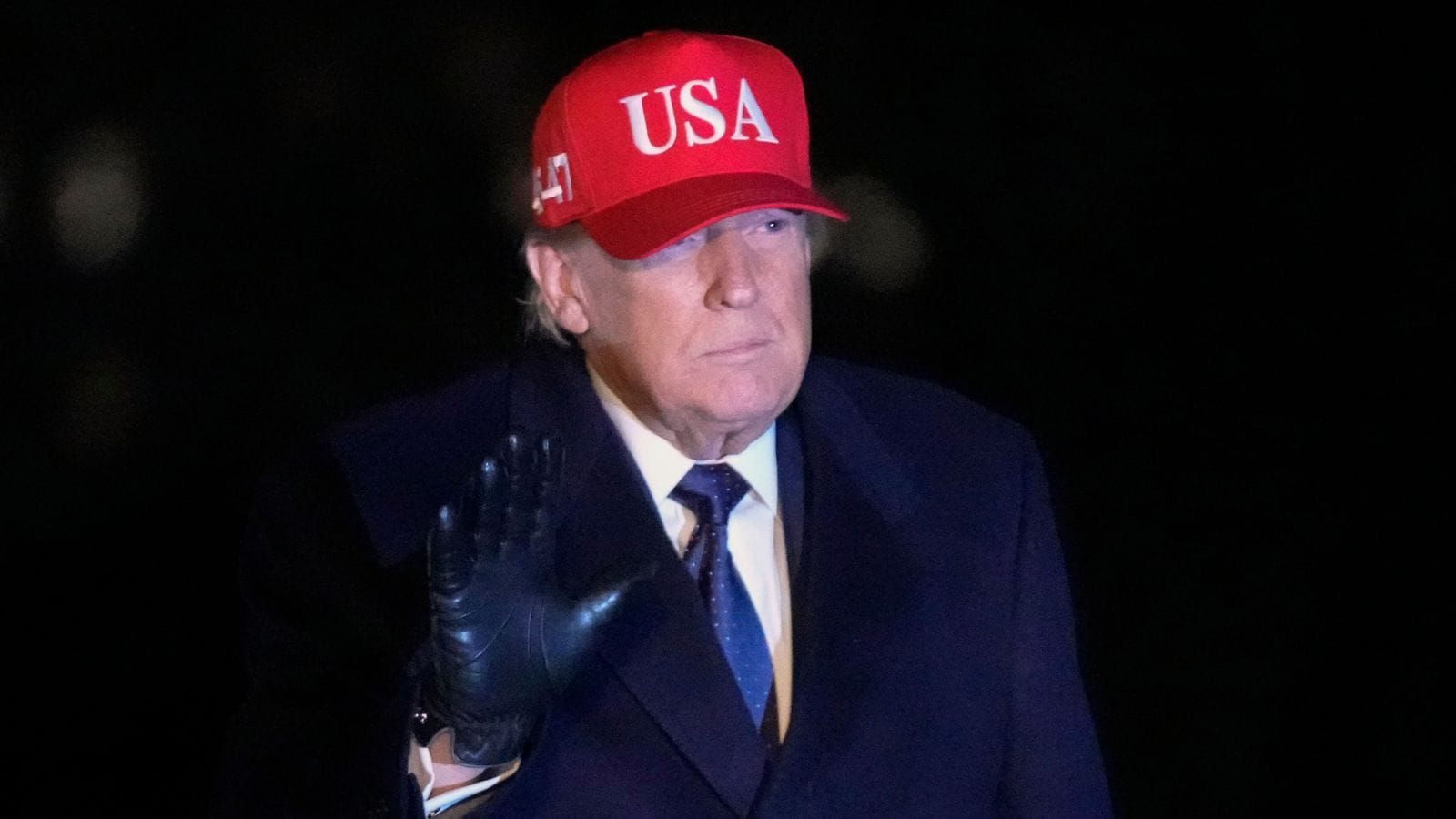
The missiles aren't going to stop falling on Tehran today. If you're looking for a quick ceasefire or a sudden return to the "status quo," you're misreading the room. President Trump has made it clear that Operation Epic Fury isn't a "warning shot" or a temporary flex. It's a systematic dismantling of a regime he’s spent years calling the "world's number one sponsor of terror."
The answer to the most pressing question—when will this end?—is simple and brutal: not until the Iranian regime is either toothless or gone. Trump has laid out four specific, non-negotiable objectives:
- The total destruction of Iran’s nuclear capabilities.
- The annihilation of its navy.
- The elimination of its ballistic missile arsenal.
- The severing of its ability to fund and direct proxy "terrorist armies."
While Tehran talks tough, claiming they "won't negotiate" under fire, the reality on the ground tells a different story. The Supreme Leader, Ali Khamenei, is reportedly dead following an Israeli strike. The Iranian navy has already lost ten ships in just the first few days. Trump isn't looking for a seat at a table; he's looking for a surrender.
The Strategy Behind Operation Epic Fury
This isn't just another Middle East skirmish. It’s the culmination of a "maximum pressure" campaign that has transitioned from economic sanctions to "maximum force." By February 2026, the diplomatic path had hit a brick wall. Trump sent envoys like Steve Witkoff and Jared Kushner to Geneva, but they walked away when Tehran refused to agree to a permanent ban on nuclear weapons.
The timing isn't accidental. Iran was already reeling from internal protests that began in early 2026, fueled by a collapsing economy and failing infrastructure. Trump isn't just hitting military targets; he's hitting a regime that’s already on the ropes domestically. He even called on the Iranian people on Truth Social to "take over your institutions," framing these strikes as their "only chance for generations" to reclaim their country.
Why Negotiations Failed in February
You might wonder why we’re at war when both sides were supposedly talking just weeks ago. The gap was simply too wide to bridge.
- The US Demands: A total end to all uranium enrichment, the dismantling of the ballistic missile program, and immediate release of all American detainees.
- The Iranian Stance: They wanted full sanctions relief before any further concessions and refused to export their existing enriched uranium stockpile.
Basically, the US wanted a surrender before the first shot was fired. When they didn't get it, the "snapback" sanctions from the 2015 deal were triggered by European allies, and the military option moved to the front of the line.
Tehran’s Defiance vs. Reality
Tehran’s official line is that they’re in a state of "holy resistance." Ali Larijani, the secretary of Iran’s Supreme National Security Council, has flatly denied that talks are on the agenda. They’re lashing out, launching drones at British bases in Cyprus and hitting targets across the Gulf—UAE, Saudi Arabia, and even Oman.
But honestly, this looks more like a desperate attempt to drive up the political cost for Trump than a viable military strategy. They want to create a regional "total war" that forces a ceasefire. But that plan has a major flaw: Trump has already said he’s prepared for this to last far longer than the initial five-week projection. He's even got the British to allow the use of their bases on Diego Garcia for these strikes, after a bit of a tiff with Prime Minister Keir Starmer.
The Human and Strategic Cost
The numbers coming out are grim. The Iranian Red Crescent reports over 555 Iranians killed so far, and more than 130 cities have seen some level of combat. On the American side, we’ve already seen four soldiers dead and several more wounded. This isn't a "clean" war. Even the US admits that Kuwait "mistakenly" shot down three American F-15E jets.
Yet, the administration is leaning into the chaos. Defense Secretary Pete Hegseth is out there saying this "is not Iraq" and "not endless," but also won't commit to a hard end date. It's a war of attrition where the US and Israel have overwhelming air and sea superiority.
What This Means for You
If you’re worried about what this does to the global economy, you’re right to be. The UAE has already shut down its stock exchanges. The Strait of Hormuz—the world’s most important oil chokepoint—is effectively a combat zone. While the US navy is busy "annihilating" the Iranian fleet to keep the lane open, the threat of a complete closure is real. This isn't just a news story; it’s going to hit your wallet at the gas pump and in your retirement accounts.
Many people think Trump is being reckless, but from his perspective, he's finishing a job that’s been lingering for 47 years. He’s betting that the Iranian regime will crumble before the American public loses patience.
Don't expect a "peace deal" next week. The White House has made it clear that "peace through strength" means the strength comes first. The objective isn't to get back to the 2015 nuclear deal; it's to ensure there’s no regime left to make a deal with.
Keep an eye on the internal protests in Iran. If the Iranian security forces actually start "merging with the patriots" as Trump suggested, this could end quickly. If they don't, we're looking at a long, hot spring in the Middle East. Check the latest travel advisories if you have any business in the region; the State Department has already told everyone to get out of Israel and Lebanon while they still can.