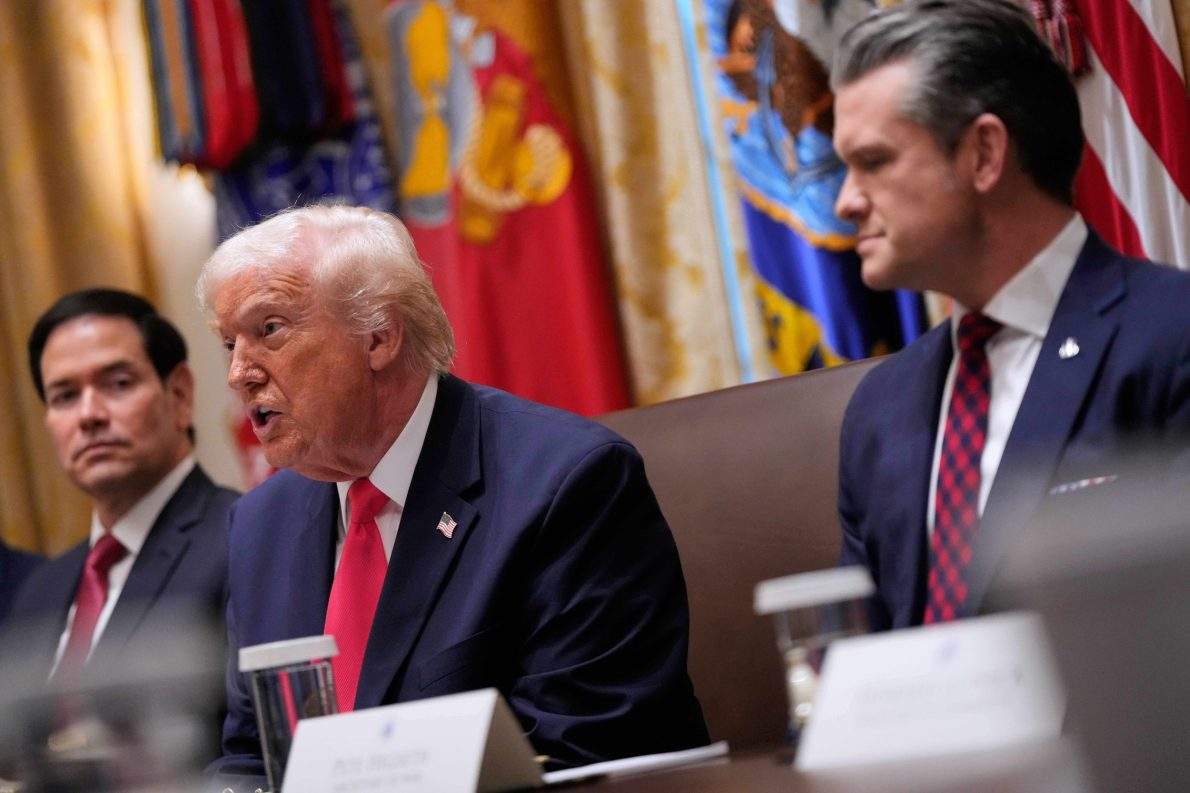
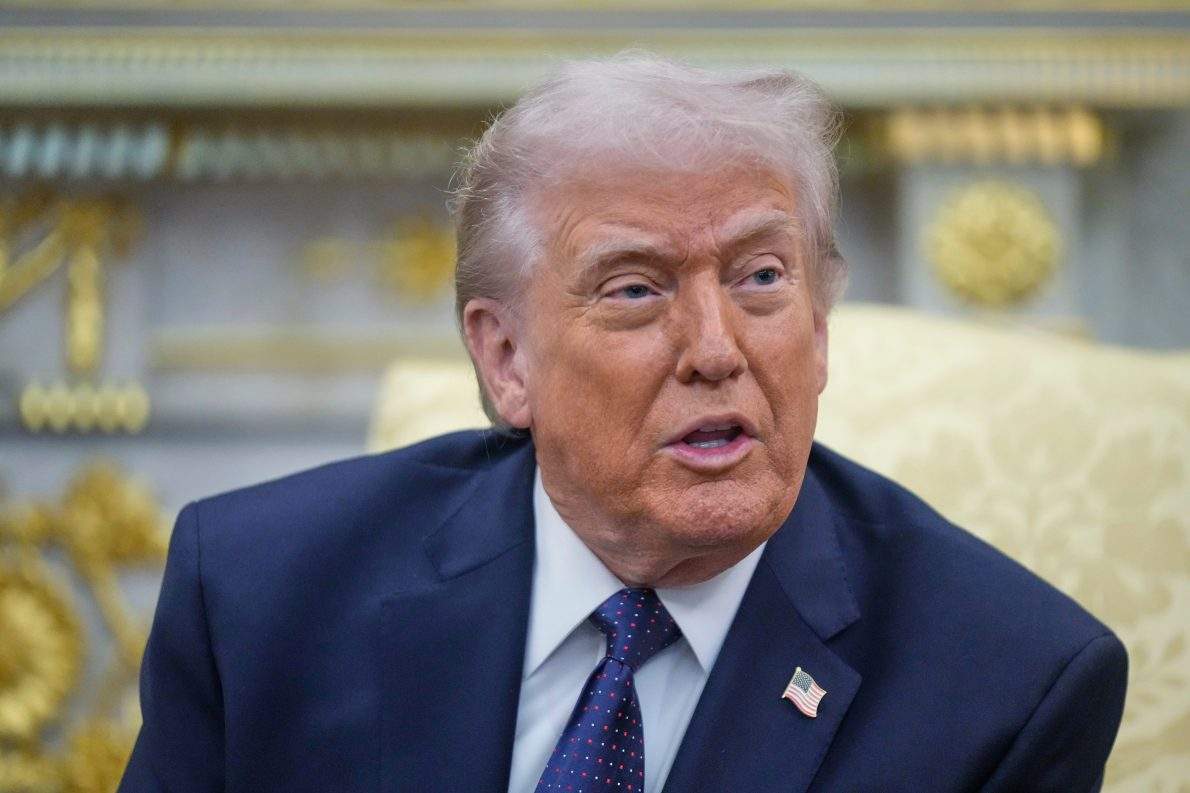
Don’t expect a postcard from the White House to Madrid anytime soon. President Donald Trump just leveled a massive threat against one of America's oldest allies, and it’s not about some minor trade dispute. He’s talking about a total economic divorce. During an Oval Office meeting with German Chancellor Friedrich Merz on March 3, 2026, Trump made it clear that Spain is officially on his bad side. "We’re going to cut off all trade with Spain," he told reporters. "We don't want anything to do with them."
The reason? Spain's Socialist government, led by Prime Minister Pedro Sánchez, refused to let U.S. forces use Spanish military bases for strikes against Iran. For a president who views loyalty through the lens of military access and defense checks, this was the ultimate betrayal.
The base of the problem
The tension centers on the Rota and Morón de la Frontera bases in southern Spain. These aren't just patches of dirt; they're the crown jewels of U.S. power projection in the Mediterranean and the Middle East. When the U.S. and Israel launched Operation Epic Fry against Tehran last weekend, they expected the keys to be in the lock.
Instead, Spanish Foreign Minister José Manuel Albares went on television to say the bases "are not being used—nor will they be used—for anything that is not in the agreement." Translation: if the UN didn't sign off on your war, don't look at us. This forced the U.S. to relocate 15 aircraft, including critical refueling tankers, right as the bombs started falling. Trump’s response was predictably blunt. He claimed the U.S. could "just fly in and use" the bases if it wanted to, but decided to punish the "unfriendly" behavior with an embargo instead.
The 5% NATO club
It isn't just about the bases, though. This has been brewing since Trump started demanding NATO members cough up 5% of their GDP for defense. While most of Europe scrambled to meet new targets, Spain held firm at 2.1%.
"They were the only country in NATO that wouldn't agree to go up to 5%," Trump complained. He’s effectively using the Iran conflict as the final excuse to hammer a country he’s viewed as a "delinquent" for years. While Germany’s Merz sat beside him nodding—having recently fallen in line with U.S. demands—Spain stood out as the lone holdout.
Can he actually do it
You might wonder how a president can just "stop all trade" with a single country, especially one inside the European Union. Usually, the EU negotiates trade as a single bloc. If you slap a tariff on Spanish olive oil, you're basically picking a fight with the whole continent.
However, Trump's team thinks they found a loophole. Treasury Secretary Scott Bessent and Trade Representative Jamieson Greer are pointing to a recent Supreme Court clarification of the International Emergency Economic Powers Act (IEEPA). While the court recently slapped down Trump’s attempt at universal global tariffs, it seemingly left the door open for full-scale embargoes against specific "threats" to national security.
What’s at stake for Spain
- Olive Oil: Spain is the world's top producer. If the U.S. market vanishes, the industry in Andalusia will crater.
- Auto Parts and Steel: Major Spanish exports that keep U.S. assembly lines moving.
- Tourism: While an embargo usually targets goods, a total "cutoff" could impact travel and financial services.
Honestly, Spain doesn't seem to be flinching yet. Madrid issued a statement saying they have the resources to "contain the potential impact" and reminded the White House that private businesses have autonomy. But let's be real—losing the American market isn't something you just "contain" over a weekend.
The geopolitical fallout
This move puts the rest of Europe in a nightmare spot. They have to choose between their EU brother and a U.S. president who is currently at war with a major regional power. Merz is already trying to play the middleman, attempting to "convince" Spain to catch up to the spending targets to avoid the hammer.
Sánchez, meanwhile, is one of the last progressive leaders left in a Europe that is rapidly shifting right. He’s called the U.S.-Israeli campaign "unjustifiable" and "dangerous." By standing his ground on the bases, he’s betting that international law matters more than Trump’s trade threats. It’s a high-stakes gamble that could leave Spain isolated if other EU nations decide that 5% spending is a small price to pay for peace with Washington.
What you should watch for
The next few weeks will tell us if this is just typical Trump bluster or a functional shift in Atlantic relations. If the Treasury Department actually signs the paperwork to halt Spanish imports, we’re looking at a trade war that could spiral into a broader U.S.-EU conflict.
Keep an eye on the price of olive oil at your local grocery store and the rhetoric coming out of Brussels. If the EU retaliates, this gets very ugly, very fast. For now, expect the Spanish government to continue its "autonomy" talk while privately looking for an exit ramp that doesn't involve surrendering their sovereignty—or their wallet.
If you're doing business with Spanish suppliers, it's time to review your contracts for "force majeure" clauses. You don't want to be the one holding the bag if the ports suddenly close to Spanish steel. Check your supply chain for any Spanish-made components and start scouting alternatives in Italy or Greece just in case. Don't wait for the official executive order to start planning your backup.