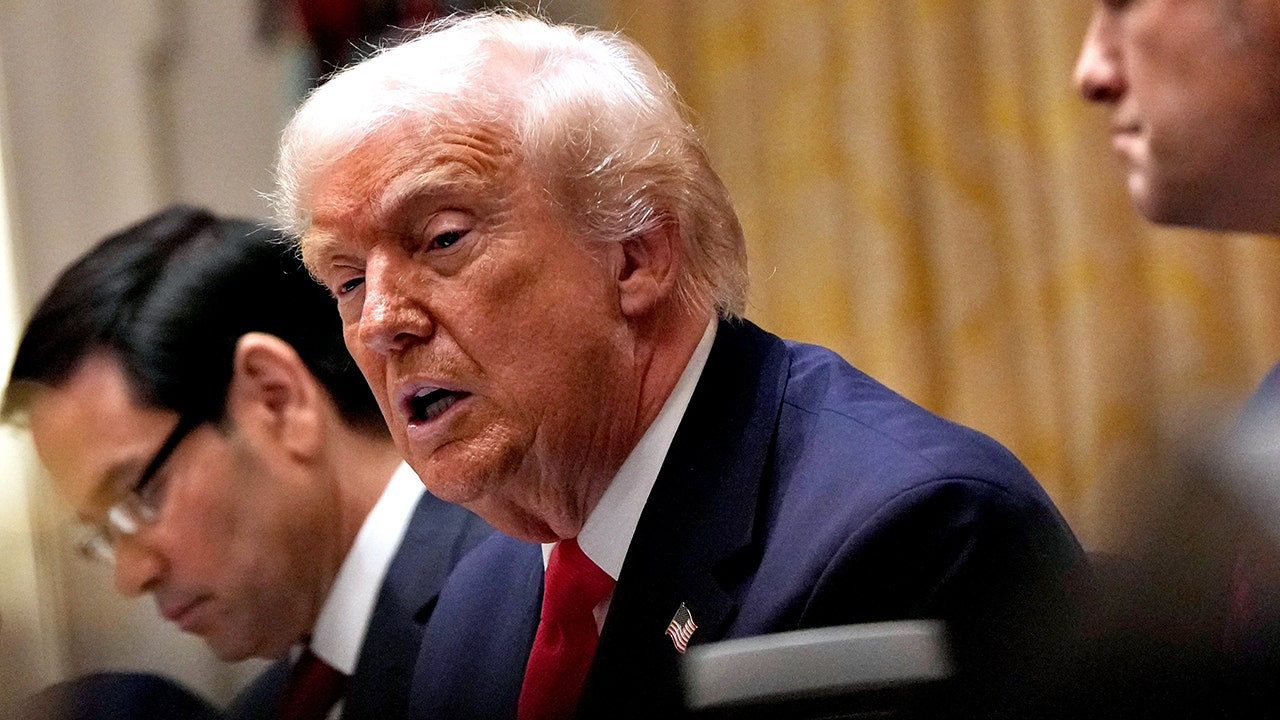
The peace deal we were all hoping for just hit a brick wall. On Monday, President Donald Trump declared the ten-week ceasefire with Iran is basically on "life support." He didn't mince words, either. After reading the latest response from Tehran, he tossed it aside, calling the document "garbage" and "a piece of paper that means nothing."
If you've been watching the gas pump lately, you know why this matters. The Strait of Hormuz is still a ghost town for tankers, and this latest diplomatic train wreck means oil prices aren't coming down anytime soon. Brent crude already jumped nearly 5% this morning, flirting with that triple-digit $100 mark. Meanwhile, you can read other events here: Why the Nordic Indian Summit is a Geopolitical Mirage.
The demands Trump called stupid
Iran didn't just send a counter-offer; they sent a wish list that Washington was never going to grant. Through Pakistani mediators, Tehran demanded things that felt more like a victory lap than a peace treaty.
- Total Sovereignty over the Strait: They want the world to formally recognize their control over the Strait of Hormuz. That’s a non-starter for the U.S. and every other major shipping nation.
- War Reparations: Tehran wants the U.S. to pay up for damages caused during the conflict.
- Ending the Naval Blockade: They expect the U.S. to pull back its warships before any nuclear talks even begin.
- Nuclear Sovereignty: They’re still insisting on their "right" to enrich uranium, which is the exact thing that started this mess.
Trump's reaction was classic. He told reporters at the White House he didn't even finish reading the response. To him, it wasn't a negotiation; it was a joke. He’s convinced Iran is just slow-rolling the process to rebuild its missile stocks, and he's not in the mood to play along. To see the full picture, check out the detailed article by The New York Times.
The nuclear dust problem
There’s a new term floating around the West Wing: "nuclear dust." Trump claimed today that Iran is actually willing to part with its enriched uranium stockpile—which the U.N. says is now over 440 kilograms of 60% pure material. That’s dangerously close to weapons grade.
But here’s the catch. Trump says only the U.S. and China have the capability to actually go in and retrieve it safely. It sounds like a breakthrough, but Israeli Prime Minister Benjamin Netanyahu is already pouring cold water on it. He told "60 Minutes" that if the material doesn't come out through a deal, it’s coming out through a "physical" engagement. In plain English? More bombing.
Why the ceasefire is failing on the ground
While the politicians argue, the actual ceasefire is barely holding. It’s a "nominal" peace at best.
Over the weekend, drones were buzzing everywhere. The UAE shot down two drones they blamed on Iran. A ship off the coast of Qatar caught fire after another drone hit. The U.S. Navy isn't sitting still, either. Last Friday, they disabled two Iranian tankers trying to sneak through the blockade.
It’s a game of chicken. Iran is using its control of the waterway to squeeze global markets, while the U.S. uses its blockade to starve the Iranian economy. Neither side wants to blink first, and that’s why "life support" is such an accurate description. One wrong move by a jittery drone operator or a ship captain, and we’re back to full-scale war.
What you should do now
Don't expect your energy bills to drop this month. The diplomatic path is currently blocked by a mountain of "unacceptable" demands and personal animosity between the leaders.
- Watch the oil markets. If Brent crude stays above $100, the economic ripple effect will hit everything from shipping costs to grocery prices.
- Monitor the Strait. Any news of the U.S. or British navies attempting to forcibly escort tankers through the Strait of Hormuz will be the signal that the ceasefire is officially dead.
- Check the Pakistani mediators. They're the only ones still talking to both sides. If they pack up and go home, the "life support" machine has been unplugged.
The bottom line is that Trump feels he has all the leverage. He thinks the blockade is working and that Tehran will eventually crawl back with a better deal. Iran, meanwhile, thinks they can hold the world's energy supply hostage until the U.S. gives in. It's a high-stakes gamble, and so far, nobody's winning.