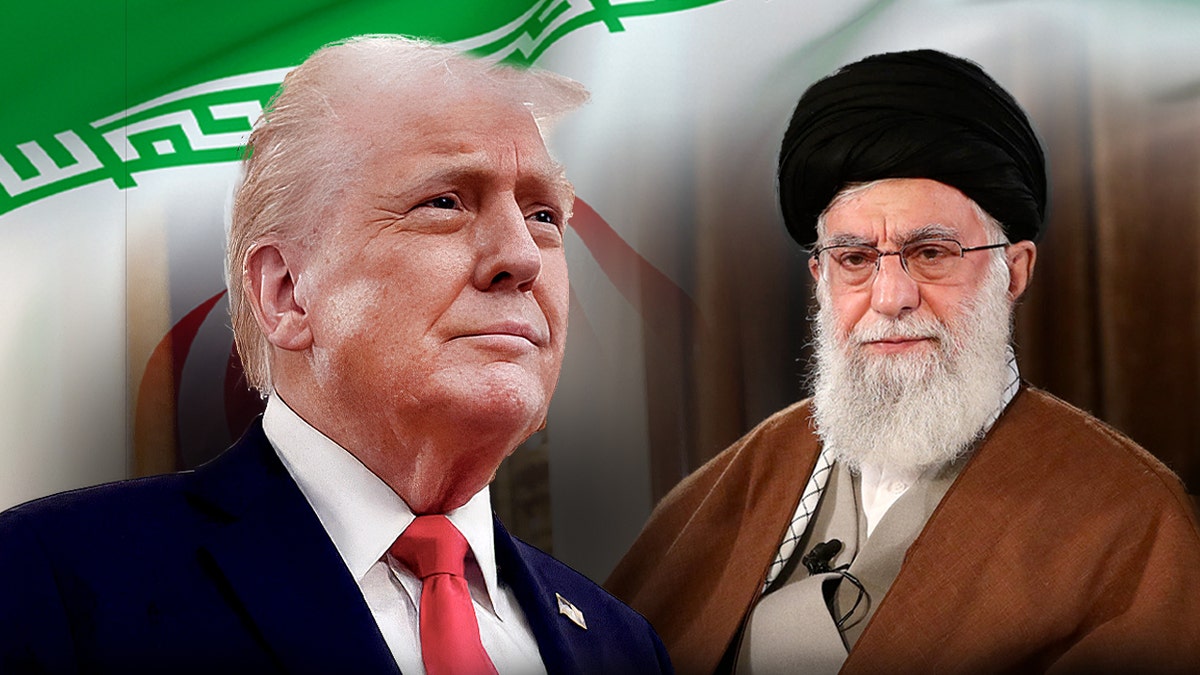
Donald Trump just did what he does best: he flipped the script at the very last second. Just hours before the clock was set to run out on a fragile two-week truce, the President took to Truth Social to announce an "indefinite" extension of the ceasefire with Iran. This wasn't because he’s suddenly gone soft on Tehran. In fact, he’s doing it while keeping a massive naval blockade tightened around the Strait of Hormuz like a noose.
The move comes after a direct plea from Pakistan’s leadership—Prime Minister Shehbaz Sharif and Field Marshal Asim Munir—who are trying to play the middleman in a conflict that could easily set the entire Middle East on fire. Trump says he’s giving them "time" to get their act together, but if you look at the fine print, this isn't a peace treaty. It’s a tactical pause with a finger still resting firmly on the trigger.
The Fractured State of Tehran
The official reason for the extension is that the Iranian government is, in Trump’s words, "seriously fractured." Honestly, it’s hard to argue with that. Since the "40-day war" earlier this year, the power vacuum in Tehran has become a chaotic mess of competing voices. You have Parliament Speaker Mohammad Baqer Qalibaf trying to look like a statesman in Islamabad, while hardline IRGC commanders are busy threatening to blow up every oil well in the region if a single American bullet is fired.
Trump’s strategy here is basically "let them fight." By demanding a unified peace proposal, he’s forcing the different factions in Iran to either come to a consensus—which seems impossible right now—or take the blame for the ceasefire collapsing. It’s a high-stakes psychological game.
- The Diplomats: Led by Ghalibaf, this group wants the blockade lifted to save a tanking economy.
- The Hardliners: Senior IRGC figures like Vahidi are vetoing almost every concession, viewing any deal as a total surrender.
- The Proxies: Groups like Hezbollah are still taking potshots at northern Israel, complicating any "unified" message Iran tries to send.
The Naval Blockade is the Real War
Don't let the word "ceasefire" fool you. While the bombs aren't falling on Tehran today, the U.S. Navy is still parked in the Strait of Hormuz. This is a "blockade ceasefire," which sounds like a contradiction because it is. For Iran, a blockade is an act of war. For Trump, it’s "maximum pressure" with a new name.
The global stakes couldn't be higher. About 20% of the world's oil flows through that narrow stretch of water. Prices have been bouncing around like a heart rate monitor since the U.S. seized an Iranian ship last weekend. The European Union is already losing patience, with foreign affairs chief Kaja Kallas calling the daily U-turns on whether the Strait is open "reckless."
Why Pakistan is the New Switzerland
You might wonder why Pakistan is suddenly the center of the diplomatic universe. It’s not just geography. Islamabad has managed to maintain a working relationship with both the Trump administration and the leadership in Tehran. Prime Minister Sharif knows that if a full-scale war breaks out, the refugee crisis and economic fallout will hit Pakistan first and hardest.
Vice President JD Vance was supposed to be on a plane to Islamabad right now. Instead, he’s back in D.C. consulting with Jared Kushner and Steve Witkoff. The message is clear: the U.S. won't even show up for talks until Iran produces a document that everyone in their government actually signs off on.
The Myth of a Simple Resolution
Most people think this extension means we’re moving toward peace. That’s probably wrong. Trump isn't looking for the 2015 nuclear deal (JCPOA) or even a "JCPOA 2.0." He wants what he calls a "great deal," which basically looks like the total dismantling of Iran’s military-industrial complex.
The Iranians aren't exactly in a "giving" mood either. An advisor to Iran's top negotiator recently called this extension a "ploy to buy time" for a surprise strike. When both sides think the other is just waiting for a chance to stab them in the back, the "unified proposal" becomes a very tall order.
- Sticking Point 1: The Pickaxe Mountain facility. The U.S. wants it gone; Iran says it's a sovereign right.
- Sticking Point 2: The Blockade. Iran won't talk until it's lifted; the U.S. won't lift it until they talk.
- Sticking Point 3: Regional Proxies. Disarming groups in Lebanon and Yemen is a non-starter for the IRGC.
What Happens Next
If you’re waiting for a definitive "peace in our time" moment, don't hold your breath. This ceasefire is indefinite, but that just means it could end at 3:00 AM on a Tuesday if a Truth Social post says so.
The reality is that we're in a holding pattern. The U.S. military remains "raring to go" (Trump’s words), and Iran is still threatening to "say goodbye to oil production in the Middle East" if they get pushed too far.
If you want to understand where this is actually going, stop watching the diplomatic dinners in Islamabad and start watching the shipping lanes in the Gulf of Oman. If the blockade holds, Iran’s economy will eventually force their hand—or force them to lash out. Either way, the "unified proposal" is the only thing standing between the current silence and a massive escalation.
Keep an eye on the Israel-Lebanon talks scheduled for Thursday in Washington. If those show progress, it might give the U.S.-Iran negotiations some much-needed momentum. If they fail, expect the ceasefire in Iran to get a lot more "definite" very quickly.


