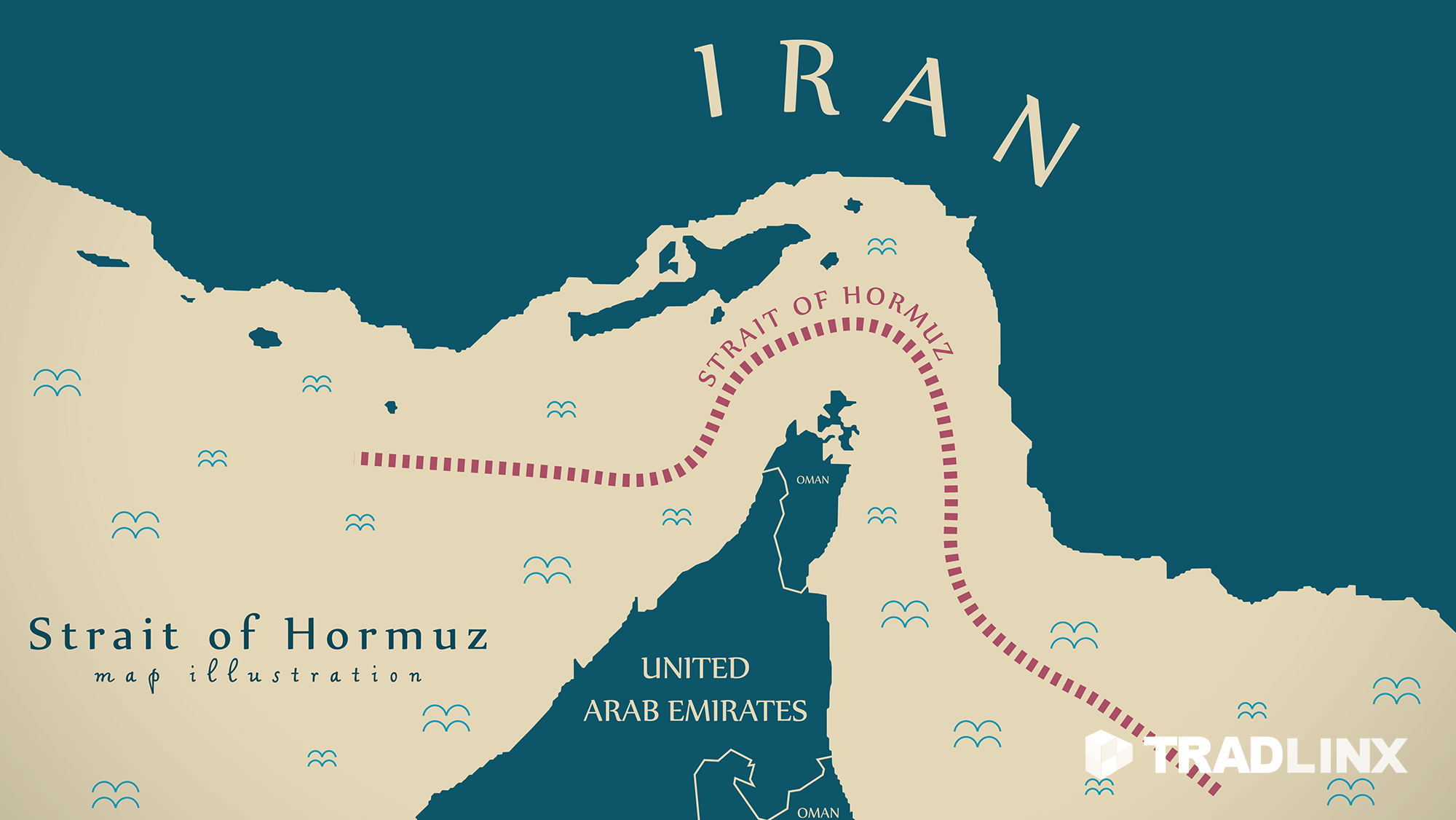
The contemporary standoff surrounding the Strait of Hormuz is not a singular geopolitical skirmish; it is a structural failure of international maritime transit systems under duress. To understand the current impasse in Islamabad, one must shift focus from diplomatic rhetoric to the underlying operational realities of chokepoint control. The Strait represents an essential physical bottleneck in global logistics where 20 percent of seaborne oil and substantial liquefied natural gas volumes converge. When this node is obstructed, the cost of global energy supply shifts from market-determined pricing to conflict-adjusted risk premiums.
The Economics of Chokepoint Monetization
Iran’s push to formalize transit fees within the Strait is a tactical shift from denial-of-access to extraction-of-rent. This proposal fundamentally challenges the prevailing maritime order established under the United Nations Convention on the Law of the Sea (UNCLOS), which dictates that transit through international straits must remain unimpeded.
The economic model Tehran is attempting to impose relies on three variables:
- Asset Categorization: Differentiating between vessels based on cargo type and origin, creating a tiered access system.
- Dynamic Pricing: Moving away from static usage fees toward a system where tolls reflect the geopolitical risk environment.
- Regulatory Infrastructure: Establishing a bureaucratic framework for licensing that mirrors sovereign administrative control.
This creates a high-cost environment for shipping firms, which are forced to internalize the risk of potential interception or delay. The logic of the market is simple: as the cost of transit increases—whether through direct fees or insurance risk—the landed cost of energy commodities increases proportionally. This forces importers in Asian and European markets to devalue long-term contracts and seek alternative, higher-cost sourcing methods, effectively breaking the efficiency of the Persian Gulf energy export model.
Systemic Fragility and the Ripple Effect
The closure of the Strait has triggered a supply shock that extends beyond energy. Because oil and natural gas are foundational inputs for secondary industries, the disruption propagates through industrial supply chains.
- Feedstock Volatility: Naphtha, essential for the production of plastics and petrochemicals, faces acute supply constraints. This forces manufacturers to accept higher production costs or reduce output.
- Agricultural Disruption: Fertilizers and urea require natural gas as a primary input. A constriction in flow delays production, which manifests as upward pressure on food prices in the 6–12 month window following the disruption.
- Industrial Deindustrialization: In regions such as the UK and parts of the EU, energy-intensive sectors like steel and chemicals are currently imposing surcharges to compensate for surging feedstock costs. If these conditions persist, these industries face a risk of permanent operational decline.
Analytical Constraints of the Islamabad Talks
The negotiations in Islamabad represent a high-stakes attempt to reset these variables. The participants operate under severe constraints that dictate the feasibility of any agreement:
- Asymmetry of Objectives: The United States prioritizes the restoration of free transit to stabilize global markets and curb inflation. Iran prioritizes a combination of sanctions relief, recognition of regional status, and the institutionalization of its maritime authority. These goals are currently mutually exclusive.
- The Trust Deficit: Six weeks of kinetic conflict have depleted the institutional trust necessary for implementing complex maritime agreements. Even if a deal is reached, the enforcement mechanism remains undefined.
- The Mediator Variable: The shift from traditional regional mediators—such as Oman—to Pakistan signals an attempt to find a neutral party capable of facilitating a dialogue between sides with zero appetite for concession.
The core challenge for the negotiators is not the technical definition of the transit route, but the legal and military status of the waters themselves. If the United States concedes any portion of transit authority, it effectively legitimizes a new framework of "sovereign maritime regulation" that could be replicated at other global chokepoints.
Strategic Recommendations
The path toward resolving the maritime component of this conflict requires a shift in how transit authority is managed. Relying on a binary state of "open" or "closed" is insufficient given current tensions.
- Decouple Transit from Sovereignty: The primary objective must be to maintain unimpeded passage while addressing the legitimate security concerns of littoral states. This could be achieved by proposing an internationalized maritime monitoring body that handles transit safety and inspection, effectively replacing unilateral Iranian control with a multilateral oversight mechanism.
- Implement Escort Protocols: To mitigate the risk of disruption, international maritime forces must formalize convoy systems that ensure safe passage without infringing upon sovereign territorial waters where possible. This removes the "uncertainty premium" currently inflating insurance and shipping rates.
- Prioritize Commodity Corridors: Negotiations should focus on establishing protected corridors for essential commodities—specifically LNG and fertilizers—to decouple basic resource security from the broader political conflict.
The immediate strategic play for the United States is to demand a "Standstill Period" on all transit toll legislation in exchange for the unblocking of specific Iranian assets. This provides a window for the broader diplomatic negotiations to occur without the constant threat of immediate maritime escalation. If this fails, the maritime reality will shift from a transit route to a contested zone, permanently altering the risk profile of the global energy supply chain.



