The lazy narrative is back. You’ve seen the headlines: "CIA Puppet Masters Pulling Kurdish Strings," or "How Kurds Will Be Dragged Into a US-Iran War." It’s a tired, 1970s-era trope that treats one of the most sophisticated political and military actors in the Middle East like a group of naive mercenaries. If you believe the Kurds are being "dragged" into anything, you haven't been paying attention for the last thirty years.
The premise that the Central Intelligence Agency—an organization that has historically bungled more regional alliances than it has secured—is the primary driver of Kurdish strategy is not just wrong; it’s an insult to the agency of the Kurdistan Regional Government (KRG) and the Syrian Democratic Forces (SDF). The Kurds aren't being lured into a trap. They are running a high-stakes hedge.
The Myth of the Passive Kurdish Victim
Standard analysis suggests that the United States uses the Kurds as a "tripwire" or a "buffer" against Iranian expansion. This view assumes the Kurds are passive participants waiting for a check from Langley.
The reality? The Kurds have spent decades perfecting the art of playing world powers against each other. They aren't the tool; the US presence is the tool. By hosting American assets, Kurdish leadership secures a level of sovereign protection that no treaty could ever provide. They aren't "falling" into a war between Washington and Tehran. They are positioned precisely where they can extract the maximum price for their cooperation from both sides.
When pundits talk about the CIA "dragging" Kurds into a conflict, they ignore the fact that the Kurds are already in a perpetual state of existential conflict with Iran’s proxies. From the Hashd al-Shaabi in Iraq to the IRGC-backed elements in Syria, the threat is internal and immediate. The US isn't introducing a new danger; it’s providing the heavy hardware to manage a danger that has existed since 1979.
Why the "Proxy" Label Is Intellectual Laziness
In the world of intelligence and foreign policy, the term "proxy" is often used to strip an actor of their own goals. Let’s look at the actual data of the last decade:
- Oil Independence: The KRG didn't wait for a CIA green light to build a pipeline to Ceyhan. They did it to bypass Baghdad and Tehran, knowing it would complicate US-Iraq relations.
- Internal Consolidation: The various Kurdish factions (PDK, PUK, PYD) spend more time navigating their internal power struggles than they do taking orders from a handler in a suburban Virginia basement.
- Cross-Border Pragmatism: While the US screams about Iranian influence, Kurdish leaders frequently take meetings in Tehran. This isn't "betrayal"—it's geographic reality.
If the Kurds were truly puppets, their policy would mirror Washington's perfectly. It doesn't. They disagree on Turkey. They disagree on the centralization of the Iraqi state. They disagree on the timeline for withdrawing troops. A puppet doesn't argue with the puppeteer about the script.
The Intelligence Gap: What the CIA Actually Does
Most people think the CIA is out there orchestrating grand geopolitical shifts. I’ve seen how these relationships work on the ground. It’s much more mundane and much more transactional.
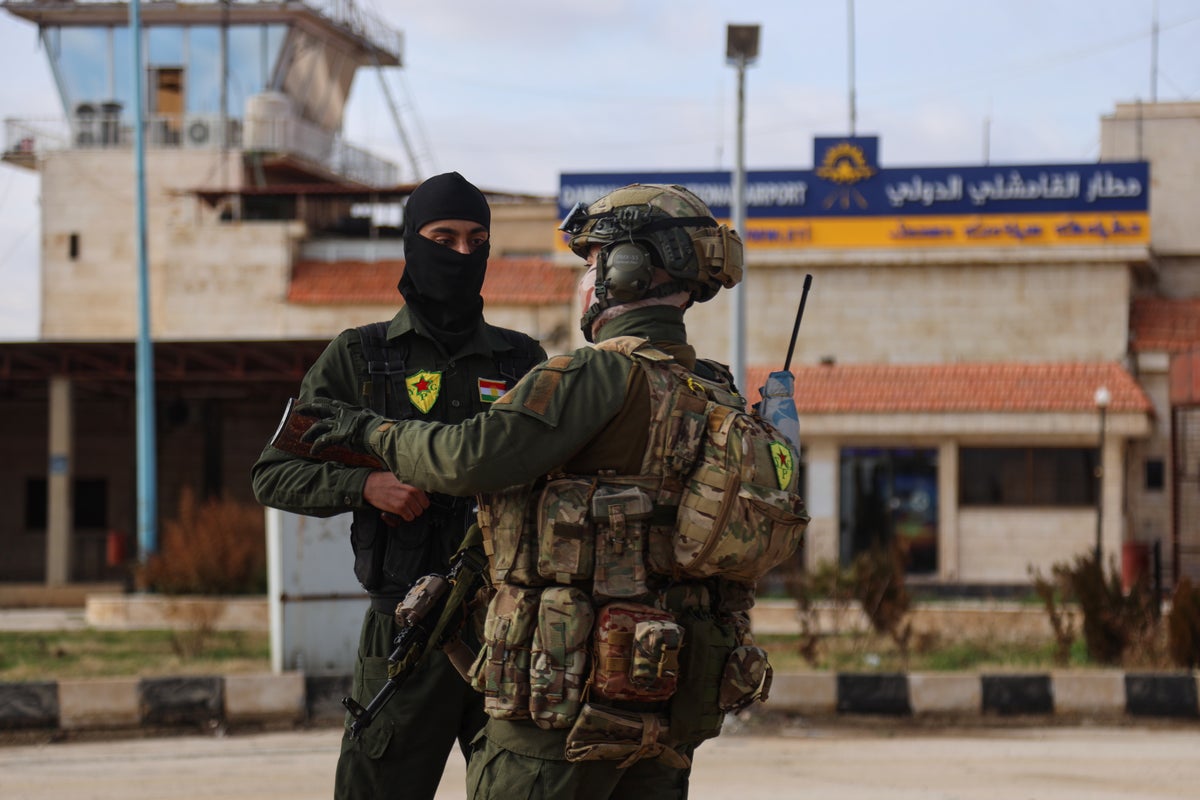
Intelligence sharing in Erbil or Sulaymaniyah isn't about the US telling the Kurds what to do. It’s about the Kurds providing the US with the human intelligence (HUMINT) that the US is incapable of gathering itself. The US pays for that access with air support, diplomatic cover, and cold hard cash.
The "risk" isn't that the Kurds get dragged into a war. The risk is that the US loses interest and leaves the Kurds with a massive bill and a target on their back. The Kurdish leadership knows this. They saw it in 1975. They saw it in 1991. They saw it in 2019. They aren't being fooled; they are simply making the best of a series of terrible options.
Iran's Actual Strategy (And Why the West Misses It)
Tehran doesn't want a "growing war" with the US on Kurdish soil. That would be messy and expensive. Tehran’s goal is "Finlandization." They want the Kurdish regions to be nominally independent but effectively neutered—unable to host Western bases and unwilling to challenge Iranian trade or security interests.
The narrative that the US is "inciting" the Kurds to fight Iran is a gift to Iranian propaganda. It allows Tehran to frame any Kurdish move for autonomy as a "Zionist-American plot." By repeating the "CIA pawn" talking point, Western analysts are doing the IRGC's PR work for them.
The Economic Reality No One Mentions
Follow the money, not the missiles. The Kurdish regions are an economic gateway. For Iran, the KRG is a vital pressure valve to bypass sanctions. For the West, it’s a potential energy hub that isn't controlled by a hostile Baghdad.
The Kurdish forces aren't fighting for "democracy" or "Western values" in a vacuum. They are fighting for the right to control their own borders, tax their own trade, and sell their own oil. If the US helps them do that, they’ll take the help. If the CIA wants to provide signals intelligence to help them avoid an Iranian drone strike, they’ll take that too. But don't mistake a business transaction for a master-slave relationship.
The Flawed Premise of "Stability"
Every "People Also Ask" section on this topic revolves around one question: "How can we stabilize the region?"
The question is a trap. Stability, as defined by the US State Department, often means a strong central government in Baghdad. For the Kurds, a strong central government in Baghdad is the ultimate threat.
The "contrarian" truth is that the US-Kurdish relationship is built on a foundation of mutual exploitation. The US wants a platform to project power; the Kurds want a shield to build a state. Both sides know the other will walk away the moment the cost-benefit analysis shifts.
Stop Looking for a "Victim" Narrative
The Kurds are the most effective non-state military force in the world. They have survived the collapse of empires, the rise and fall of the Caliphate, and the shifting whims of every US President for half a century.
To suggest they are being "dragged" into a war ignores the fact that they have been the primary architects of their own survival. They aren't victims of a CIA plot. They are the ones who invited the CIA to the table because they knew the CIA needed them more than they needed the CIA.
If a war breaks out between the US and Iran, the Kurds won't be "dragged" in. They will be there, on their own terms, protecting their own borders, and making sure that whoever wins owes them a debt they can never fully repay.
Stop reading the tea leaves of "clandestine influence" and start looking at the maps and the ledgers. The Kurds are playing the long game. Washington is just a temporary partner in a permanent struggle.
Go look at the deployment patterns of the Peshmerga along the disputed territories. They aren't positioned to attack Tehran. They are positioned to hold what is theirs. That isn't the behavior of a proxy. It’s the behavior of a nation in waiting.