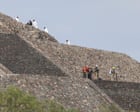
Mexico’s Teotihuacán pyramids represent one of the most breathtaking archaeological sites on the planet. I’ve walked those dusty paths, felt the heat radiating off the stone, and marveled at the sheer scale of the Temple of the Sun. It’s supposed to be a place of history and awe. But recent events have shattered that peace. A Canadian woman was killed after a gunman opened fire near the site, sending shockwaves through the travel community. This isn’t just a tragic headline. It’s a wake-up call for anyone planning a trip to the State of Mexico. You need to know what’s actually happening on the ground before you book that tour.
Travel safety isn't about being paranoid. It's about being informed. When a violent incident occurs at a major tourist hub, the instinct is to either panic and cancel everything or shrug it off as a freak occurrence. Neither helps. The reality sits somewhere in the middle. The Teotihuacán area has generally been considered safe for day-trippers from Mexico City, but the surrounding San Juan Teotihuacán municipality has seen shifts in security dynamics that travelers can’t afford to ignore. If you liked this post, you might want to read: this related article.
What Happened Near the Sun and Moon Pyramids
The incident involved a targeted or spontaneous act of violence that claimed the life of a Canadian citizen. Local authorities and the Mexican National Guard responded, but the damage was done. When you’re at a site that sees millions of visitors annually, you expect a certain level of "tourist bubble" protection. This event proved that the bubble is porous.
Reports indicate the shooting took place in the vicinity of the archaeological zone, not necessarily on the steps of the pyramids themselves. This distinction matters. The areas immediately surrounding the gates—where shops, restaurants, and parking lots sit—don't always have the same high-level surveillance as the inner sanctum of the ruins. Armed robbery and organized crime fragments occasionally bleed into these commercial zones. It’s a harsh reminder that even at a UNESCO World Heritage site, the local socioeconomic climate plays a massive role in your personal safety. For another look on this development, check out the recent update from Travel + Leisure.
The Reality of Travel Warnings in Mexico
Canada’s government and the U.S. State Department maintain high levels of caution for the State of Mexico. They don't do this to ruin your vacation. They do it because the data shows a rise in kidnapping and violent crime in specific regions. While the "Edomex" region (Estado de México) surrounds the capital, it operates under different security protocols.
I’ve seen travelers get complacent. They think because they're in a group or with a guide, they’re invincible. A guide is great for history, but they aren't bodyguards. Most violence in these areas doesn't target tourists specifically, but being caught in the crossfire is a very real risk when criminal groups clash over territory or "taxing" local businesses. The Canadian victim wasn't necessarily the intended target of a grand conspiracy, but she’s just as gone.
Why the Location Matters
Teotihuacán sits about 30 miles northeast of Mexico City. Most people take a bus or a private car, spend four hours climbing rocks, and head back. The danger often spikes during the transit or in the peripheral towns like San Martin de las Piramides.
- Public Transit Risks: Unauthorized taxis or unregulated buses are prime spots for "express kidnappings."
- Off-Peak Timing: Arriving too early or staying past sunset increases your vulnerability significantly.
- Side Quests: Wandering into residential neighborhoods away from the main tourist drag is where police presence drops to zero.
Managing Your Risk Without Living in Fear
You don't have to cancel your trip to Mexico. You just have to stop acting like you’re at a theme park. Mexico City itself is often safer than many major U.S. cities, but the fringes are unpredictable. If you're heading to the pyramids, you need a strategy that goes beyond "hope for the best."
First, ditch the flashy gear. I see people walking around Teotihuacán with $3,000 camera setups and gold jewelry. You’re flagging yourself. In a region where the average monthly wage is a fraction of your lens cost, you're an outlier. Dress down. Look like you belong, or at least like you aren't worth the trouble of a confrontation.
Second, use reputable transport. This is the big one. Don't just hop in a random car because the driver was nice. Use Uber (which is tracked) or hire a driver through a vetted agency in Mexico City. I always tell people to pay the extra $40 for a private, professional driver who waits for you at the site. It’s the cheapest life insurance you’ll ever buy.
The Role of Local Authorities and the National Guard
After a high-profile death like this, you’ll see a massive influx of boots on the ground. The Mexican National Guard usually ramps up patrols to reassure the public. While the sight of soldiers with assault rifles can be jarring, it’s actually when the site is at its safest.
The problem is the "fade effect." Two months from now, the extra patrols will likely be reassigned to the next hotspot. This cyclical nature of security in Mexico means you shouldn't rely on the government to keep you safe. You have to be the primary stakeholder in your own security. Watch the local news. Check the "Mexico City Entrepreneurs" or expat forums on social media. They usually hear about "situations" long before the official travel advisories get updated.
Essential Safety Checklist for Teotihuacán
- Stick to Gate 1 and Gate 2: These are the most heavily trafficked and generally better policed.
- Morning Visits Only: Aim to be out of the area by 2:00 PM. Crime rates in the region statistically climb as the sun goes down.
- No Displays of Wealth: Leave the fancy watch in the hotel safe in Polanco.
- Stay on the Main Paths: The "Avenue of the Dead" is called that for historical reasons, but wandering off into the scrubland behind the pyramids is asking for a different kind of trouble.
Understanding the Bigger Picture in Edomex
The State of Mexico has been struggling with a surge in femicides and cartel-related violence for years. While the pyramids are the crown jewel of the state’s tourism, they aren't immune to the surrounding instability. This isn't a "Mexico is dangerous" trope; it's a "this specific geographic region has active security challenges" fact.
When a foreigner is killed, the international media cares. When locals are killed, it rarely makes the English-language news. Understanding that there is a baseline level of tension in the area helps you maintain the right level of situational awareness. You should be looking at who is around you, noting the exits, and staying aware of the vibe. If something feels off, it probably is. Trust that gut feeling. It’s kept humans alive for millennia.
Communication is Your Lifeline
Keep your phone charged. Buy a local SIM card (Telcel has the best coverage at the ruins) so you aren't relying on spotty roaming. Share your "Live Location" on WhatsApp with a friend back home or at your hotel. If you don't check in by a certain time, someone needs to know exactly where your signal last pinged.
The death of a Canadian tourist at such a legendary site is a tragedy that shouldn't have happened. It exposes the gaps in a system that prioritizes tourist dollars over comprehensive security. But for the traveler, it serves as a stark reminder. Mexico offers some of the most profound cultural experiences on earth, but they come with a price of admission that includes constant, active vigilance.
Practical Steps to Take Now
If you're currently in Mexico City or planning to go, don't just ignore the news. Contact your embassy and register your travel. It takes five minutes and ensures they know you're in the country if things go sideways.
Check your insurance policy. Most standard travel insurance covers medical emergencies, but you need to see if yours includes "Emergency Evacuation" or "Security Assistance." If you're traveling to a region with an active "Avoid Non-Essential Travel" warning, some policies are voided. Read the fine print.
Stop thinking it can't happen to you. That’s the most dangerous mindset a traveler can have. Instead, assume the risks are real and mitigate them. Use the tools available to you. Stay in the light. Keep moving. Teotihuacán is worth seeing, but no pile of ancient stones is worth your life. Stick to the vetted routes and keep your head on a swivel.
Contact your tour operator today and ask specifically about their updated security protocols in light of the shooting. If they give you a vague answer about "everything being fine," find a different operator. You want someone who acknowledges the risk and has a clear plan for how they handle emergencies. Real experts don't sugarcoat the truth. They prepare for it.


