The air in Riyadh during the height of summer feels less like weather and more like a physical weight. It is a dry, relentless heat that presses against the glass of the city’s soaring skyscrapers, forcing the world indoors into the humming, chilled silence of marble corridors. In these spaces, where the scent of expensive oud lingers long after a person has left the room, the most consequential decisions are rarely shouted. They are whispered. Or, as the Saudi government recently insisted to the global press, they aren't said at all.
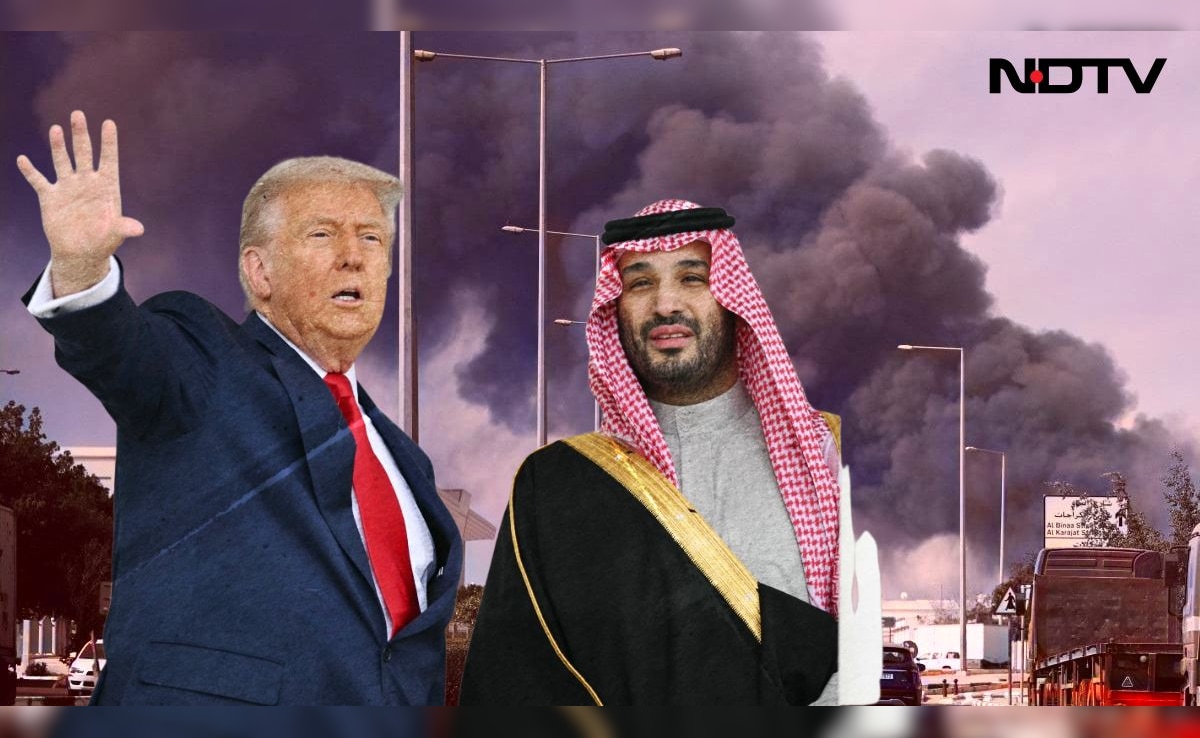
For days, a specific set of whispers had been echoing through the international corridors of power. The rumor was precise, jagged, and dangerous: Saudi officials had supposedly been whispering in the ear of Donald Trump, urging him to take the ultimate step—a military strike against Iran.
Then came the denial. It was swift. It was firm. It was a categorical rejection of the idea that the Kingdom was acting as a silent architect of a new Middle Eastern war.
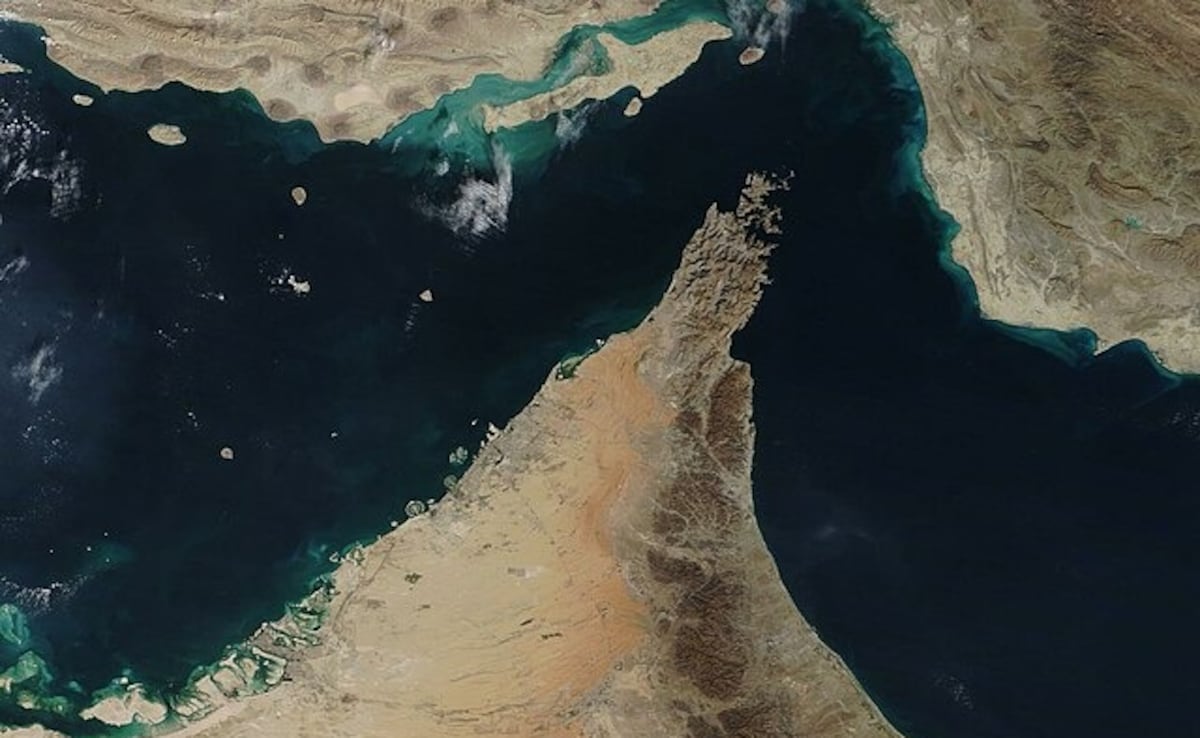
To understand why this denial matters, you have to look past the ink on the page and into the nervous system of global geopolitics. When a superpower and a regional heavyweight talk, the world holds its breath. We are not just talking about press releases or diplomatic cables. We are talking about the price of the gasoline in your car, the stability of the phone in your pocket, and the literal lives of millions of people living across a thin stretch of blue water known as the Persian Gulf.
The Architecture of a Rumor
Imagine a high-stakes poker game where the players have been sitting at the table for forty years. They know each other’s ticks. They know who is bluffing. Saudi Arabia and Iran aren't just neighbors; they are the two poles of a fractured region, locked in a cold war that defines everything from the civil war in Yemen to the price of crude oil.
When reports surfaced suggesting that Riyadh was pushing the Trump administration toward an attack, it wasn't just another headline. It was an accusation of arson. To suggest that one nation is goading another into a strike is to suggest that the delicate balance of "deterrence"—the art of being scary enough to not be hit—has finally snapped.
The Saudi response was not just a "no." It was a defense of their own strategic sanity. The Kingdom’s officials are well aware of the optics. In the eyes of much of the West, there is a lingering caricature of Middle Eastern states as eager to draw the United States into their local feuds. By issuing a flat denial, Riyadh was attempting to dismantle that narrative. They weren't just denying a meeting; they were denying a philosophy.
The stakes are invisible until they aren't. We see them in the sudden spike of insurance premiums for oil tankers. We see them in the frantic reshuffling of state department briefings. But for a family living in a coastal city like Dammam or an industrial hub like Jubail, these rumors aren't political fodder. They are a question of whether the sky will remain clear or fill with the smoke of intercepted missiles.
The Trump Variable
Donald Trump changed the physics of the room. His "Maximum Pressure" campaign against Tehran was a radical departure from the diplomatic maneuvering of the previous administration. For the Saudi leadership, this was a moment of profound alignment. They saw a Washington that finally viewed the Iranian threat through the same lens they did.
But alignment is not the same as instigation.
There is a massive difference between cheering from the sidelines and handing someone a weapon. The reports claimed that Saudi officials saw a window of opportunity—a chance to use American kinetic power to settle a generational score. The denial serves to remind the world that the Kingdom has its own "Vision 2030" to protect. You cannot build a global hub for tourism and technology if your neighbor's backyard is on fire.
Consider the logistics of such a request. If a Saudi envoy were to actually ask for a strike, they would be betting the entire future of their monarchy on the outcome. War is unpredictable. It is a chaotic monster that rarely stays in the cage you build for it. The Kingdom knows that if a strike occurred, the retaliation wouldn't just land on Washington; it would land on them.
The Ghost of 2019
To find the emotional core of this denial, we have to look back to a single morning in September 2019. In a matter of minutes, a swarm of drones and cruise missiles slammed into the Abqaiq and Khurais oil processing facilities. Half of Saudi Arabia’s oil production vanished overnight.
The world expected a massive American retaliation. It never came.
That silence from Washington was a turning point. It taught the region a hard lesson: your allies might have the biggest guns, but they aren't always looking to fire them on your behalf. Since then, the Kingdom’s strategy has shifted. It has become more nuanced, more focused on regional de-escalation, even as it maintains a hard line against its rivals.
This context makes the reports of "lobbying for an attack" feel like a throwback to an older, simpler era of diplomacy—one that Riyadh claims to have outgrown. The denial is a statement of maturity. It says: "We are not the ones looking for a fight we can't finish."
The Weight of the Word
When a government says "reports are categorically false," they are speaking to two audiences at once.
First, they are speaking to the international community. They are signaling that they are responsible actors who follow the rules of the road. They want to ensure that if a conflict does break out, the blame doesn't land at their feet. They are managing their "brand" in a world that is increasingly skeptical of traditional alliances.
Second, and perhaps more importantly, they are speaking to Tehran. In the shadow-boxing of Middle Eastern politics, a denial can be a form of communication. By publicly stating they are not pushing for war, Riyadh is subtly lowering the temperature. It is a way of saying, "We are not the ones who started this cycle."
The problem with rumors in this part of the world is that they have a life of their own. They grow in the dark. Even when they are debunked, the scent of them remains. People remember the accusation long after they’ve forgotten the correction. That is the true cost of these reports—they create a "fact on the ground" of suspicion that can take years to wash away.
Why We Should Care
It is easy to look at a headline about Saudi-Iran relations and think of it as a distant chess game played by people in gold-trimmed robes and tailored suits. But the board they are playing on is the world we live in.
If these reports were true, it would mean the world’s largest oil exporter was actively seeking to ignite a conflict in the most volatile energy corridor on the planet. The economic fallout alone would be enough to trigger a global recession, shuttering businesses from London to Tokyo.
If the denial is true—and there is a mountain of strategic logic to suggest it is—it means we are seeing a Kingdom that is prioritizing its internal transformation over external aggression. It means the "new" Middle East is more interested in dividends than dogfights.
The truth often lies in the friction between what is said and what is done. While the headlines scream about lobbying and attacks, the reality is often found in the quiet work of rebuilding economies and securing borders. The Saudi denial isn't just a rebuttal of a specific news story; it is an attempt to reclaim the narrative of their own future.
The marble halls remain silent. The air conditioners continue to hum against the desert heat. Outside, the world continues to churn, fueled by the very oil that these rumors threaten to ignite. We are left to weigh the words of diplomats against the history of the region, searching for a signal in all the noise.
In the end, the most powerful thing a nation can do isn't to start a war, but to prove that it is strong enough to avoid one.
Would you like me to look into the specific history of the "Maximum Pressure" campaign to see how it influenced these diplomatic rumors?