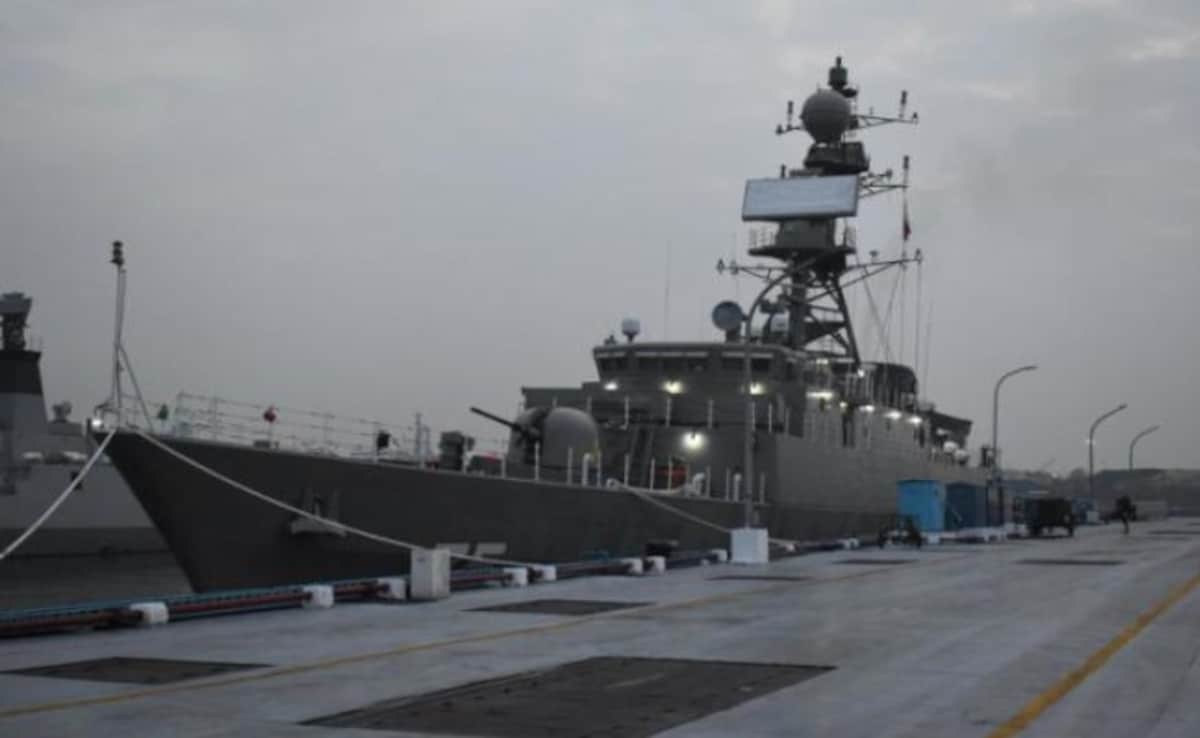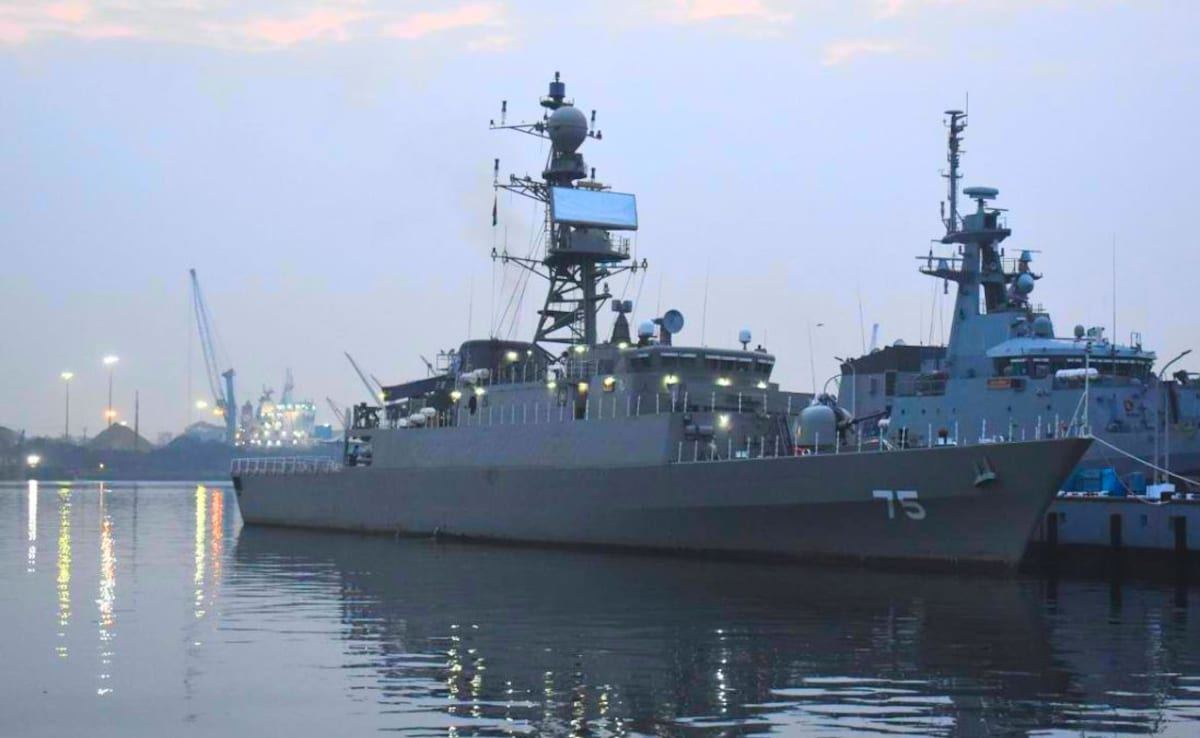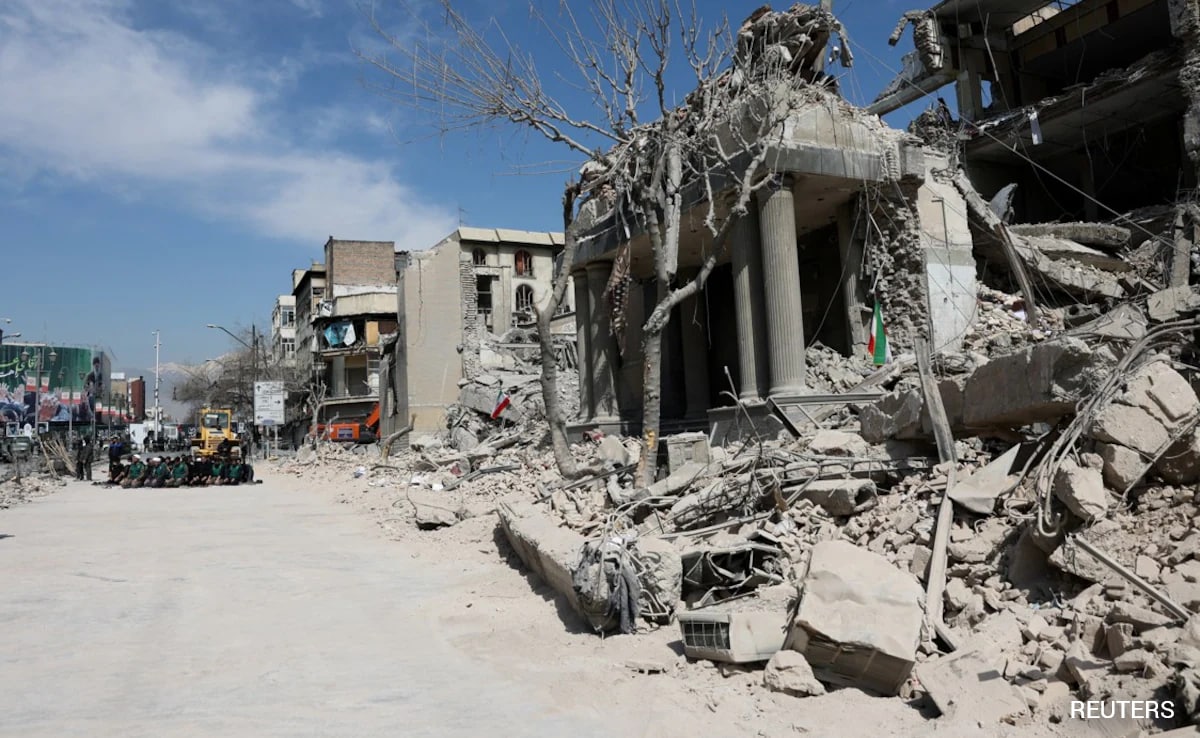
The shadow war between the Islamic Republic of Iran and the alliance of the United States and Israel recently hit a fever pitch, characterized by direct missile exchanges and a total breakdown of traditional regional deterrence. While the world watched the skies over Tehran and Tel Aviv, a desperate, high-stakes diplomatic gamble was unfolding behind the scenes. Intelligence officials within Iran’s Ministry of Intelligence and the Islamic Revolutionary Guard Corps (IRGC) reportedly reached out to CIA intermediaries with a quiet offer of a "truce"—an olive branch extended at the precise moment American and Israeli ordnance was hitting Iranian soil.
This was not a gesture of peace. It was an act of survival.
The primary driver behind this sudden outreach was a realization within the Iranian intelligence apparatus that their conventional military shield had been punctured. For years, Iran relied on the "Ring of Fire"—a network of proxies in Lebanon, Iraq, Yemen, and Gaza—to keep the conflict far from its borders. When Israel began systematically dismantling Hezbollah’s leadership and the U.S. provided the logistical and kinetic backbone for defensive operations, the IRGC found itself exposed. The outreach to the CIA was an attempt to decouple the "Great Satan" (Washington) from the "Zionist Entity" (Israel) to prevent a total regime-threatening bombardment.
The Mechanics of a Forced Outreach
Intelligence agencies do not operate in a vacuum of ideology. They operate on the cold math of assets and liabilities. The reports indicating that Iranian spies offered a "de-escalation roadmap" to the CIA suggest that a pragmatic faction within Tehran feared the supreme leadership was sleepwalking into a war it could not win. These intermediaries did not use official diplomatic channels or the Swiss embassy in Tehran. Instead, they utilized established backchannels in Muscat and Doha—cities that have long served as the silent switchboards of Middle Eastern espionage.
The Iranian proposal allegedly centered on a promise to rein in regional militias in exchange for a hard limit on Israeli retaliatory strikes. By dangling the prospect of a quieter Iraq and a restrained Hezbollah, Tehran hoped to convince the White House to "pull the leash" on Jerusalem. It was a classic intelligence play: offer a temporary tactical gain to avoid a strategic catastrophe.
However, the timing made the offer nearly impossible for Washington to accept. The Biden administration, while publicly calling for restraint, faced a reality where Iran’s "olive branch" looked more like a white flag of convenience. In the eyes of U.S. intelligence analysts, Iran wasn't seeking a new era of cooperation; it was seeking a "timeout" to regroup its shattered proxy network.
The Credibility Gap in Iranian Intelligence
The core problem with the Iranian outreach is the fragmented nature of the Iranian state. The Ministry of Intelligence (MOIS) often finds itself at odds with the IRGC’s Intelligence Organization (SAS). When a "spy" offers a deal to the CIA, the immediate question in Langley is: Who do you actually represent? In this instance, the outreach appeared to come from circles closer to the civilian government and the professional intelligence wing, rather than the hardline ideological commanders of the IRGC. This internal friction creates a dangerous environment for diplomacy. If the U.S. agrees to a deal with one faction, the other faction may launch a drone strike the next day to sabotage the agreement and maintain its own domestic power.
The Israeli Factor
While the U.S. evaluates these whispers, Israel remains an independent, often volatile variable. The Israeli cabinet has made it clear that it no longer views the "status quo" of proxy warfare as acceptable. For decades, the unspoken rule was that Iran could attack Israel via Lebanon, and Israel would hit back in Lebanon. That rule died on October 7, and its burial was finalized when Iran launched hundreds of ballistic missiles directly from Iranian soil in April and October.
Israel’s intelligence service, the Mossad, has likely monitored these backchannel overtures with deep skepticism. From the perspective of Israeli leadership, any U.S. engagement with Iranian "moderates" is a trap. They argue that providing Tehran with a diplomatic off-ramp only allows the regime to survive long enough to complete its nuclear program.
The Failure of the Proxy Shield
To understand why Iranian spies felt compelled to contact the CIA, one must look at the wreckage of Hezbollah. For thirty years, Hezbollah was the ultimate insurance policy for Tehran. If Israel hit Iran, Hezbollah would level Tel Aviv with 150,000 rockets.
In a matter of weeks, that insurance policy was liquidated. The pager explosions, the assassination of Hassan Nasrallah, and the decapitation of the Radwan Force command structure left Iran naked. Without a credible threat of a second front in the north, Iran’s only remaining defense was its own air defense systems—which proved largely ineffective against fifth-generation stealth fighters and long-range stand-off missiles.
The "olive branch" was a direct result of this military asymmetry. When your primary weapon is broken, you pick up the phone. The Iranian intelligence community, being more grounded in the reality of their technical limitations than the religious hardliners, saw the writing on the wall. They knew that a direct, unmitigated air campaign from the U.S. and Israel would target the energy infrastructure and, eventually, the leadership bunkers.
The Intelligence Dilemma for the CIA
For the CIA, the outreach is a "black swan" event. On one hand, it represents a goldmine for intelligence gathering. Every conversation with an Iranian official is an opportunity to learn about the regime's internal fissures. On the other, it is a minefield. Accepting a deal with an Iranian "spy" who cannot deliver on his promises is a recipe for a diplomatic disaster.
The CIA’s response, as filtered through the State Department and the White House, has been one of cold pragmatism. The U.S. has signaled that it will talk, but it will not stop the Israeli campaign unless Iran takes verifiable steps to permanently de-escalate—steps that include stopping the shipment of drones to Russia for the war in Ukraine and ending its support for Houthi attacks on global shipping.
The Russian and Chinese Interventions
Another layer to this complex tapestry of espionage is the role of Moscow and Beijing. Both have deep interests in keeping the U.S. bogged down in a Middle Eastern quagmire. If Iran were to pivot toward a functional "olive branch" with the U.S., Russia would lose a critical source of weaponry (Shahed drones) and a key ally in diverting American attention away from Eastern Europe.
The Iranian intelligence community is acutely aware of its dependence on Russian satellite data and Chinese electronic warfare capabilities. This creates a "triple-bind" for any Iranian spy trying to negotiate with the CIA. They are squeezed between their own internal hardliners, their international patrons in the "Axis of Resistance," and the overwhelming military power of the West.
Why the De-escalation Failed
The primary reason this "olive branch" did not stop the rain of fire on Tehran is a total collapse of trust. For decades, both sides have engaged in a cycle of "talk-and-fight." The U.S. remembers the 2015 JCPOA (Nuclear Deal) as a missed opportunity for Iran to join the global community, while Tehran remembers it as a betrayal when the U.S. withdrew in 2018.
When the IRGC intelligence officers reached out, the U.S. response was essentially: We have heard this before. Without tangible, on-the-ground changes in Iranian behavior—such as the release of Western hostages or the silencing of the Houthi missile batteries—the CIA viewed the offer as a stall tactic. Israel, meanwhile, viewed the talks as a green light to intensify their strikes, believing that the very fact Iran was begging for a deal proved the effectiveness of the military pressure.
The Brutal Reality of Regional Deterrence
The current conflict has rewritten the rules of engagement. Deterrence is no longer about maintaining a "balance of power." It is about establishing "dominance of escalation." Israel has shown it is willing to hit the center of Tehran, and the U.S. has shown it is willing to deploy the B-2 stealth bomber to strike Houthi underground bunkers—a clear signal to Iran that no facility is safe.
In this environment, the work of a "spy" offering peace is almost obsolete. Intelligence is now used to pick targets, not to build bridges. The Iranian outreach was a signal of desperation from a faction that realizes the old world is gone. The "olive branch" is a thin, brittle twig in a forest fire.
The Middle East is currently witnessing the dismantling of the post-1979 regional order. The Iranian regime’s attempts to use its intelligence apparatus to buy time are a reflection of a system that is running out of options. As the missiles continue to fly and the backchannels grow colder, the only remaining question is how much more "fire" the regime can endure before the internal pressure becomes as dangerous as the external one.
The "olive branch" was not a new beginning. It was the last gasp of a strategy that has finally met its match in the reality of superior technology and a total lack of diplomatic patience.