The air in the diplomatic corridors of Islamabad usually smells of expensive cologne and old tea. But lately, there is a sharper scent: anticipation. It is a nervous, electric energy that hums through the halls of power whenever the name Donald Trump is mentioned. For years, the relationship between Washington and Islamabad has felt like a long-distance marriage sustained by necessity but poisoned by a lack of trust. Now, a single promise hangs in the air like a heavy rain cloud, threatening to break a long drought or cause a flood.
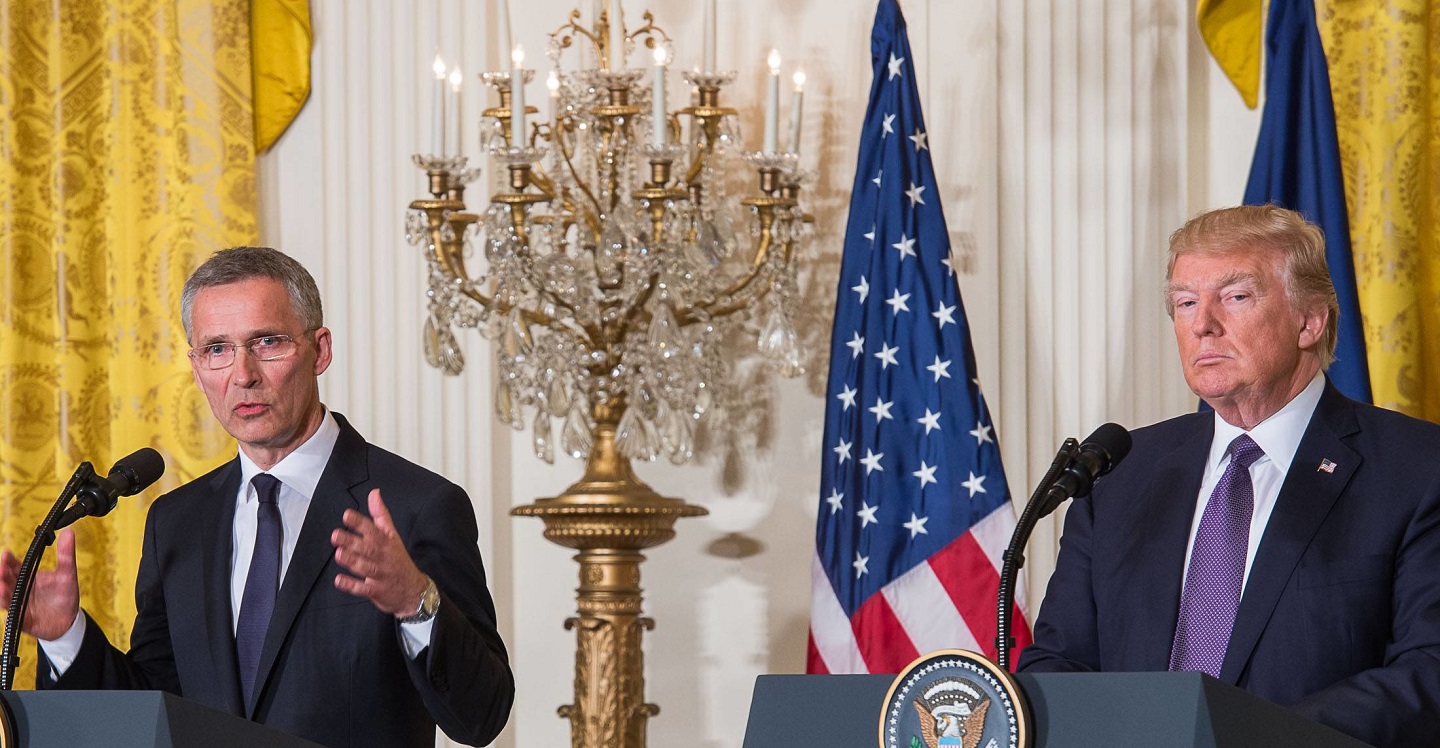
Donald Trump is ready to pack his bags. He has said it himself. He wants to go to Pakistan.
But in the high-stakes theater of global geopolitics, a plane ticket is never just a piece of paper. It is a contract. For Trump, the journey from the White House to the Prime Minister’s house in Islamabad isn't measured in miles. It is measured in results.
The Invisible Ledger
Imagine a shopkeeper in a small village who has extended credit to a neighbor for a decade. The neighbor keeps promising to pay, and the shopkeeper keeps providing the goods because he knows the neighbor is the only one who can keep the local troublemakers from burning the shop down. That is the fundamental, messy reality of the U.S.-Pakistan relationship.
The United States needs Pakistan to secure the "neighborhood"—specifically, the porous, jagged border with Afghanistan. Pakistan, in turn, needs the validation and the financial lifeline that only a superpower can provide. But the ledger is currently out of balance.
When Trump speaks of visiting, he isn't talking about a sightseeing tour of the Faisal Mosque or a quiet dinner in the Margalla Hills. He is talking about a transaction. The "condition" he has laid out isn't a secret, yet it carries the weight of a thousand unspoken threats. He wants more than just words. He wants the "great relationship" he often touts to be backed by a decisive, visible shift in how Pakistan handles the militants operating within its shadows.
The Ghosts in the Room
To understand why this visit matters, you have to look at the ghosts that haunt the room whenever American and Pakistani officials sit down to talk. There is the ghost of 2011, when a team of Navy SEALs flew into Abbottabad without an invitation. There is the ghost of billions of dollars in "Coalition Support Funds" that the U.S. believes were pocketed while the problem grew worse.
When Trump says he will go to Pakistan if the conditions are right, he is trying to exorcise these ghosts. He is using his own presence as the ultimate bargaining chip. In the world of Donald Trump, the "Brand" is everything. By offering to bring that brand to Islamabad, he is offering a level of legitimacy that the Pakistani establishment craves more than almost anything else.
But it is a double-edged sword.
Consider the pressure on the Pakistani leadership. To meet Trump's demands, they must navigate a minefield of internal politics, religious sensitivities, and a military apparatus that has its own long-term vision for the region—one that doesn't always align with the view from the Oval Office. If they do too much, they risk a domestic uprising. If they do too little, the door to the West slams shut.
A Game of High-Stakes Poker
The rhetoric coming out of Washington has shifted from the cold, clinical language of diplomacy to the blunt force of a business negotiation. There is no "fostering of mutual cooperation" here. There is only the Deal.
The Deal is simple: Deliver us a stable Afghanistan, stop the cross-border movement of those we call enemies, and I will give you the handshake the world is watching for.
It sounds straightforward on a teleprompter. It is agonizingly complex in the dirt and heat of the Khyber Pass. For the soldier on the ground, these high-level conditions translate into more patrols, more risk, and more uncertainty. For the average citizen in Lahore or Karachi, a Trump visit is a symbol of either a new era of prosperity or a further descent into being a "client state."
The irony is that both sides are desperate for the same thing: an exit strategy. The U.S. wants out of a twenty-year war that has drained its coffers and its spirit. Pakistan wants out of the "gray list" of nations suspected of funding terror, a designation that suffocates its economy like a slow-tightening noose.
The Human Cost of the Wait
While the leaders haggle over conditions and protocols, the reality of the stalemate is felt in the markets. The Pakistani Rupee flutters like a wounded bird. Investors watch the news, waiting for a sign that the country is "open for business" or about to be sanctioned into the stone age.
A presidential visit acts as a giant green light for global capital. It tells the world that the risk has been mitigated, that the alliance is solid, and that the future is predictable. Without that light, the country remains in a state of suspended animation.
Trump knows this. He understands the power of the spotlight. By dangling the possibility of a visit, he is holding a magnifying glass over the cracks in the Pakistani strategy. He is forcing a choice that has been avoided for decades.
The Weight of the Handshake
What happens if he actually goes?
Picture the scene. The motorcade winding through the streets, the flags of both nations flying side by side, the choreographed smiles in front of the cameras. For that moment, the tension would vanish. The markets would rally. The narrative would shift from "conflict" to "partnership."
But the cameras eventually turn off. The motorcade heads back to the airport. And that is when the real danger begins. A visit built on a fragile condition is a house of cards. If the "results" Trump demands don't materialize shortly after the wheels of Air Force One leave the tarmac, the backlash would be swifter and more brutal than if he had never come at all.
This isn't about a trip. It's about a reckoning.
The world watches not because they care about the logistics of a state visit, but because they recognize the pattern. We are watching two entities—one a fading but still fierce superpower, the other a nuclear-armed nation at a crossroads—trying to decide if they can still be friends, or if they have become too different to even pretend anymore.
The condition isn't just about security or militancy. It is about whether or not a promise still means anything in a world where everyone is looking for the exit.
The plane is fueled. The route is planned. The world is waiting. But in the quiet offices of Islamabad, the light stays on late into the night, as officials try to figure out if the price of the handshake is a cost they can actually afford to pay.