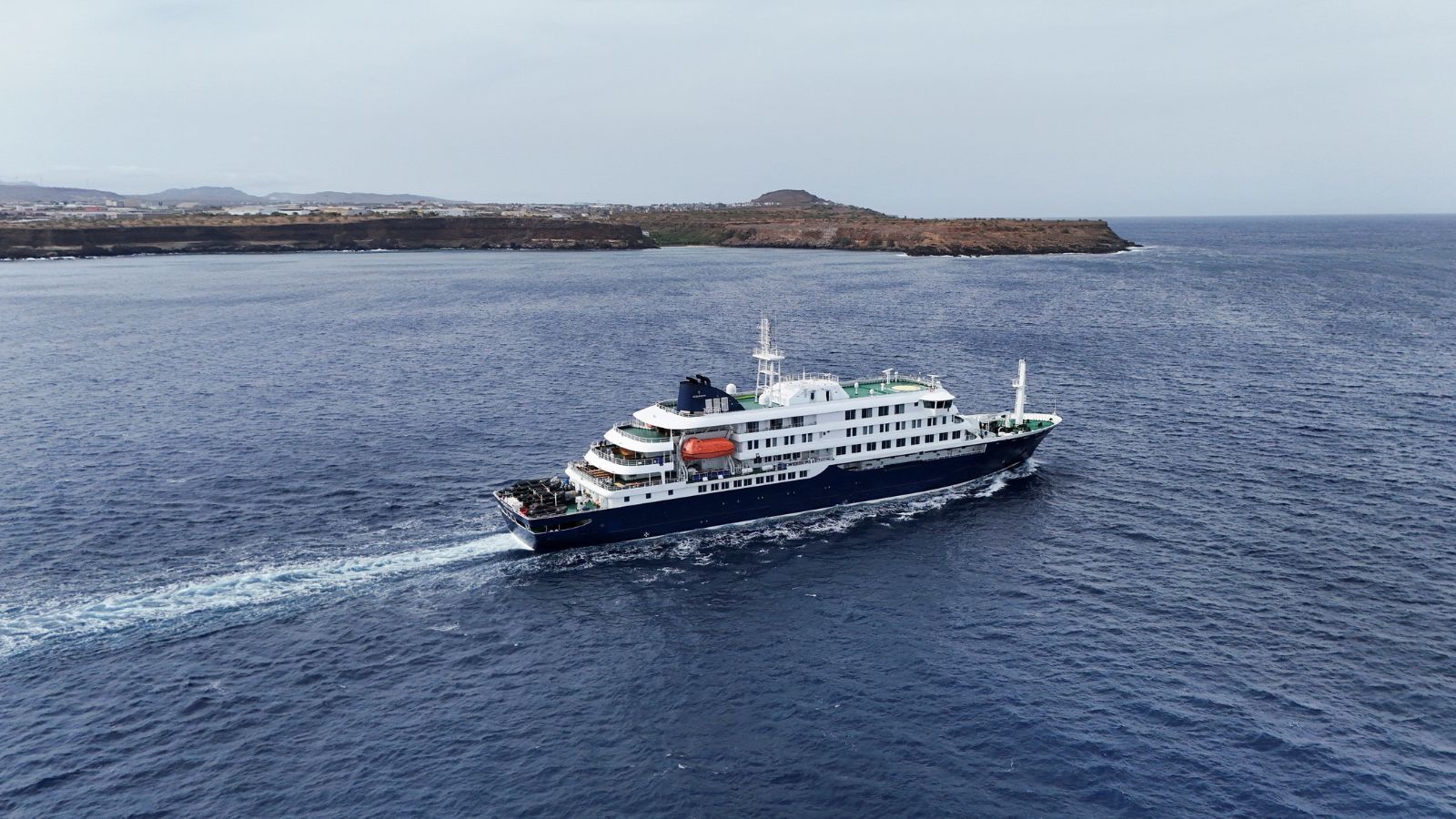
The World Health Organization (WHO) intervention in maritime hantavirus outbreaks represents a critical shift from standard port health protocols to high-stakes biocontainment operations. Traditional cruise ship hygiene focuses on norovirus or respiratory pathogens spread via droplets; hantavirus introduces a complex zoonotic transmission vector that renders standard maritime sanitation cycles ineffective. Managing the extraction of thousands of passengers and crew from a contaminated vessel requires a tri-layered strategy: environmental stabilization, tiered diagnostic filtering, and a controlled transition from shipboard isolation to terrestrial quarantine.
The Hantavirus Transmission Matrix in Maritime Logistics
Hantavirus Pulmonary Syndrome (HPS) and Hemorrhagic Fever with Renal Syndrome (HFRS) are primarily driven by the aerosolization of excreta from infected rodents. On a cruise ship—a closed environment with centralized HVAC systems and intricate interstitial spaces—the risk profile scales non-linearly. Unlike human-to-human viruses, the hantavirus "threat surface" is the physical infrastructure itself.
Standard maritime HVAC systems are designed for comfort and energy efficiency, often recirculating a percentage of air to maintain temperature. In a hantavirus-stricken vessel, these systems become distribution networks for viral particles. The WHO’s oversight focuses on the Viral Persistence Coefficient, which determines how long aerosolized particles remain viable on porous surfaces like upholstery and carpeting.
The primary challenge lies in the Infection-to-Detection Lag. Hantavirus incubation periods range from one to eight weeks. An evacuation conducted without rigorous longitudinal tracking guarantees the export of the virus to the passengers' home jurisdictions. The WHO intervention is not merely about getting people off the ship; it is about establishing a synchronized data-bridge between the ship’s manifest and global public health surveillance systems.
The Three Pillars of Controlled Maritime Extraction
A successful evacuation under WHO guidance utilizes a specific operational framework to prevent "seepage"—the accidental release of potentially infected individuals into the general population before their status is confirmed.
1. Environmental Stabilization and Vector Elimination
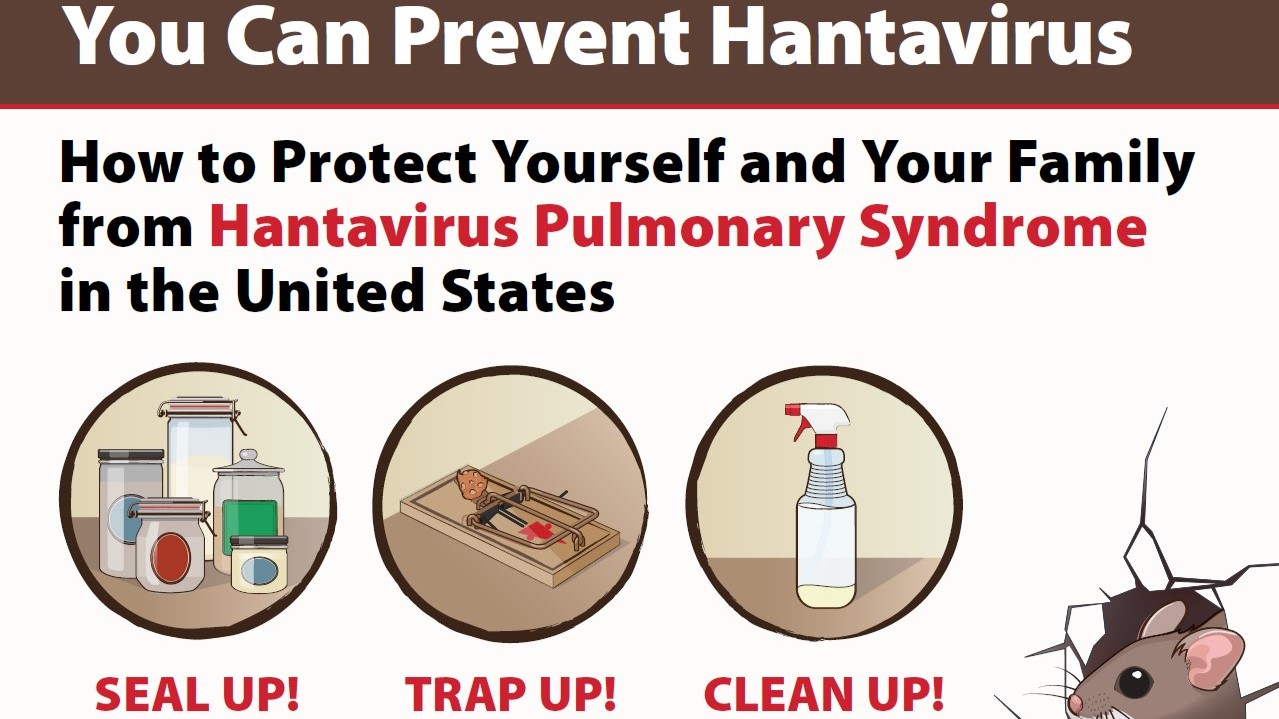
Before any passenger moves, the ship must undergo a "hot-zone" audit. This involves the immediate cessation of all vacuuming and dry-sweeping activities, which would further aerosolize the virus. Professional remediation teams must apply a 10% bleach solution or equivalent virucidal agents to all high-traffic areas. The critical path here is the identification of the rodent breach point. If the ship’s dry-storage or waste-processing areas are compromised, the entire food supply chain is considered a biohazard.
2. Tiered Diagnostic Filtering
Evacuation cannot be a binary process. Passengers are categorized into three distinct risk tiers based on proximity to the identified breach and physiological markers:
- Tier 1 (Symptomatic): Immediate medical airlift to biocontainment units. These individuals require high-flow oxygen or extracorporeal membrane oxygenation (ECMO) due to the rapid onset of pulmonary edema characteristic of HPS.
- Tier 2 (High-Proximity): Individuals who occupied cabins or workspaces in the same ventilation zone as the rodent activity. These require mandatory 21-day institutional quarantine.
- Tier 3 (General Population): Individuals with low probable exposure. These may be eligible for "monitored home isolation," provided their home jurisdictions can support daily physiological reporting.
3. Logistical Chain of Custody
The transition from ship to shore is the point of highest failure probability. The WHO establishes a "sterilized corridor"—a physical barrier system that prevents contact between the evacuees and port workers. Bus and air transport must be dedicated, with drivers in full Personal Protective Equipment (PPE) and vehicles undergoing deep disinfection between every shuttle run.
The Cost Function of Maritime Biosecurity Failure
The economic impact of a WHO-supervised evacuation extends far beyond the immediate medical costs. The "Stigma Discount" applied to a vessel post-contamination can devalue a maritime asset by 40% or more within a single fiscal year.
$C_{total} = C_{m} + C_{l} + C_{r} + C_{o}$
Where:
- $C_{m}$ represents medical and evacuation logistics.
- $C_{l}$ represents legal liability and passenger compensation.
- $C_{r}$ is the cost of comprehensive dry-dock remediation.
- $C_{o}$ is the opportunity cost of the vessel being out of service.
The primary driver of $C_{l}$ is the failure of the cruise line to maintain a "vermin-free environment" as mandated by the International Health Regulations (2005). When the WHO assumes oversight, it indicates a breakdown in the ship’s internal Safety Management System (SMS). This shift in authority creates a massive legal vulnerability for the operator, as it provides a third-party validation of systemic negligence.
Strategic Bottlenecks in International Coordination
The second limitation of these operations is the friction between international health mandates and national sovereignty. While the WHO provides the technical framework, the "Port of Refuge" often resists docking due to the perceived risk to its own population. This creates a diplomatic bottleneck where a ship may remain at sea while symptoms among the crew and passengers worsen.
The WHO mitigates this by providing Biocontainment Assurance. This is a technical guarantee that the evacuation will adhere to Level 3 biosafety standards (BSL-3). By standardizing the decontamination protocols, the WHO lowers the political cost for a host nation to accept the vessel.
The physical mechanics of the evacuation involve:
- Negative Pressure Integration: If possible, temporary negative pressure modules are installed at the gangway to ensure air flows into the ship, not out toward the pier.
- Manifest Digitization: Every passenger is assigned a unique biometric ID linked to their health status. This prevents "manifest drift," where individuals are lost in the chaos of a mass transit event.
- Waste Stream Management: All bio-waste generated during the evacuation, including discarded PPE and medical supplies, must be autoclaved or incinerated on-site. Traditional municipal waste systems are not equipped to handle hantavirus-contaminated materials.
The Mechanics of Hantavirus vs. Respiratory Viruses
Most cruise ship protocols are built for the $R_{0}$ (Basic Reproduction Number) of viruses like Influenza or SARS-CoV-2. Hantavirus operates differently. Its $R_{0}$ among humans is statistically near zero for most strains, but its Case Fatality Rate (CFR) is significantly higher—often ranging from 35% to 40%.
This high CFR dictates a shift from "containment of spread" to "prevention of exposure." In a COVID-19 scenario, the goal is to flatten the curve. In a hantavirus scenario, the goal is to prevent a single new exposure. The "dose-response" relationship for hantavirus is poorly understood, but evidence suggests that even minimal inhalation of dust from dried rodent urine can trigger a fatal cytokine storm in healthy adults.
This creates a psychological burden on the crew. Unlike a cold or flu, there is no "mild" version of HPS. The WHO intervention must therefore include a mental health component to prevent a total breakdown in shipboard order during the final days of the onboard quarantine.
Long-term Structural Implications for the Cruise Industry
The presence of the WHO on a commercial vessel signals a new era of "Health-First" maritime regulation. Future ship designs will likely need to incorporate "quarantine-ready" features, such as the ability to isolate specific ventilation zones and the installation of HEPA-grade filtration as a standard rather than an upgrade.
The reliance on manual inspections for rodent activity is a systemic weakness. The WHO’s data-driven approach suggests a transition toward IoT-enabled Pest Surveillance. Smart sensors capable of detecting rodent movement in real-time within the "void spaces" of a ship would allow for intervention long before a virus reaches the human population.
The immediate tactical move for any maritime operator facing a zoonotic threat is the total suspension of all passenger movement. Any delay in calling for international oversight once a rodent-vectored pathogen is confirmed increases the eventual $C_{total}$ exponentially. The WHO does not just provide medical expertise; it provides the logistical "shield" necessary to navigate the legal and political fallout of a major biosecurity breach.
The final operational directive in these cases is the Post-Evacuation Validation. Once the ship is empty, it remains a biohazard until a "Sero-Negative Certification" is issued. This involves intensive sampling of the ship’s dust, air filters, and surfaces. Only when biological indicators show zero viral activity can the vessel be returned to the commercial fleet.
Operators must prioritize the implementation of a dual-track response system: one team focused on the immediate medical triage of the passengers, and a second "Red Team" focused exclusively on the forensic identification of the vector source. Failure to identify the entry point of the rodents ensures that the remediation is temporary, leaving the vessel's future viability in doubt. The WHO’s presence is the ultimate indicator that the internal systems failed; the path forward requires a complete rebuild of the ship’s biological safety architecture.