The global energy market just breathed a massive, collective sigh of relief. If you’ve looked at the news in the last few hours, you know that oil prices have fallen off a cliff. Not because of a sudden surplus or a dip in demand, but because the world’s most dangerous maritime bottleneck—the Strait of Hormuz—is suddenly "completely open" for business again.
For weeks, we’ve watched Brent crude flirt with the $120 mark. It was stressful. It was expensive. And honestly, it felt like we were one bad headline away from a global recession. But on April 17, 2026, Iranian Foreign Minister Abbas Araghchi pulled the pressure valve. He announced that in line with the ceasefire in Lebanon, all commercial vessels are now clear to transit the strait.
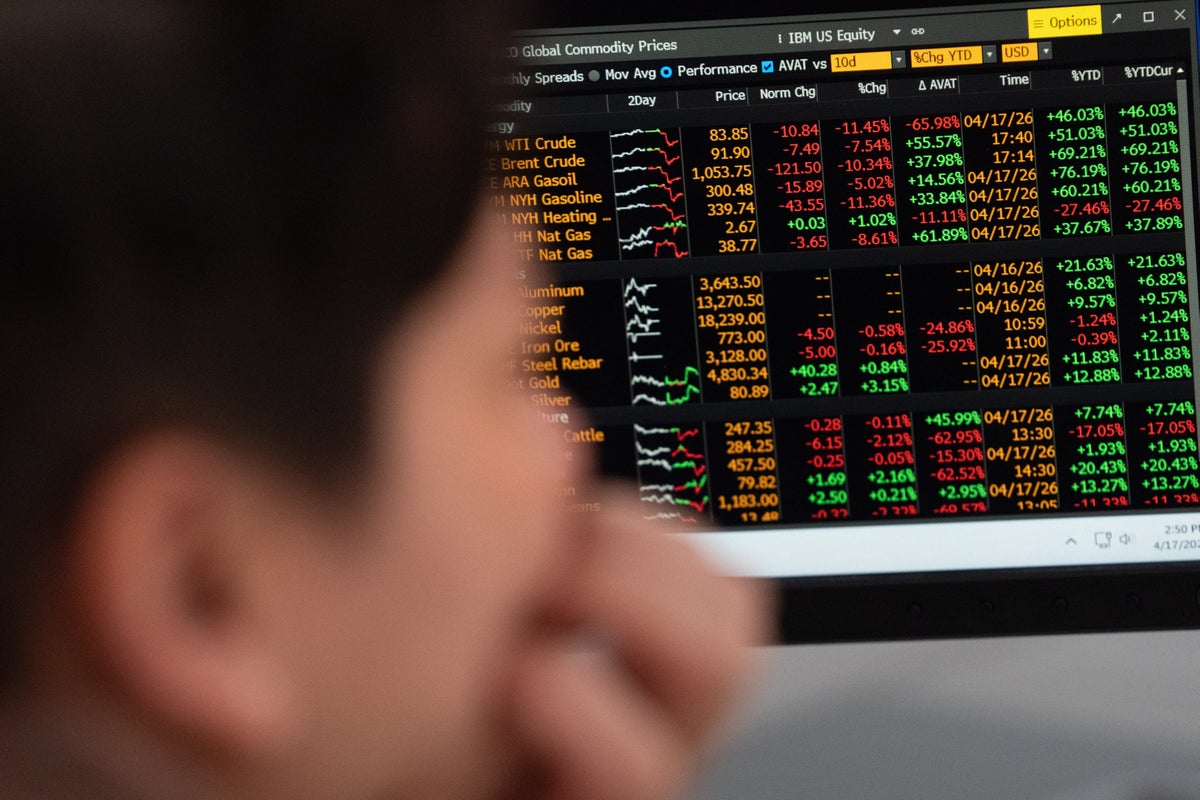
The market response was instant. Brent crude futures plummeted by about 9%, crashing down to $90.93 a barrel. WTI took an even bigger hit, sliding over 10% to settle around $84.95. This isn't just a minor correction; it's a total recalibration of risk.
The 20 million barrel problem
To understand why the market is reacting like this, you have to look at the sheer scale of what happens in that tiny strip of water. The Strait of Hormuz is only 21 nautical miles wide at its narrowest point. Yet, nearly 20 million barrels of oil pass through it every single day. That’s roughly 20% of the world’s total consumption.
When Iran effectively shut down the route in late February 2026—following military strikes from the U.S. and Israel—global supply didn't just tighten; it evaporated. According to the IEA, tanker traffic through the route dropped to almost zero by late March. Imagine trying to run a global economy when a fifth of your fuel is stuck behind a geopolitical wall. It doesn't work.
But this reopening isn't just about volume. It’s about trust. The fact that Iran is allowing commercial traffic again suggests a cooling of tensions, even if it's only temporary. Markets hate uncertainty more than they hate high prices. The moment the "completely open" statement hit X (formerly Twitter), the "fear premium" that traders had baked into every barrel started to evaporate.
What this means for your wallet
If you’re wondering when you’ll feel this at the gas station, the answer is: soon. In fact, AAA data is already showing a slight dip. National averages for regular gas fell to $4.08 per gallon on Friday, down from a peak of $4.17 earlier this month.
Crude oil makes up about 51% of what you pay at the pump. When Brent drops $10 in a day, the lag time for retail prices is usually about a week or two. If this "open door" policy holds, we could see gas prices return to the $3.50 range by early May.
However, don't go trading in your hybrid for a gas-guzzler just yet. The situation is incredibly fragile. While the strait is open, U.S. President Donald Trump has made it clear that the American naval blockade on Iranian ports remains in place. He’s basically saying, "You can let the world's ships through, but your own ships aren't going anywhere until we have a deal."
The risks that haven't gone away
It’s easy to get swept up in the optimism of a 10% price drop, but the underlying gears of this conflict are still grinding.
- The "Strict Management" Threat: Just hours after the opening, Iran’s central military command hinted at "strict management" of the waterway if the U.S. doesn't lift its own blockade.
- Floating Storage: Because the strait was closed for so long, the Middle East is sitting on about 100 million barrels of "floating storage"—oil on tankers that had nowhere to go. Getting that backlog moving is a logistical nightmare.
- Safety Concerns: Shipping groups like BIMCO are still telling captains to be careful. There’s still a non-zero chance of mines or "accidental" escalations in the traffic separation lanes.
Why the ceasefire is the real story
The reopening of the Strait of Hormuz is a direct byproduct of the 10-day truce between Israel and Hezbollah. Iran knows that if it wants to maintain leverage in peace talks brokered by Pakistan, it has to show it can be a "responsible" steward of the waterway.
Honestly, it's a classic carrot-and-stick move. Iran is offering the "carrot" of lower energy prices to the world, hoping it puts pressure on Washington to ease the blockade. If the U.S. doesn't bite, that "stick"—a total closure of the strait—is still very much on the table.
Your next moves in a volatile market
If you’re managing a fleet, a business, or just your personal budget, here is how to handle this news.
- Don't panic-buy fuel: If you were thinking about locking in a long-term fuel contract, wait. The trend is currently downward. Let the market settle into this new "open" reality before you commit to today's prices.
- Monitor the Lebanon ceasefire: The 10-day window is the critical period. If the truce holds beyond next week, oil will likely continue its slide toward $80. If the fighting resumes, expect prices to snap back to $110 within 24 hours.
- Watch the U.S. response: The real "floor" for oil prices won't be set until we see a "100% complete transaction" between the U.S. and Iran, as Trump put it. Any breakdown in those negotiations is your signal that the Strait of Hormuz could close again.
The energy crisis of 2026 isn't over, but for the first time in months, the light at the end of the tunnel isn't an oncoming train. It's just the sun reflecting off the Persian Gulf. Keep your eyes on the headlines, but for now, enjoy the break at the pump.