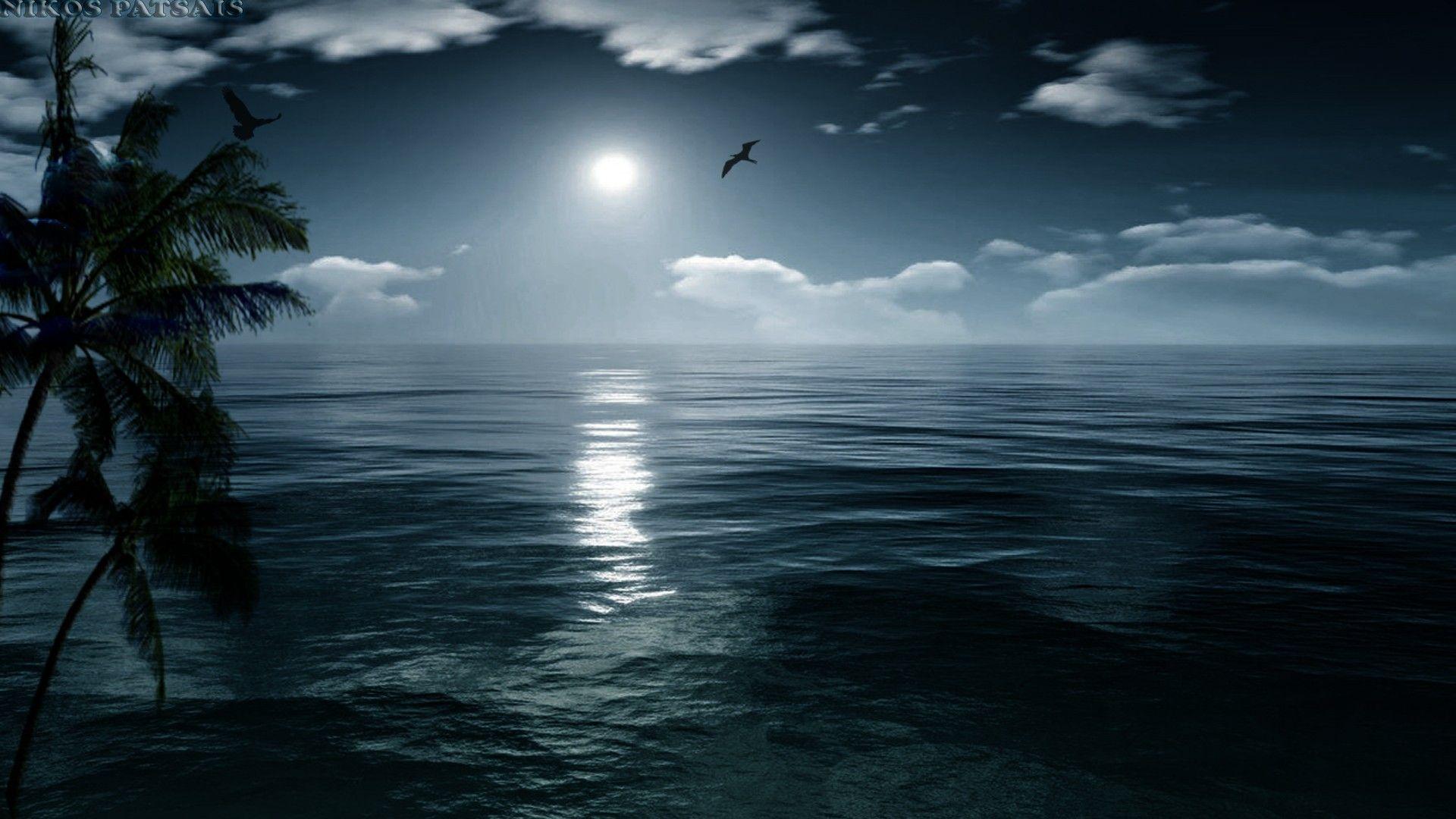
The steel walls of a merchant tanker are surprisingly thin when you realize they are the only thing separating you from a thousand miles of dark, indifferent saltwater. On a Tuesday night in the Strait of Hormuz, that silence is usually broken only by the low, rhythmic thrum of the engine—a heartbeat that tells the crew everything is normal. But for fifteen Indian sailors aboard a vessel that suddenly became a target, that heartbeat stopped.
Metal groaned. The sky, usually a velvet canopy of stars above the Persian Gulf, was suddenly punctured by the glare of drones and the roar of fast-attack craft. In an instant, a commercial transit became a geopolitical hostage crisis. This wasn't a movie. It was a cold, terrifying reality for fifteen men who were simply trying to earn a living to send money back to families in Kerala, Punjab, and Maharashtra.
The Invisible Chokepoint
To the average person, the Strait of Hormuz is a line on a map, a narrow strip of water tucked between Oman and Iran. To a sailor, it is a gauntlet. It is twenty-one miles wide at its narrowest point, yet nearly thirty percent of the world’s sea-borne oil passes through it. Think of it as the jugular vein of the global economy. If it gets squeezed, the world feels the pain at the gas pump, in the grocery store, and in the heating bills of homes thousands of miles away.
When Iran’s forces intercepted this tanker, they weren't just seizing a ship. They were seizing a piece of the world's stability. But behind the maps and the maritime law lies the human cost. We talk about "tonnage" and "vessel names," yet we rarely talk about the smell of diesel fumes mixed with salt air, or the way a man’s hands shake when he realizes he is no longer a navigator, but a pawn.
Consider a hypothetical sailor—let’s call him Arjun. Arjun is thirty-two. He has a three-year-old daughter who thinks her father lives inside the glowing screen of a smartphone because she only sees him on video calls. He spent his life savings on maritime school. His "office" is a floating warehouse of flammable liquid. When the Iranian Revolutionary Guard Corps (IRGC) boarded his vessel, Arjun wasn't thinking about regional hegemony or the collapse of nuclear deals. He was thinking about whether he would ever hold his daughter again.
The Logistics of Fear
Modern piracy and state-sponsored seizures are surgical. This isn't the era of wooden ships and cutlasses. It is an era of electronic jamming, shadowed radar signatures, and masked men rappelling from helicopters. The physical act of the strike is over in minutes. The psychological aftermath lasts for years.
The fifteen Indian sailors found themselves caught in a theater of shadows. India occupies a precarious position in this drama. New Delhi maintains a delicate balance, keeping diplomatic channels open with Tehran while protecting its massive diaspora of workers in the Middle East. When Indian citizens are taken, the government doesn't just send a letter. It enters a high-stakes game of back-channel whispers and maritime pressure.
The "why" of the strike is often buried in a tit-for-tat cycle that dates back decades. One country freezes another's assets; the other country seizes a tanker. It is a predictable, brutal rhythm. Yet, the men in the engine room have no part in those decisions. They are the collateral of a disagreement they didn't start and cannot end.
The Sound of Silence
Communication is the first thing to go. In the digital age, being cut off from the world is its own form of torture. When the IRGC took control, the satellite phones went dead. The internet vanished. For the families back in India, the silence was a physical weight.
Imagine a mother in a small village outside Chennai. She sees a news snippet on a flickering television. A "vessel seized." She knows her son is in those waters. She calls his number. It goes straight to a mechanical voice saying the subscriber is out of reach. She calls the shipping company. They tell her they are "monitoring the situation." This is the reality of the maritime industry—a world of immense wealth where the workers are often treated as interchangeable parts until something goes wrong.
The Strait of Hormuz is a place where the water is shallow and the tension is deep. Because the shipping lanes are so narrow, tankers are forced to stay within a specific corridor. This makes them sitting ducks. You cannot swerve. You cannot hide a vessel the size of an office building. You simply keep moving and hope the radar remains clear.
The Weight of the Cargo
We often forget that an oil tanker is a giant, floating bomb. The technical complexity of managing such a vessel is staggering. If the crew is distracted, if the maintenance is neglected during a standoff, or if a skirmish leads to a hull breach, the environmental catastrophe would be irreversible. The Persian Gulf is a fragile ecosystem. A major spill would choke the desalination plants that provide drinking water to millions in the region.
The stakes are higher than a few barrels of crude.
This specific strike serves as a reminder that the ocean remains a lawless frontier. Despite all our technology, once you are on the high seas, you are at the mercy of whoever has the fastest boat and the biggest gun. The international community speaks of "freedom of navigation," but for those fifteen sailors, that phrase sounded like a hollow joke as they were escorted into Iranian waters.
A Global Ripple
What happens when the world’s jugular is squeezed? The markets react before the sailors even reach the shore. Traders in London and New York see the flash on their terminals. The price of Brent crude ticks upward. This isn't just a number. It is a cost passed down to a farmer in Iowa who needs to fuel his tractor, or a delivery driver in Delhi who is already struggling with inflation.
But the real cost is the erosion of trust. Every time a ship is seized, the insurance premiums for every other ship in the region skyrocket. This "war risk" surcharge is a tax on existence. It makes everything more expensive. It makes the world a little more closed, a little more guarded, and a lot more dangerous.
The sailors eventually become statistics in a diplomatic briefing. "All crew members are safe," the official statement will eventually say. But "safe" is a relative term. They might be physically unharmed, but the memory of masked men on their bridge will stay with them every time they hear a helicopter or a sudden bang in the night.
The Long Voyage Home
The sea has a way of swallowing stories. Once the ship is released and the oil is delivered, the news cycle moves on to the next crisis. The fifteen Indians will return to their homes. They will be hugged by their wives and parents. They will likely go back to sea, because the sea is where the work is, and the debt for the maritime school still needs to be paid.
The vulnerability remains. We live in a world that depends on the bravery and the invisibility of people like these fifteen men. We rely on a global supply chain that is held together by hope and thin steel. We ignore the sailors until the heartbeat of the engine stops, and the sky over the Strait of Hormuz turns from black to the blinding white of a searchlight.
The ocean doesn't care about borders. It doesn't care about sanctions or sovereign rights. It only knows the weight of the ships and the small, fragile lives of the people who sail them. As long as we treat these men as pawns in a geopolitical game, the sea will continue to be a cage for anyone who dares to cross the invisible lines drawn by powerful men in distant rooms.
The engine starts again. The ship moves. The sailors watch the horizon, waiting for the next light that shouldn't be there.