The rusted hull of an aging Suezmax tanker groans against the swell of the Persian Gulf, a sound like a low, metallic sob. On the bridge, a navigator stares at a flickering screen where the vessel’s transponder has been "dark" for three days. To the world, this ship does not exist. It is a ghost, carrying a million barrels of heavy sour crude that no one is officially allowed to buy.
For years, a small collection of nations lived in a gray zone. They were the outliers, the ones granted "waivers" by the U.S. Treasury—a polite bureaucratic term for a hall pass to keep buying Iranian oil without triggering the wrath of the American financial system. But the hall pass just got shredded. The Treasury has signaled a hard stop. No more extensions. No more looking the other way.
This isn't just a shift in trade data. It is a tightening of a digital and physical noose that echoes from the marble hallways of Washington D.C. to the humid, oil-slicked ports of Asia.
The Ledger of Invisible Debts
Every barrel of oil tells a story of survival. In Tehran, the price of a liter of milk or a loaf of bread is tethered to the flow of that black liquid through pipelines hundreds of miles away. When the waivers vanish, the currency shivers. Consider a shopkeeper in a narrow alley of the Grand Bazaar. He doesn't read the Treasury’s press releases. He doesn't need to. He feels the decision when the rial in his hand loses another fraction of its strength before the sun has even set.
The strategy behind the refusal is simple: maximum pressure. The goal is to drive Iran’s oil exports to zero. It is an economic siege conducted with keyboards and sanctions lists rather than cannons and cavalry. By removing the waivers, the U.S. is forcing every major economy—from the industrial hubs of India to the expanding refineries of China—to make a binary choice. You can do business with the world’s largest economy, or you can buy oil from the Islamic Republic. You cannot do both.
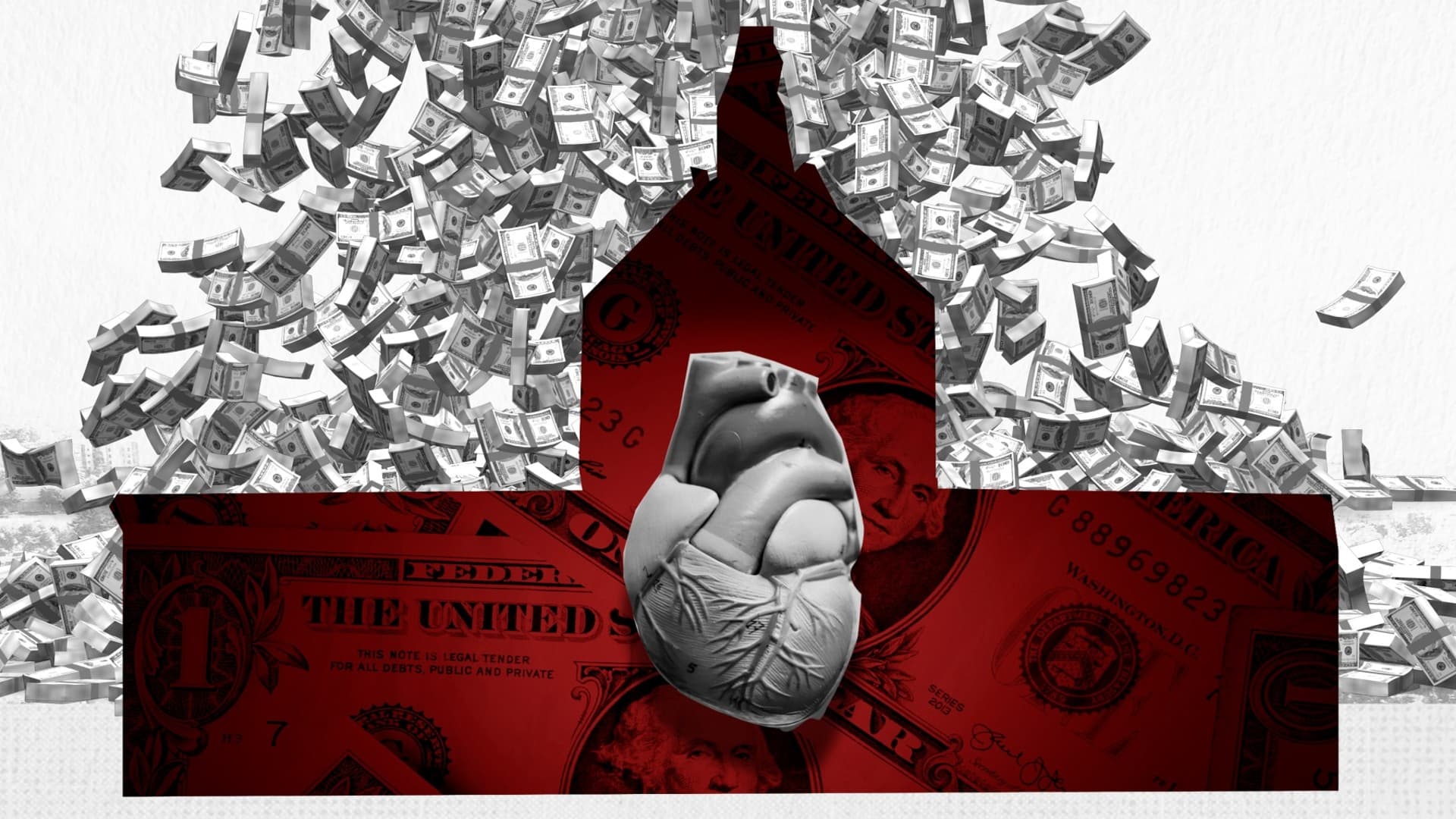
The math is brutal. Oil accounts for the vast majority of Iran's hard currency. Without the legal avenue provided by those waivers, the state's ability to fund everything from infrastructure to its regional proxies begins to erode. But human systems are rarely as clean as a spreadsheet. When you block the front door, people start climbing through the windows.
The Rise of the Ghost Fleet
What happens when a country’s primary lifeline is declared contraband? It goes underground. We are currently witnessing the birth of a shadow economy so vast it rivals the legitimate one.
Imagine a "ship-to-ship" transfer in the middle of the night, far outside the territorial waters of any watchful government. Two tankers, their names painted over or changed via a quick radio update, pull alongside each other. Thick, rubber hoses snake across the gap. Thousands of tons of oil are pumped from one hold to another while the crews work in near-total silence.
This is the "Ghost Fleet." These ships are often old, poorly maintained, and uninsured. They sail under flags of convenience, representing nations that barely have a coastline, let alone a maritime regulator. They are floating environmental disasters waiting to happen, all to bypass a line of text in a U.S. government document.
The risk is enormous. If one of these aging vessels cracks open in the South China Sea, there is no corporate entity to sue, no insurance policy to cover the cleanup. The cost of the sanctions waiver refusal, therefore, isn't just measured in dollars per barrel. It is measured in the precariousness of the global commons. We have traded a regulated, transparent flow of energy for a desperate, jagged scramble through the dark.
The Quiet Panic in the Boardroom
Move the lens away from the Persian Gulf and into the glass towers of Mumbai and Seoul. Here, the "human element" looks like a Chief Financial Officer staring at a supply contract.
For these leaders, the end of the waivers is a logistical nightmare. Refineries are not generic machines; they are often "tuned" to specific types of crude. Iranian oil has a particular sulfur content and density. You can’t just swap it for American shale oil or Saudi light without recalibrating multi-billion dollar equipment.
The refusal to extend waivers sends a shockwave through these industrial centers. It forces a frantic search for replacements. It drives up the "risk premium"—the extra few dollars every person on earth pays at the pump because the world is a slightly more uncertain place today than it was yesterday.
The diplomats call this "leverage." The engineers call it a headache. The families living on the edge of the poverty line in developing nations call it an unaffordable increase in the cost of a bus ride to work.
A Game of Economic Chicken
We often speak of sanctions as if they are a stationary wall. They aren't. They are a living, breathing conflict.
The U.S. Treasury is betting that the global oil market is oversupplied enough to absorb the loss of Iranian barrels without a massive price spike. They are betting that the threat of being cut off from the U.S. dollar is scarier than the prospect of losing a cheap energy supplier.
But there is a counter-move. Every time the U.S. uses the dollar as a weapon, it incentivizes the rest of the world to find a different currency. We are seeing the early, shaky steps of a "de-dollarized" world. Nations are experimenting with barter systems—oil for grain, oil for medicine, oil for gold. They are building private payment rails that don't pass through New York or London.
The refusal to extend the waivers is a display of immense power, yes. But it is also a gamble that may eventually diminish the very power it seeks to project. If you use a master key to lock too many doors, eventually people will decide to change the locks entirely.
The Echo in the Empty Port
Back on the coast of Iran, the silence is the most telling detail. In the port of Kharg Island, the giant loading arms that once fed the world’s thirst for energy now stand still for longer stretches of time. The workers there—men with grease-stained jumpsuits and tired eyes—watch the horizon. They know the tankers are out there, hovering in the haze, waiting for a signal that it’s safe to dock.
They are the faces of a geopolitical stalemate. They are caught between a government that refuses to blink and a superpower that refuses to relent.
The news cycle will move on to the next crisis within forty-eight hours. The graphs of oil exports will be updated. The "oil sanctions" will remain a dry topic for television pundits in sharp suits. But for the navigator on the ghost ship, the shopkeeper in the bazaar, and the engineer at the refinery, the Treasury’s refusal is a physical weight.
It is a reminder that in the modern world, the stroke of a pen in a distant capital can turn a million-ton ship into a phantom and a thriving port into a graveyard of rust. The oil keeps flowing, but it flows through deeper shadows now, and the cost of bringing it into the light has never been higher.