Western media loves a predictable script. When a major international film festival rolls around, the spotlight inevitably shifts from the screen to the political stage. A high-profile director issues a statement condemning a regime, the audience delivers a standing ovation, and editorial boards rush to publish headlines about art breaking the chains of tyranny.
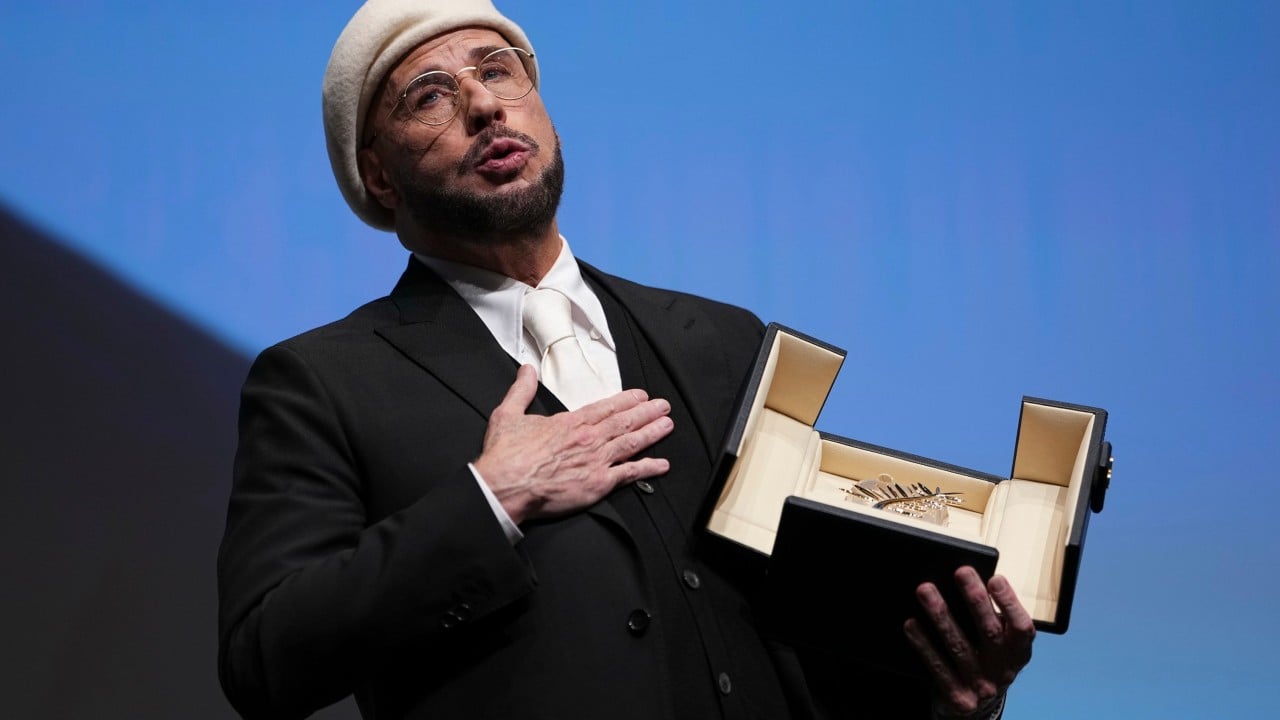
We saw it when the mainstream press ran standard coverage of Oscar-winning Iranian filmmaker Asghar Farhadi labeling state crackdowns and political violence "deeply painful." The consensus was immediate: Farhadi was positioned as the brave, singular voice of conscience speaking truth to power from the red carpet.
It is a comforting narrative. It is also entirely wrong.
The lazy consensus surrounding global cinema treats international film festivals as battlegrounds for human rights and directors as geopolitical saviors. This viewpoint misunderstands how authoritarian regimes operate, how international cultural capital functions, and how real political change occurs. The belief that a carefully worded press release or a somber festival speech exerts meaningful pressure on a hardline government is a fantasy designed to make Western audiences feel politically engaged while doing absolutely nothing.
The Currency of Calculated Dissent
To understand why the standard narrative fails, look at the structural mechanics of international film production under restrictive regimes. Directors like Farhadi do not operate in a vacuum; they navigate an incredibly complex, state-sanctioned bureaucracy.
In countries with strict censorship apparatuses, getting a film made requires a series of delicate compromises. Scripts must be approved. Production permits must be granted. Distribution licenses must be secured. The idea that a filmmaker can achieve global prominence while being in total, uncompromising opposition to the state apparatus ignores the material reality of filmmaking.
True dissidents—those who refuse every compromise—frequently end up banned from filmmaking entirely, imprisoned, or forced into exile. The artists who manage to maintain a foot in both worlds—screening films at Cannes while keeping production offices open at home—are playing a highly sophisticated game of chess.
When a prominent director makes a public statement lamenting violence or expressing pain, it is often less an act of revolutionary defiance and more an act of strategic equilibrium. It satisfies the political expectations of Western festival juries and distributors—who demand a certain level of political edge from global South filmmakers—without crossing the specific red lines that would trigger total professional annihilation at home.
Calling violence "painful" is safe. It is an undeniable human truth, but it lacks specific political culpability. It allows Western media to project its own radical desires onto the filmmaker, while the state authorities back home view it as a manageable critique from an artist who brings international prestige to the nation's cultural output.
The Western Gaze and the Commodity of Suffering
The international film festival circuit has created a bizarre economy where local trauma is converted into global cultural capital. Western audiences crave stories of oppression from specific regions, but only if those stories fit into neat, easily digestible cinematic boxes.
Consider how "People Also Ask" search trends reflect this superficial engagement:
- Why are Iranian films so politically charged? They aren't always. The ones selected for Western distribution are.
- How do dissident directors smuggle films out? Occasionally through memory sticks, but more often through official channels that tolerate a certain level of critique for international prestige.
By focusing purely on the emotional rhetoric of top-tier directors, we miss the actual cinematic artistry and the systemic economic realities underneath. I have watched distribution executives pour millions into marketing campaigns centered around a director's political plight, while completely ignoring the independent local filmmakers who lack the international stature to protect themselves.
This dynamic creates a dangerous double standard:
- The Luxury of Stature: Established directors can use vague, humanistic language to signal dissent, gaining international praise without facing the immediate, severe consequences handed down to unknown activists on the ground.
- The Erasure of Local Nuance: Complex domestic political debates are flattened into a simple "artist vs. state" binary that satisfies Western audiences but offers zero actionable insight into the actual internal mechanics of the society.
The Mechanics of State Co-Optation
Authoritarian systems are far more resilient than Western commentators give them credit for. They do not crumble because an auteur wins a screenplay award in Europe. In fact, sophisticated regimes frequently use the international success of their critics to validate their own cultural tolerance.
Imagine a scenario where a state-backed cultural ministry allows a critical film to be exported. When Western journalists praise the film's bravery, the state can point to that very praise as evidence that their society allows artistic freedom. The critique is neutralized by its own success; it becomes a trophy that the regime can casually display to prove it is not as repressive as its critics claim.
This creates a brutal paradox for the filmmaker. To speak out too forcefully means the end of your art. To speak out too vaguely means becoming a tool of soft-power diplomacy for the very system you claim to oppose.
Dismantling the Premise: What Actually Changes Things
If the goal is genuine political change or meaningful solidarity with people facing crackdowns, stop looking to the red carpet for leadership. The belief that international cultural shaming alters the behavior of a regime entrenched in its own ideological and survivalist logic is fundamentally flawed.
Instead of applauding safe, humanistic statements from established elites, the focus must shift to structural realities:
- Fund the Underground: Real, disruptive commentary rarely passes through official censorship boards. True solidarity means supporting decentralized, underground media networks that do not seek state approval or international festival laurels.
- Acknowledge the Economics: Recognize that international co-productions and festival distributions are businesses. They trade on political urgency to sell tickets and streaming subscriptions.
- Stop Demanding Martyrs: Western media needs to stop forcing global filmmakers into the role of political prophets. It is an unfair burden that forces artists to choose between superficial compliance and total ruin, all for the entertainment of a foreign audience.
The standard coverage of celebrity dissent is a closed loop of self-congratulation. The director states the obvious, the festival applauds, the Western press writes a glowing review, and the reality on the ground remains entirely unchanged. Art can mirror suffering, reflect complexity, and preserve memory—but a press release never stopped a bullet. Stop treating the symptoms of geopolitical friction as a cinematic spectacle.