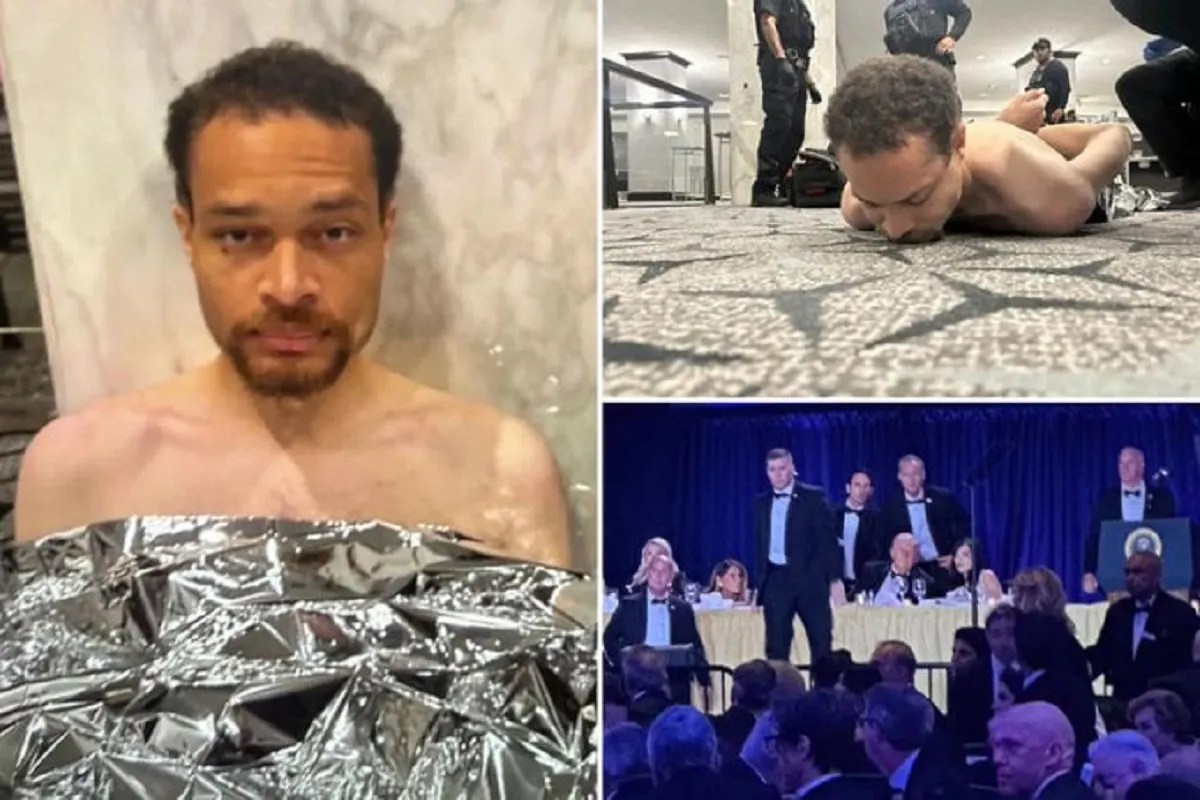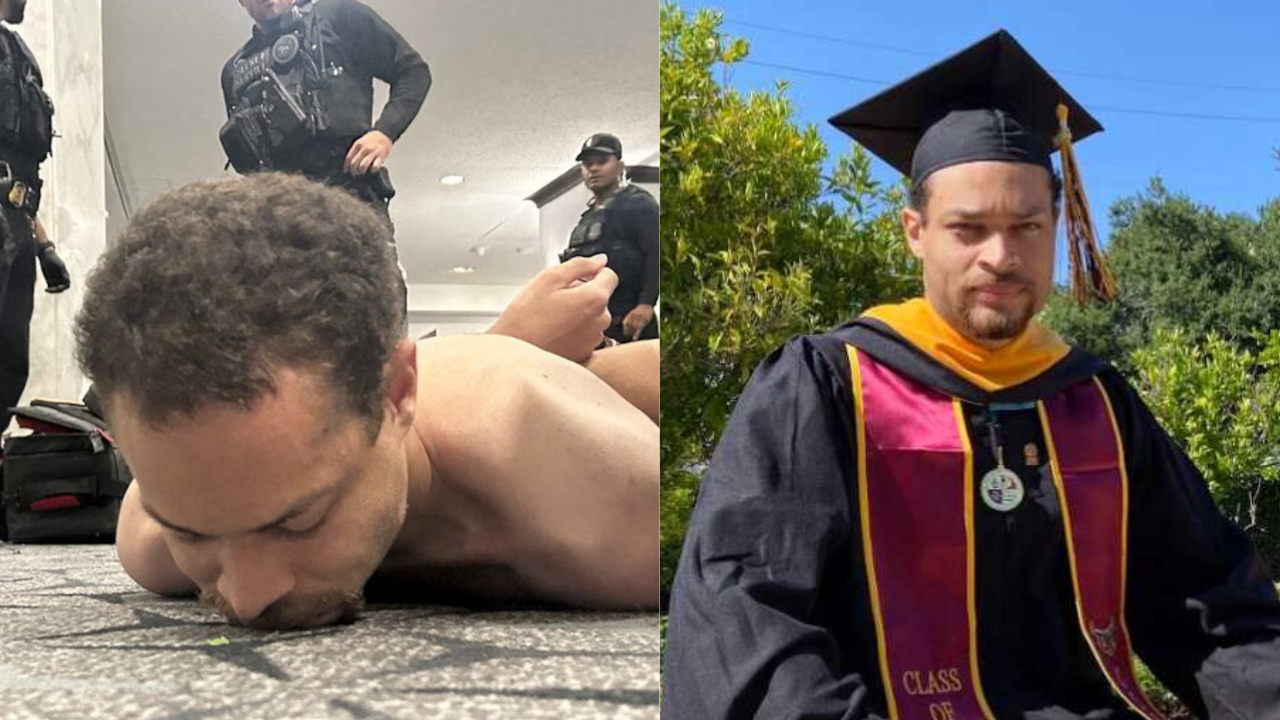
The internet doesn't forget, even when we wish it would. Cole Tomas Allen, the 31-year-old now at the center of the White House Correspondents' Dinner shooting investigation, left a digital footprint that reads like a slow-motion car crash. It wasn't just a few angry tweets or a stray comment on a message board. It was a calculated, years-long descent into a very specific kind of radicalization that security experts are still trying to map out.
If you’re looking for the typical "lone wolf" profile, you won't find it here. Allen was a computer programmer and tutor from California. He was articulate. He was technically proficient. He was also, according to his own writings, incredibly frustrated with the political state of the country. When he sent a thousand-word manifesto to his family minutes before the attack, he didn't just air grievances. He laid out a roadmap of how he bypassed security at the Washington Hilton, mocking the very systems meant to keep the world's most powerful people safe.
The Chilling Reality of the Online Trail
We’ve seen this pattern before, but the specifics in the Allen case are uniquely disturbing. Investigators found a history of anti-Trump posts that weren't just partisan—they were tactical. He wasn't just complaining about policies; he was studying the movements of administration officials. One law enforcement official mentioned that Allen referred to himself as a "Friendly Federal Assassin." That’s not just a cry for help. It’s a self-assigned identity that suggests he’d been living in this headspace for a long time.
His digital life was a mix of professional coding advice and deep-seated political vitriol. It’s a reminder that radicalization doesn't always look like someone living in a basement. It can look like your tutor or your coworker. His sister in Maryland told investigators he’d make radical statements, yet he still managed to legally purchase a .38-caliber semiautomatic pistol and a 12-gauge shotgun without raising enough red flags to stop him.
Security Gaps and the Mockery of Protocol
Perhaps the most ego-driven part of Allen’s trail is his taunting of the Secret Service and hotel security. In his writings, he expressed genuine surprise at how easy it was to enter the Washington Hilton while armed. He basically live-blogged his own infiltration through these documents sent to his family. He even included a weird, hypothetical scenario about an Iranian operative bypassing checks, showing he was thinking about national security vulnerabilities as a hobby.
The fact that he checked in as a guest days before the gala dinner shows a level of premeditation that goes beyond a sudden "snap." He used the hotel’s own hospitality against it. He knew that once you’re inside the "soft perimeter," the hard checks become fewer and farther between. It’s a massive blind spot that will likely change how high-profile events are staged in DC moving forward.
Breaking Down the Motive
Allen’s manifesto was a rambling mess of religious justification, political anger, and personal apologies. He thanked people in his life even as he prepared to potentially kill them—or at least the people they admired. It’s a jarring contrast. He opens with a "hello everybody!" like he’s writing a blog post about a new JavaScript library, then pivots immediately to the mechanics of his planned violence.
There’s a lot of talk about his mental state, but let’s be real: he was organized. He traveled by train from California to Chicago and then to DC. He managed his weapons. He managed his travel. He managed his cover as a hotel guest. This wasn't a chaotic break from reality; it was a focused, albeit delusional, mission.
What We Know About the Weapons
- October 2023: Allen legally purchased a .38-caliber semiautomatic pistol.
- Two years later: He added a 12-gauge shotgun to his collection.
- The storage: He kept these at his parents' home in Torrance, California, without their knowledge.
- The transit: He moved these weapons across the country via train, a method often overlooked compared to flight security.
Why the System Failed to Flag Him
This is where it gets frustrating. His brother was concerned enough to contact the New London Police Department, but it happened two hours after the shooting. His sister knew he was prone to radical statements. But in the eyes of the law, until he actually did something, he was just another guy with a few guns and an opinion.
The gap between "concerning behavior" and "actionable threat" is a mile wide. Allen lived in that gap. He didn't have a major criminal record. He didn't have a history of institutionalization. He was a "clean" buyer who used his technical skills to stay under the radar until the very last second.
How to Stay Aware in a Volatile Climate
If you’re wondering what you can actually do with this information, it’s about internalizing the "see something, say something" mantra, even when it’s uncomfortable. Most of these shooters have family or friends who see the warning signs but don't want to believe their loved one is capable of such things.
- Monitor radical shifts: If someone you know shifts from political interest to an obsession with tactical planning or "missions," that's a red flag.
- Don't ignore the "jokes": Allen’s "Friendly Federal Assassin" label might have seemed like a dark joke to some, but it was a clear indicator of his internal narrative.
- Report through the right channels: Local police are a start, but the FBI’s online tip portal is designed specifically for tracking these kinds of cross-state threats.
We have to stop treating these digital trails as "hindsight" and start seeing them as the active warnings they are. The information is almost always there; we just haven't figured out how to piece it together before the trigger is pulled.
If you’re concerned about someone’s online behavior or suspect they are planning a violent act, don't wait for a manifesto to hit your inbox. Contact the FBI at 1-800-CALL-FBI or submit a tip at tips.fbi.gov immediately. Your intervention could be the only thing that stops the next "chilling trail" from becoming a headline.