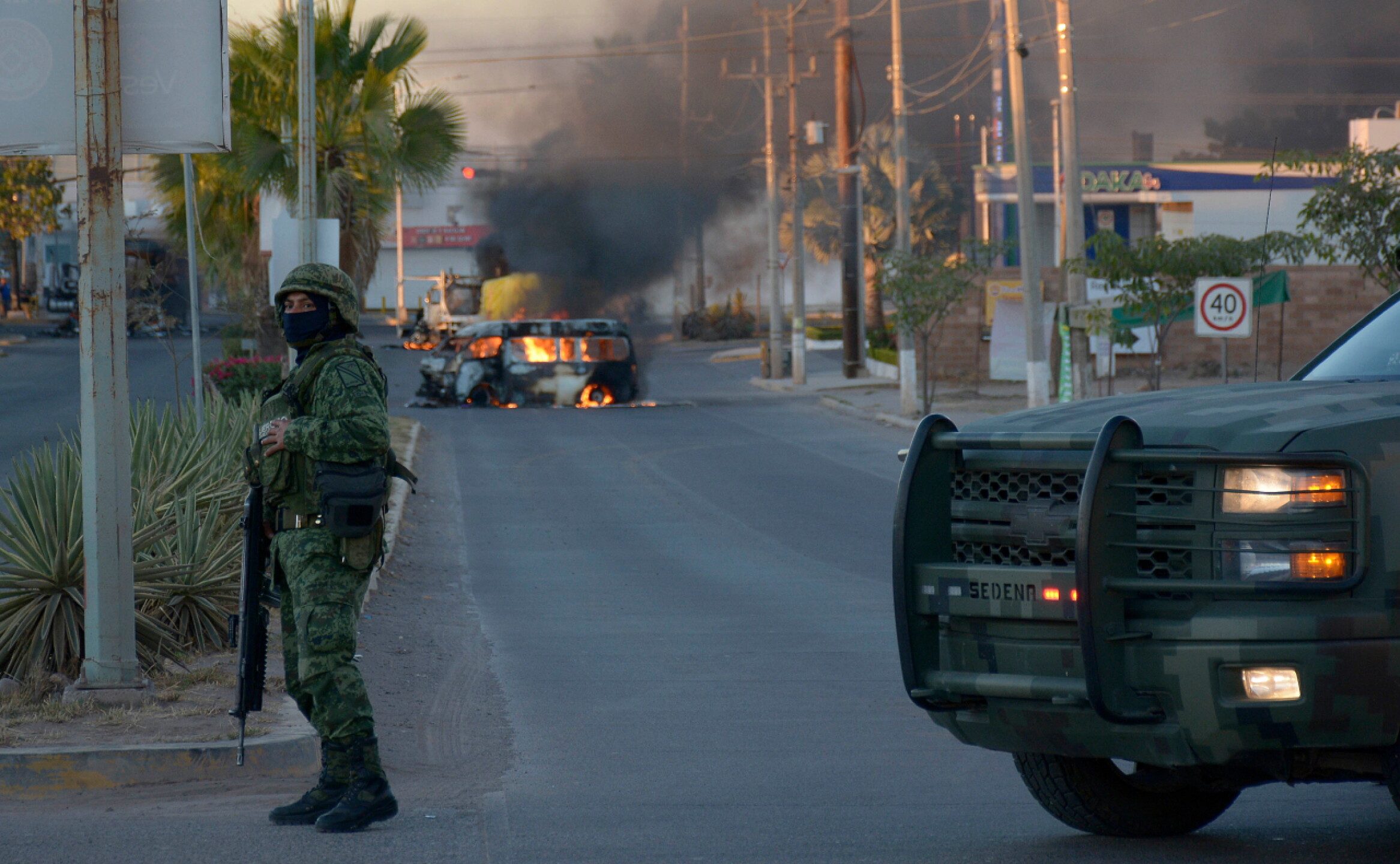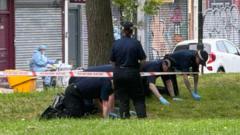
The gunfire that erupted on a residential street in Brixton, leaving four people wounded, is not an isolated flashpoint of urban friction. It is the predictable outcome of a security vacuum that has been widening in South London for years. While standard reports focus on the immediate chaos of the drive-by shooting, the deeper reality involves a sophisticated evolution in gang tactics and a police force that is increasingly unable to keep pace with mobile, high-speed violence. This incident serves as a brutal reminder that the city’s current strategy for containing violent crime is buckling under the weight of organized, retaliatory cycles that treat public streets as open battlegrounds.
The Mechanics of the Brixton Ambush
At the heart of the Brixton incident is a specific tactical shift in how territorial disputes are settled. We are no longer seeing the slow-burn escalations of the past. Modern street violence is characterized by extreme speed and a total disregard for civilian presence. The drive-by shooting on Akerman Road was a clinical execution of a hit-and-run maneuver designed to maximize terror while ensuring a rapid escape toward the arterial roads that skirt the borough.
Four victims were caught in the spray of bullets. Emergency responders arrived to find a scene that mirrored a war zone more than a London suburb. Two victims were treated on-site before being rushed to major trauma centers, while others sought medical aid independently. This pattern of "self-presentation" at hospitals is a growing trend; victims often flee the scene before police arrive, fearing that being caught at the site of a shooting will lead to their own arrest or further targeting by rival factions.
The weaponry involved also points to a disturbing trend in the illicit arms trade. Intelligence suggests that converted blank-firing pistols and sub-machine guns are entering the capital through fragmented supply chains that are harder to track than traditional shipments. When a trigger is pulled in Brixton, the hardware often has a history that stretches across the continent, yet the local response remains focused on the individual shooter rather than the logistics of the supply.
Why Surveillance is Failing to Deter
London is one of the most surveilled cities on the planet. Thousands of cameras track every movement from the Tube stations to the high streets. Yet, the Brixton shooting happened in broad daylight, under the nose of a vast digital dragnet. Criminal networks have learned to exploit the gaps in this system. They use cloned plates, high-end stolen vehicles, and "burners" to move through the city like ghosts.
The reliance on CCTV has created a false sense of security among the public while doing little to prevent the actual pull of the trigger. Detectives are left to piece together grainy footage hours after the suspects have vanished into the labyrinth of South London’s estates. This reactive posture is the fundamental flaw in modern British policing. By the time the blue lights are flashing, the cycle of retaliation has already been set in motion.
The Myth of the Random Act
Police statements frequently use the phrase "no broader risk to the public" to de-escalate fear. This is a half-truth. While the specific targets of a drive-by are usually intended, the mechanics of a shooting in a crowded residential area make everyone a potential victim. When bullets fly on a Wednesday evening, the risk to a mother walking home from the shop or a teenager on a bike is absolute.
The "targeted" nature of these attacks does not diminish their impact on the community. Instead, it deepens the "wall of silence" that hampers investigations. Residents in Brixton are caught between a police force they often don't trust and gangs they rightfully fear. When the authorities fail to provide basic safety, the community stops providing the information necessary to solve crimes. It is a self-perpetuating loop of lawlessness.
The Economic Engine of South London Violence
To understand why shootings continue despite increased patrols, one must look at the economics. The drug market in South London is a multi-million pound industry that operates with the efficiency of a corporate entity. Territorial disputes are not just about "respect" or "postcodes"; they are about market share. Brixton remains a high-value hub for distribution, making it a constant target for hostile takeovers by surrounding syndicates.
County Lines and Local Friction
The pressure from "County Lines" operations—where city gangs export drugs to rural areas—has actually increased the volatility back in the city. As older, more established figures move their operations outward to find fresh markets, younger, less disciplined individuals are left to guard the home turf. These younger cohorts are more prone to using firearms to settle minor slights, leading to the kind of reckless daylight shootings we saw this week.
The hierarchy is fractured. In the past, "elders" within criminal organizations would often suppress extreme violence because it brought too much "heat" from the Metropolitan Police. That internal regulation has vanished. The new generation values the notoriety gained from a brazen attack more than the stability of a quiet, profitable operation.
The Resource Gap in Specialist Operations
The Metropolitan Police's specialist firearm units (MO19) are among the best in the world, but they cannot be everywhere at once. Budget constraints and a crisis in recruitment have stretched these units thin. When a shooting occurs in Brixton, units are often pulled from other high-risk areas, creating a "whack-a-mole" scenario where one neighborhood is secured at the expense of another.
Furthermore, the political climate surrounding stop and search has made frontline officers hesitant. There is a tangible fear among police that proactive engagement will lead to career-ending disciplinary action or public outcry. While the debate over civil liberties is necessary, the vacuum left by decreased proactive policing is being filled by those willing to carry a loaded gun.
The Failure of Social Intervention
Billions have been funneled into "youth outreach" and "violence reduction units" over the last decade. The Brixton shooting proves that these programs are failing to reach the individuals who are actually pulling the triggers. Most social programs are designed for at-risk youths on the periphery of gang life. They are fundamentally unequipped to deal with hardened offenders who view violence as a legitimate professional tool.
We are seeing a divergence in London. There is the London of luxury developments and rising property prices, and there is the London of Akerman Road, where the state’s grip on order is tenuous at best. You cannot solve a ballistics problem with a youth club.
The Global Context of Local Crime
The violence in Brixton is also being fueled by global trends. The rise of encrypted messaging apps has revolutionized how hits are ordered and how weapons are sourced. A drive-by in South London can be coordinated from a burner phone in a different country. This "uberization" of violence means that the local police are fighting a decentralized enemy that doesn't follow traditional geographical boundaries.
Social media acts as a digital colosseum. Rivalries that start in music videos or "diss tracks" on YouTube quickly escalate into real-world bloodshed. The speed of digital communication ensures that an insult in the morning can lead to a shooting by the afternoon. The police’s digital forensics teams are permanently playing catch-up, trying to decipher slang and symbols while the next hit is already being planned.
The Strategy for Survival
If the city is to move beyond the cycle of "incident, outrage, and indifference," the approach must change. This isn't about more "community bobbies" on the beat. It requires a hard-nosed, intelligence-led offensive that targets the finances and the logistics of the gangs, not just the kids on the street corners.
- Financial Disruption: Hit the organizations where it hurts by freezing assets and dismantling the money-laundering fronts that hide drug profits.
- Logistical Interdiction: Focus on the points of entry for illegal firearms, including the dark web and small-scale smuggling routes that bypass major ports.
- Judicial Consequences: Ensure that the possession of a firearm carries a mandatory, non-negotiable sentence that serves as an actual deterrent.
The residents of Brixton deserve more than a temporary surge in police numbers that vanishes as soon as the news cycle moves on. They deserve a permanent reclamation of their streets. The four people lying in hospital beds are a testament to a system that has allowed the threat of violence to become a background hum of urban life. We have accepted the unacceptable for too long.
Stop looking at the shooting as a tragedy and start looking at it as a systemic failure of the state to maintain the most basic social contract: the right to walk down the street without being shot. The blood on the pavement in Brixton is a map of where the policy has gone wrong.
Identify the shooters. Secure the evidence. But most importantly, dismantle the structures that made them think they could get away with it in the first place.