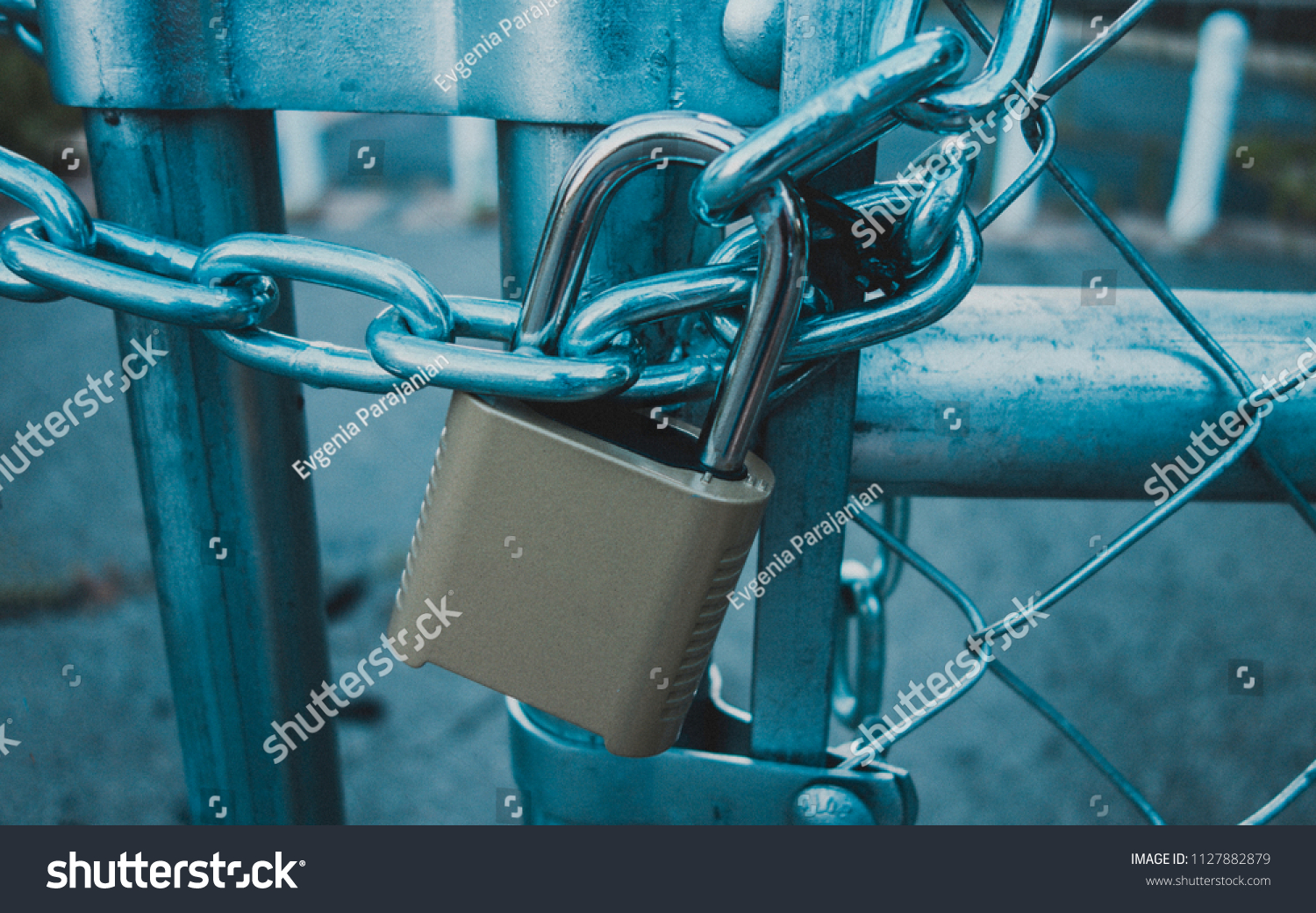
Barry Sternlicht isn’t a man accustomed to saying "no" to people with money. As the billionaire force behind Starwood Capital, his career has been a masterclass in the art of the acquisition, a relentless pursuit of skylines and floor space that turned a real estate investment trust (REIT) into a titan. But recently, the gate clicked shut.
Imagine you are standing in front of a vault. You put your savings in years ago when the sun was shining and the digital ticker tapes were all green. You were told this vault was different—a "non-traded" sanctuary that didn't bounce around with the whims of the stock market. It was stable. It was real. It was brick and mortar. Now, you’ve come to take a portion of your money back out, perhaps to pay for a wedding, a medical bill, or simply because you’re nervous about the dark clouds on the horizon. Recently making headlines recently: Why Trump keeps attacking Jerome Powell over his decision to stay at the Fed.
The guard at the door shakes his head. He points to a new sign: Redemptions Restricted.
This is the reality for investors in the $10 billion Starwood Real Estate Income Trust (SREIT). In a move that sent tremors through the world of private wealth, the fund drastically tightened the screws on how much money investors can withdraw. Previously, they could take out 2% of the fund’s value a month. Now? That’s been slashed to 0.33%. More information regarding the matter are explored by Bloomberg.
It is a liquidity trap. It is the moment the music stops, but the chairs have been bolted to the floor.
The Mirage of Constant Growth
For years, the pitch for SREIT and its rivals was seductive. Wall Street told retail investors they could play the same game as the big pensions and sovereign wealth funds. They could own a slice of massive apartment complexes and gleaming office towers. The "non-traded" nature was sold as a feature, not a bug. Since these funds weren't listed on an exchange, their price didn't drop just because a war broke out or a tech bubble burst.
It felt like a cheat code for the economy.
But the price of that stability was an illusion of liquidity. When you buy a share of Apple, you can sell it in a millisecond. When you buy into a massive real estate fund, your money is transformed into concrete and steel. You cannot sell a tenth of an elevator to pay back a departing investor. To give you your cash, the fund must either have a pile of "dry powder" sitting in the bank or sell a building.
The problem started when the Federal Reserve began its aggressive campaign to hike interest rates. Real estate is a game played on borrowed time and borrowed money. When the cost of that money goes from near-zero to 5%, the math of the entire industry breaks.
Consider a hypothetical investor named Elias. He’s 68, retired, and has a significant portion of his nest egg in SREIT. He liked the 4% or 5% yield. It felt safer than the "casino" of the Nasdaq. But as rates rose, the value of those buildings—the collateral for the fund—began to slide. Simultaneously, high-yield savings accounts started offering 5% for doing absolutely nothing. Suddenly, the "safe" real estate fund looked risky and expensive.
Elias, and thousands like him, reached for the exit at the same time.
A Bet Against the Clock
Barry Sternlicht didn't just get caught in a bad market; he made a specific, high-stakes wager. He bet that the Federal Reserve would blink. He bet that interest rates would come down quickly, easing the pressure on property valuations and making it cheaper to refinance the fund's massive debts.
He was wrong.
The "higher for longer" reality of the American economy became a slow-motion wrecking ball for Starwood. To keep the fund afloat and satisfy the initial wave of departures, SREIT began burning through its available cash. They drew down a $1.55 million line of credit. They started selling off assets. But you don't want to sell your best buildings in a fire sale. That’s how a fund enters a death spiral.
So, Sternlicht chose the only remaining lever: he stopped the outflow.
By restricting redemptions to 0.33% per month, Starwood is effectively telling its investors that they might have to wait years to get their principal back. It is a desperate attempt to buy time. If they can hold on until the Fed finally cuts rates, the property values might rebound, the panic might subside, and the gates can open again.
But time is a luxury that costs money. Every month the gates stay closed, the reputation of the "non-traded REIT" as a safe haven for the "little guy" withers.
The Invisible Stakes of Trust
There is a psychological weight to a frozen fund that the balance sheets don't capture. Finance is, at its core, a system of belief. We believe the bank will have our money. We believe the contract will be honored. When a titan like Starwood signals that it cannot meet its obligations to its shareholders, that belief fractures.
The industry calls this "gating." It’s a polite term for a hostage situation.
For the broader market, the Starwood news is a canary in the coal mine. It signals that the distress in commercial real estate isn't just a headline about empty offices in San Francisco; it's a systemic pressure that is now reaching into the brokerage accounts of individual families.
The invisible stakes are the homes that won't be bought, the retirements that will be delayed, and the growing realization that the "private wealth" revolution was often just a way to shift risk from institutional balance sheets to the public.
We are taught that real estate is the ultimate "real" asset. You can touch it. You can see it. But when the gates are locked, you realize that you don't really own the building. You own a promise. And promises, unlike bricks, can evaporate when the wind changes.
The Lesson in the Rubble
There is a specific kind of silence that follows a financial shock. It’s not the sound of a crash; it’s the sound of people reading the fine print for the first time.
They are discovering that "limited liquidity" means exactly what it says. They are discovering that in a crisis, the captain of the ship always makes sure the ship stays afloat, even if he has to keep the passengers in their cabins.
Sternlicht is fighting for the survival of his fund’s legacy. He argues that by restricting withdrawals, he is protecting the investors who stay—preventing a "run on the bank" that would force him to sell properties at a massive loss. From a cold, mathematical perspective, he is right. If he sells everything now, everyone loses.
But math is cold comfort to the person who needs their money today.
The story of SREIT is a reminder that the most expensive thing in the world isn't a bad investment. It's the inability to change your mind. It’s the realization that you are strapped into a seat on a flight that has no scheduled landing time, watching the fuel gauge flicker, while the pilot insists that everything will be fine once the weather clears.
The weather, however, shows no sign of breaking.
The sun sets over the glassy facades of the buildings Starwood owns—the apartment complexes in the Sun Belt, the industrial warehouses, the suburban offices. They look permanent. They look invincible. But inside the ledgers, the numbers are shifting, and the people who funded those dreams are standing outside the gates, waiting for a key that hasn't been forged yet.
The gate is heavy. The lock is new. And for the first time in a long time, the master storyteller of real estate has run out of happy endings to sell.