Keir Starmer is betting his political survival on a very thin premise. He's claiming he didn't know about the specific financial entanglements of Peter Mandelson, the veteran strategist and Labour peer who has once again become the party's shadow over Downing Street. It’s a bold move. It’s also one that’s driving his critics into a frenzy. You don't just "forget" to check the background of one of the most influential figures in British political history.
The pressure on Starmer to resign isn't coming out of nowhere. It's the result of a slow-drip of allegations involving Mandelson’s business links and how those might influence government policy. Starmer’s defense is essentially that he was looking the other way. That doesn't sit well with an electorate that was promised "change" and a cleanup of the sleaze that defined the previous administration. For an alternative perspective, read: this related article.
The Mandelson Shadow and Why It Wont Go Away
Peter Mandelson has always been the "Prince of Darkness." He's a master of the dark arts of political spin. But in 2026, those old tricks aren't landing the way they used to. The current controversy centers on reports regarding Mandelson’s private business interests and whether Starmer’s inner circle allowed those interests to bypass standard vetting procedures.
The Reuters report highlighted that Starmer is resisting all calls to step down. He’s digging in. He’s told his cabinet and the press that he acted in good faith. But in politics, good faith is a currency that devalues faster than the pound after a bad budget. When you’re the Prime Minister, "I didn't know" sounds an awful lot like "I wasn't leading." Related coverage on this trend has been provided by USA Today.
Critics from both the left and right are smelling blood. The Tory opposition, still finding its feet, has found a gift-wrapped gift in this. Meanwhile, the left wing of the Labour party—the people Starmer spent years sidelining—are enjoying the irony. They warned that bringing the New Labour architects back into the fold would lead to exactly this kind of transparency crisis.
Breaking Down the Resistance to Resign
Starmer isn't going anywhere yet. He has a massive majority in the Commons, and that’s his primary shield. Inside Number 10, the strategy is simple. Weather the storm. Hope the next news cycle brings a bigger distraction.
There are three reasons why Starmer thinks he can survive this. First, he believes there's no "smoking gun" directly linking him to a specific policy payout for Mandelson’s clients. Second, the Labour frontbench is currently holding the line, mostly because they don't want a leadership contest three years before an election. Third, Starmer is convinced the public cares more about their energy bills than who Mandelson had lunch with.
He might be wrong about that last part. Trust is a funny thing. Once it starts to leak, you can't just patch it with a press release. The "ignorance" plea is particularly dangerous. If Starmer didn't know about Mandelson's dealings, who is actually running the government? That’s the question that’s sticking.
What the Competitor Reports Missed
Most news outlets are focusing on the "he-said, she-said" of the resignation calls. They're missing the structural problem. This isn't just about one man. It’s about how the Labour Party rebuilt itself. To win, Starmer relied on the old guard—the Blairites who knew how to run a campaign. But that old guard came with baggage.
The "Mandelson Problem" is a systemic one. It represents a return to a style of politics where the lines between corporate lobbying and public service are blurry at best. Starmer’s refusal to acknowledge this is what’s actually fueling the fire. By treating it as a minor administrative oversight rather than a lapse in judgment, he's making himself look out of touch.
We should also look at the timing. This isn't happening in a vacuum. The UK economy is stagnating. People are frustrated. When you're struggling to pay for groceries, seeing the Prime Minister defend a multi-millionaire peer looks terrible. It's bad optics. Honestly, it's political suicide in slow motion.
Why the Ignorance Defense Is a Massive Risk
If you’re a CEO and your CFO gets caught in a scandal, saying "I didn't know" usually gets you fired. The same logic applies to Downing Street. Starmer’s brand was built on being the "adult in the room." He was the former Director of Public Prosecutions. He was the guy who followed the rules.
Now, that brand is under threat. If he didn't know, he’s incompetent. If he did know, he’s a liar. That’s the trap his opponents have set. By doubling down on the "ignorance" line, he’s chosen the incompetence route, betting that the public will forgive a mistake more easily than a cover-up.
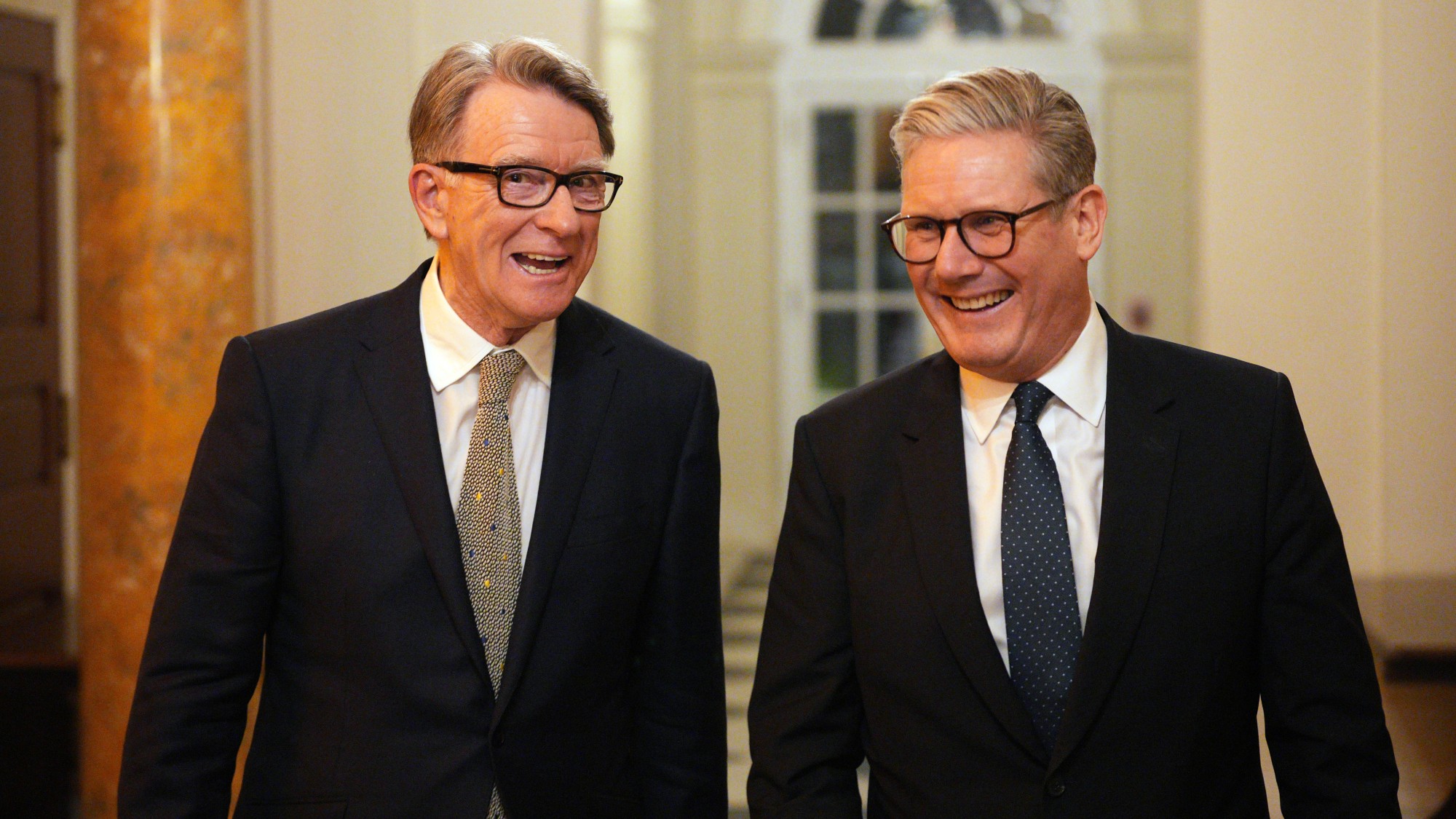
It’s a cynical bet. It assumes that the British public has a short memory. But with the 24-hour news cycle and social media, nothing ever really dies. Every time Starmer talks about integrity, someone is going to tweet a picture of him and Mandelson.
The Reality of Political Pressure in 2026
Pressure to resign used to mean something specific. It used to mean you’d lost the support of your party. Today, it’s a constant background noise. Starmer knows that as long as he has the numbers in Parliament, he can technically stay. But leading and just "staying" are two very different things.
A Prime Minister who is constantly defending his staff or his advisors is a Prime Minister who isn't passing legislation. The legislative agenda is already starting to stall. Civil servants are reportedly hesitant to move forward on certain trade files linked to Mandelson’s sphere of influence. This is where the damage becomes real. It’s not just a headline anymore; it’s a government that’s paralyzed by its own shadow.
How This Ends for Starmer
He won't resign this week. He won't resign next month. But he has been weakened. The Mandelson situation has provided a template for how to attack him. It has shown that his "Mr. Integrity" armor has a massive chink in it.
To fix this, Starmer needs to do more than just resist. He needs a total purge of the "gray area" advisors. He needs to implement a transparency register that actually has teeth. He needs to stop acting like he’s being unfairly picked on and start acting like the leader he claimed to be.
If he doesn't, the calls for his resignation will only get louder. They’ll start coming from inside his own cabinet. We’ve seen this movie before in British politics. It usually ends with a tearful speech outside the black door of Number 10. Starmer thinks he can write a different ending, but the script is looking awfully familiar.
You should keep a close eye on the upcoming local elections. If Labour’s vote share dips in their heartlands, the "ignorance" defense will collapse. At that point, the party will decide that Starmer is more of a liability than an asset. That’s the moment the real pressure starts.
Watch the backbenchers. They're the ones who will ultimately decide if Starmer's ignorance is a firing offense. If you want to see where this is going, stop looking at Starmer and start looking at the people sitting behind him in the House of Commons. They’re the ones doing the math. And right now, the numbers don't look good for the Prime Minister.