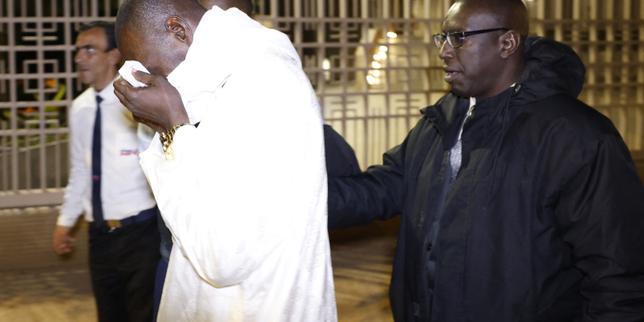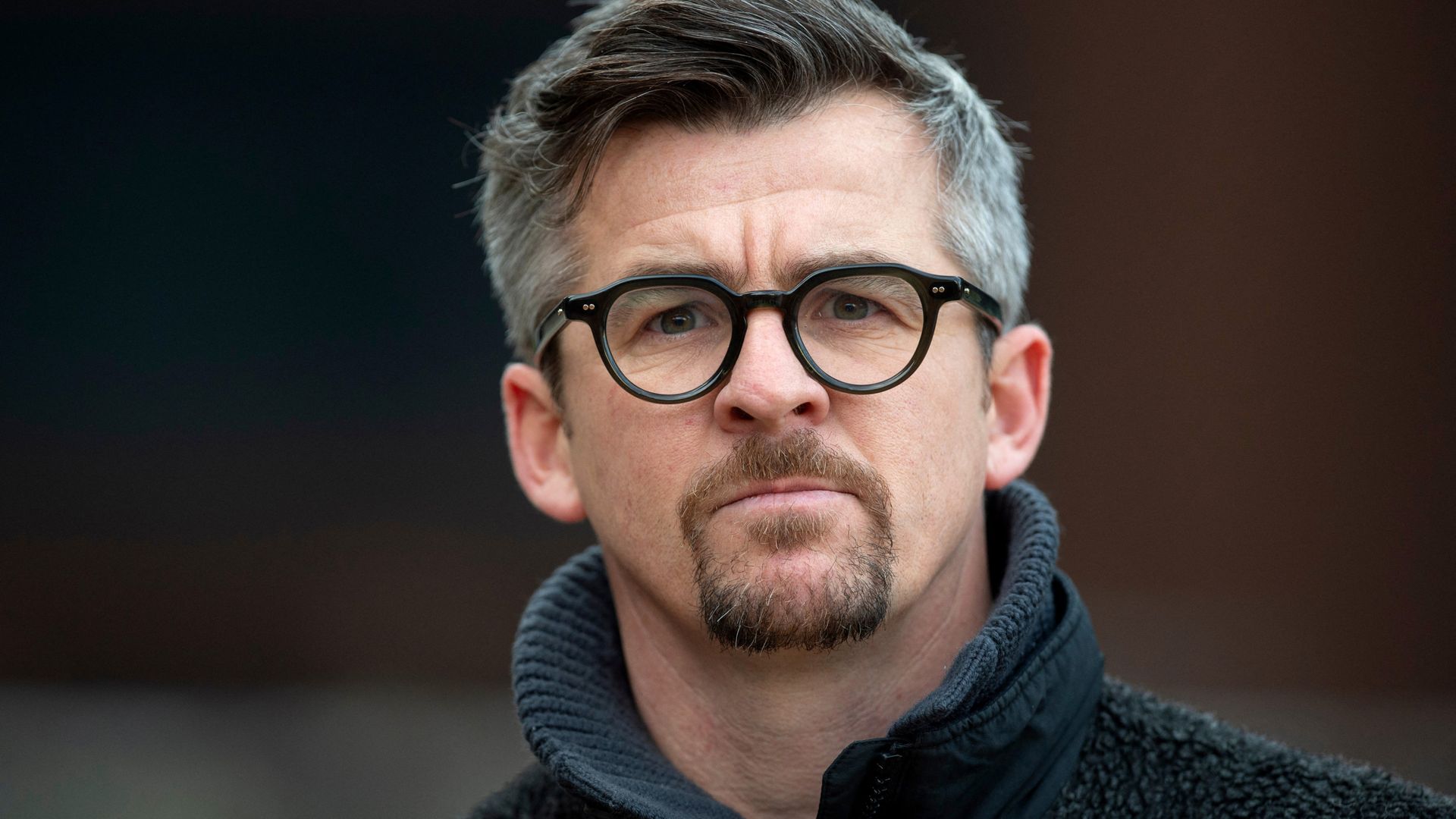
Former professional footballer and manager Joey Barton has entered a formal plea of not guilty regarding an alleged assault at a golf club in Liverpool. The 43-year-old appeared at Sefton Magistrates’ Court to address accusations stemming from an incident involving another man during a social outing. While the headlines focus on the immediate courtroom drama, this case represents the latest chapter in a career defined as much by legal scrutiny as by sporting achievement.
The incident reportedly took place in the summer of 2025 at a well-known local course. Prosecutors allege that Barton was involved in a physical altercation that left a man with facial injuries. Barton, however, has maintained a steadfast defense from the moment the allegations surfaced. Standing in the dock, he spoke only to confirm his personal details and to enter his plea. His legal team has indicated they will aggressively contest the version of events provided by the prosecution, suggesting that the evidence currently on the table does not tell the full story of what transpired on the green.
The Specifics of the Allegation
The Crown Prosecution Service has outlined a case that hinges on witness testimony from club members and staff. According to initial reports, a disagreement between two groups escalated rapidly. Alcohol, often a factor in such environments, has been mentioned in preliminary briefings, though the court has yet to establish the level of involvement or its impact on the events. The complainant alleges that he was struck without provocation, leading to a police investigation and the subsequent charges.
Defense solicitors for Barton are expected to pivot toward a narrative of self-defense or mistaken identity regarding the escalation. They have requested access to all available CCTV footage from the clubhouse and surrounding areas, arguing that the context of the interaction is vital. In many high-profile assault cases involving public figures, the "why" becomes a battlefield of its own. Was there verbal provocation? Did the physical contact meet the legal threshold for assault? These are the questions that will dominate the upcoming trial.
A Career Under the Microscope
To understand the weight of these charges, one must look at the trajectory of Barton’s post-playing life. Since retiring from the pitch, he has transitioned into management and, more recently, a controversial role as a social media commentator. His digital presence has become a lightning rod for debate, often overshadowing his tactical contributions to the game. This trial does not exist in a vacuum; it lands in the middle of a broader public conversation about his character and his future in the industry.
Legal Strategy and the Road to Trial
The case has been adjourned for a full trial, which is expected to take place later this year. This delay is standard for contested assault charges in the UK’s backlogged judicial system. For Barton, the stakes are remarkably high. A conviction could result in significant fines, community service, or even custodial time, depending on the severity of the findings and his prior legal history.
His defense team is likely to scrutinize the credibility of the witnesses. In high-stakes environments like exclusive golf clubs, testimony can often be conflicting. Memory is a fickle thing, especially when filtered through the lens of a chaotic, fast-moving incident. By focusing on the inconsistencies in the prosecution’s timeline, the defense aims to create the reasonable doubt necessary for an acquittal.
The Public Perception Factor
While the law operates on facts and evidence, the court of public opinion moves much faster. Barton has built a reputation on being a "straight talker," a persona that earns him both fierce loyalty and intense criticism. This latest legal hurdle provides fuel for those who argue his temperament is ill-suited for the modern sporting world. Conversely, his supporters view the charges as another example of a high-profile target being unfairly scrutinized.
The media circus surrounding the Sefton Magistrates’ Court appearance was a reminder of Barton's enduring relevance. Photographers and reporters crowded the entrance, reflecting the public's fascination with the fallibility of sporting icons. It is a spectacle that Barton is used to, having navigated various controversies throughout his decades in the spotlight.
Examining the Burden of Proof
In English law, the burden of proof rests entirely on the prosecution. They must prove beyond a reasonable doubt that Barton committed the assault. This is a high bar. If the defense can demonstrate that the complainant was the aggressor, or that Barton’s actions were a proportionate response to a perceived threat, the case falls apart.
Proportionality is the keyword here. The law allows an individual to use force to protect themselves, but that force must be reasonable. If a push is met with a punch, the legal protection of self-defense often evaporates. The court will spend significant time deconstructing the seconds-long window where the alleged assault occurred. They will look at body language, the distance between the individuals, and the nature of the injuries sustained.
Impact on Management Prospects
Barton’s managerial career has been on hiatus as he focuses on his media endeavors. However, a legal cloud of this magnitude makes any return to the dugout nearly impossible in the short term. Professional clubs are increasingly wary of reputational risk. They look for stability and leadership, qualities that are difficult to project when facing criminal proceedings.
The outcome of this trial will dictate whether Barton remains a fringe figure in the sport or if he can successfully re-enter the professional fold. Even an acquittal does not guarantee a return to the status quo. The "stain" of an arrest and trial often lingers long after the jury delivers a verdict.
The Broader Context of Athlete Conduct
This case highlights a recurring theme in professional sports: the difficulty of transitioning from the structured, high-intensity world of the locker room to the relatively mundane realities of civilian life. Many athletes struggle with the lack of adrenaline and the loss of the "protected" status afforded by their clubs. While golf is often seen as a serene pastime, it is also a site of intense competition and social friction.
The incident at the golf club serves as a cautionary tale about the volatility of high-profile personalities in public spaces. It raises questions about the responsibility of former athletes to maintain a standard of conduct, even when they are no longer officially representing a team. For Barton, the next few months will be a test of his resolve and his legal team's ability to navigate a complex set of allegations.
The court has granted Barton unconditional bail. He left the building without making a statement to the press, a rare moment of silence for a man usually known for having the last word. The legal machinery is now in motion, and the focus shifts from the clubhouse to the courtroom, where the truth of that summer day will finally be tested under oath.