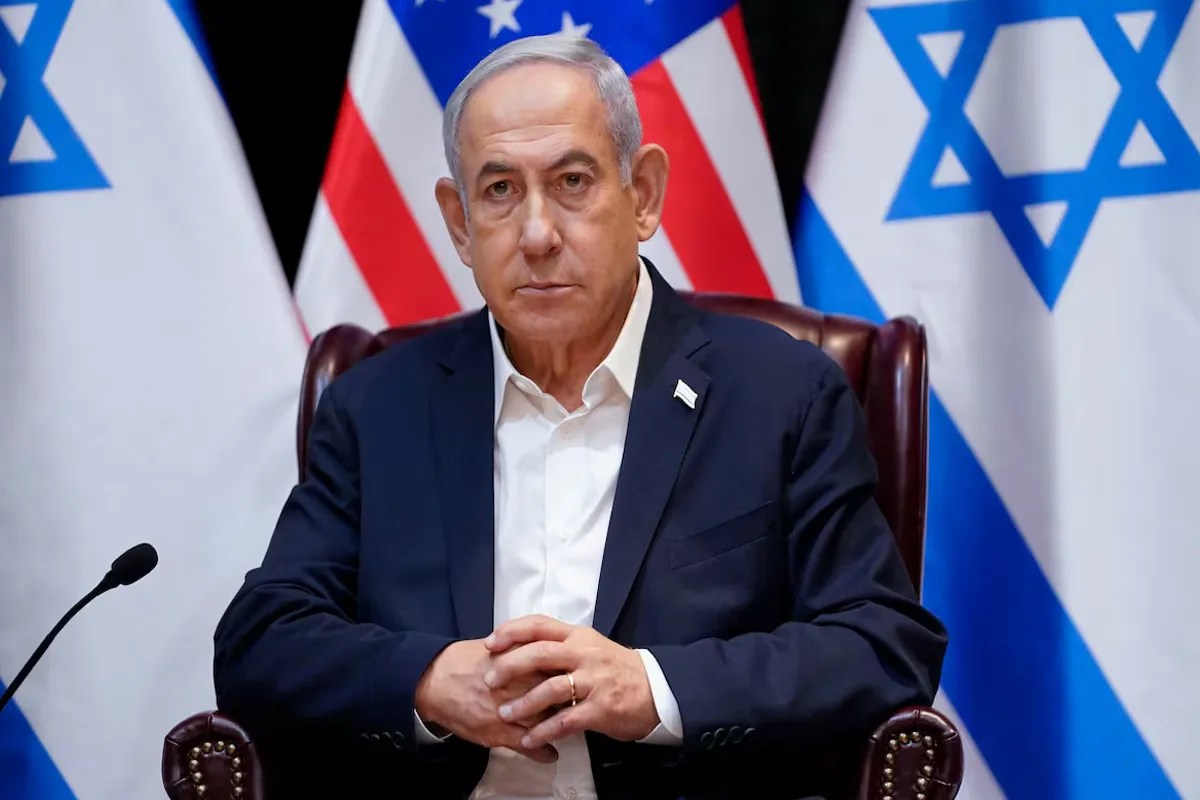
The resumption of normal judicial proceedings in Israel, following a protracted period of emergency status, represents more than a return to bureaucratic normalcy; it marks the reactivation of a high-stakes legal mechanism that directly threatens the political stability of the Netanyahu administration. Prime Minister Benjamin Netanyahu now faces a convergence of criminal proceedings that had been effectively frozen by the suspension of routine court operations. This is not a singular event but a multi-vector legal pressure point that tests the structural integrity of the Israeli executive branch and its relationship with the judiciary.
The Legal Freeze and the Mechanics of Thaw
The suspension of court activities—often justified under "emergency" declarations related to security or national instability—serves as a temporary stay of execution for high-profile defendants. In the case of Prime Minister Netanyahu, this freeze acted as a pressure cooker. By halting witness testimonies and the presentation of evidence in his ongoing corruption trials, the legal system created a backlog of accountability that is now being released with accelerated velocity. If you liked this piece, you should look at: this related article.
The transition from emergency status to regular operations is governed by the Ministry of Justice and the court presidency. Once the "special state of emergency" is lifted, the court is mandated to resume its calendar at the point of interruption. For Netanyahu, this means an immediate return to the witness stand and a rigorous schedule of hearings, typically occurring several times a week. This creates a functional bottleneck: a sitting Prime Minister must simultaneously manage wartime or post-conflict governance while appearing physically in a courtroom to defend against charges of bribery, fraud, and breach of trust.
The Three Vectors of Prosecution
To understand the severity of the Prime Minister’s position, one must categorize the legal threats into three distinct operational cases, each possessing its own evidentiary weight and political fallout. For another angle on this development, refer to the latest coverage from The Guardian.
- Case 4000 (The Bezeq-Walla Affair): This represents the most significant threat, focusing on the allegation of a quid pro quo relationship between Netanyahu and the majority shareholder of the Bezeq telecommunications group. The prosecution argues that regulatory benefits worth hundreds of millions of dollars were granted in exchange for favorable media coverage. The resumption of this case brings forward key state witnesses whose testimonies were interrupted, potentially providing the "smoking gun" regarding intent.
- Case 1000 (The Illegal Gifts Affair): While framed by the defense as a series of social gestures between friends, the prosecution views the systematic receipt of high-value items from wealthy businessmen as a fundamental breach of trust. The logic here is not just about the value of the goods, but the creation of a dependency loop that compromises executive objectivity.
- Case 2000 (The Yediot Aharonot Affair): This case explores the transactional nature of political power and media influence. The core of the prosecution's logic rests on the attempt to weaken a competing newspaper in exchange for better coverage from a primary rival.
The Friction Between Executive Duty and Judicial Accountability
The resumption of these trials introduces a friction coefficient into the daily operations of the Prime Minister's Office (PMO). In a standard corporate or political environment, a leader facing these levels of litigation would be expected to step aside. However, the Israeli legal framework allows a Prime Minister to remain in office while on trial, creating a unique "Parallel Governance" model where the leader spends his mornings in a courtroom and his afternoons in the security cabinet.
This duality creates several operational failures:
- Attention Scarcity: The cognitive load required to manage complex legal defense strategies inevitably detracts from national strategic planning.
- Conflict of Interest: The Prime Minister is tasked with appointing the very judges, prosecutors, and police commissioners who oversee his investigations. This creates a feedback loop where every administrative appointment is scrutinized for ulterior legal motives.
- Diplomatic Capital Erosion: External state actors view a leader under trial as a high-risk partner. The "lame duck" perception is accelerated not by an upcoming election, but by the potential for a sudden judicial disqualification.
Judicial Independence as a Variable of State Stability
The sudden "bad luck" described by observers regarding Netanyahu’s return to court is actually the result of a deliberate, independent judicial timeline. In Israel, the judiciary operates on a trajectory that is theoretically decoupled from the political cycle. When the emergency regulations expired, the court did not wait for a politically convenient window; it followed its internal logic of "continuity of justice."
This independence creates a systemic shock. The government’s previous attempts to overhaul the judiciary—which triggered mass protests—were largely perceived as an effort to gain control over the very mechanism now summoning the Prime Minister. The failure of those reforms to take full effect means that the court remains a potent, autonomous check on executive power. The "Emergency Thaw" proves that the judiciary can remain dormant under legitimate crisis conditions but retains the ability to self-reactivate without executive permission.
The Role of State Witnesses and Evidence Saturation
A critical component of the post-emergency phase is the re-engagement of state witnesses. These individuals, often former close associates or senior officials within the Netanyahu circle, provide the internal context that documents cannot. Their testimonies are susceptible to "memory decay" over long pauses. The prosecution’s primary goal in the coming days is to achieve "evidence saturation"—reintroducing enough testimony to make a dismissal of the charges impossible before any new political crisis can justify another court freeze.
The defense strategy, conversely, focuses on "procedural attrition." By challenging the validity of the evidence gathering and highlighting the length of time the trials have taken, they seek to create a narrative of a "perpetual trial" that loses its moral authority over time. However, the sheer volume of recorded conversations and digital footprints in Case 4000 makes attrition a difficult path.
The Inevitability of the Verdict Timeline
With the courts now operating at full capacity, the timeline toward a verdict has shortened significantly. We are entering a phase of "Legal Convergence," where the findings of the three cases will likely be delivered in a compressed window. This creates a binary outcome for the Israeli political system.
If the court finds Netanyahu guilty in the more severe cases (specifically Case 4000), the legal requirement for his resignation will trigger a constitutional crisis. If he is acquitted, it will be viewed by his supporters as a vindication against a "deep state" overreach, potentially emboldening further attacks on judicial independence.
The strategic play for the Israeli opposition and the civil society movements is no longer just political protest; it is the protection of the judicial process itself. Any attempt to re-institute emergency measures that are not strictly tied to an existential security threat will be viewed as an interference with the course of justice.
The administration’s immediate challenge is to maintain the appearance of governance while the Prime Minister’s personal legal defense becomes the dominant narrative of the state. This is a high-entropy environment where the variables are no longer controlled by the Prime Minister’s Office, but by a three-judge panel in Jerusalem. The resumption of the trial is the ultimate stress test for the principle that no individual, regardless of their mandate, is immune to the machinery of the law.
The strategic trajectory for the coming weeks involves a rapid-fire sequence of testimonies. The prosecution will likely prioritize the most damaging witnesses to establish a "guilt baseline" before any potential political shifts can occur. For Netanyahu, the window for a plea deal—which many analysts suggested was his only exit—is rapidly closing as the court gains momentum. The trial is no longer a looming shadow; it is the primary arena of Israeli power.