Don't buy the narrative that the sudden quiet between Washington and Tehran means we've found a path to peace. It hasn't. What we're seeing right now is a tactical "theatre of the absurd" where every player is frozen in place, waiting for the real show to start in Beijing. Foreign affairs expert Sachdev recently flagged this tactical pause in the Iran-US conflict as a calculated breather before the Trump-Xi summit, and he's spot on. Everyone is holding their breath. But a held breath isn't a heartbeat. It’s a temporary suspension of reality.
The tension hasn't evaporated. It’s just been repackaged. Iran knows that its leverage depends entirely on how much of a headache it can cause for the U.S. while the Americans are busy trying to outmaneuver China. Meanwhile, the U.S. doesn't want a messy regional war on the side while they're trying to negotiate trade and tech dominance with Xi Jinping. This isn't diplomacy. It's a strategic timeout.
Why the Trump Xi Summit Dictates the Middle East
Geopolitics doesn't happen in a vacuum. You can't look at Tehran without looking at Beijing. China is Iran's biggest buyer of oil, often through "dark fleet" tankers that bypass sanctions. This gives Xi a massive card to play at the negotiating table. If Trump wants concessions on trade or fentanyl, Xi can offer to tighten the leash on Iran’s economy.
It’s a game of chess where the board is the size of the planet. Iran understands this perfectly. They’re staying relatively quiet—avoiding any massive escalations that would force a military response—to see what kind of deal gets cut in Beijing. If the U.S. and China find common ground, Iran loses its shield. If the summit fails, expect the Middle East to get very loud, very fast.
The "theatre" Sachdev mentions is about optics. It’s about making sure neither side looks like the aggressor while the world's two biggest economies try to hash out a new world order. Trump has always preferred the "Art of the Deal" style of grand summits over the slow grind of traditional statecraft. He wants a win with Xi. A blowup with Iran right now would distract from that "big win" energy.
The Illusion of De-escalation
We often mistake a lack of explosions for progress. That’s a mistake. Right now, Iran is still enriching uranium. They’re still funding proxies from Lebanon to Yemen. The U.S. is still maintaining a massive carrier presence in the region and keeping the sanctions pressure at a boiling point. Nothing has actually changed on the ground.
I’ve seen this pattern before. It’s the "strategic patience" trap. We think we’re winning because the headlines aren't screaming about missile strikes today. In reality, the silence allows both sides to rearm, rethink, and reposition. Iran is likely using this lull to shore up its internal defenses and ensure its proxy network is ready for whatever comes after the Beijing summit. They aren't backing down; they're calibrating.
What Sachdev Gets Right About the Absurdity
Calling this a theatre of the absurd is the most honest way to describe it. You have diplomats talking about "stability" while their respective militaries are running war games. You have leaders shaking hands while their cyber units try to take down each other's power grids. It’s a performance.
The absurdity lies in the fact that everyone knows the "pause" is fake. The U.S. knows Iran isn't stopping its regional ambitions. Iran knows the U.S. isn't going to lift sanctions for nothing. Yet, they both agree to pretend for a few weeks because the China factor is simply too big to ignore. It’s a forced cooperation born of mutual exhaustion and a shared focus on a third party.
The Economic Reality Behind the Silence
Money talks. Usually, it shouts. Iran’s economy is in rough shape, and they desperately need the oil revenue that China provides. If the Trump-Xi summit results in a "grand bargain" that includes stricter enforcement of Iranian energy sanctions, the regime in Tehran faces an existential crisis.
- Oil Exports: Iran is currently moving over 1.5 million barrels a day, mostly to independent Chinese refineries.
- Currency Devaluation: The Rial has been in a tailspin, making every day of "peace" a chance for the regime to try and stabilize domestic unrest.
- Sanctions Pressure: The "Maximum Pressure" 2.0 approach is looming, and Tehran is trying to figure out if they can survive another four years of it.
For Trump, the Iran situation is a leverage point against Xi. He can tell the Chinese, "Help us choke off Tehran’s funding, and maybe we’ll be more flexible on those semiconductor tariffs." It’s cold. It’s transactional. And it’s exactly how this administration operates.
Proxy Groups and the Invisible War
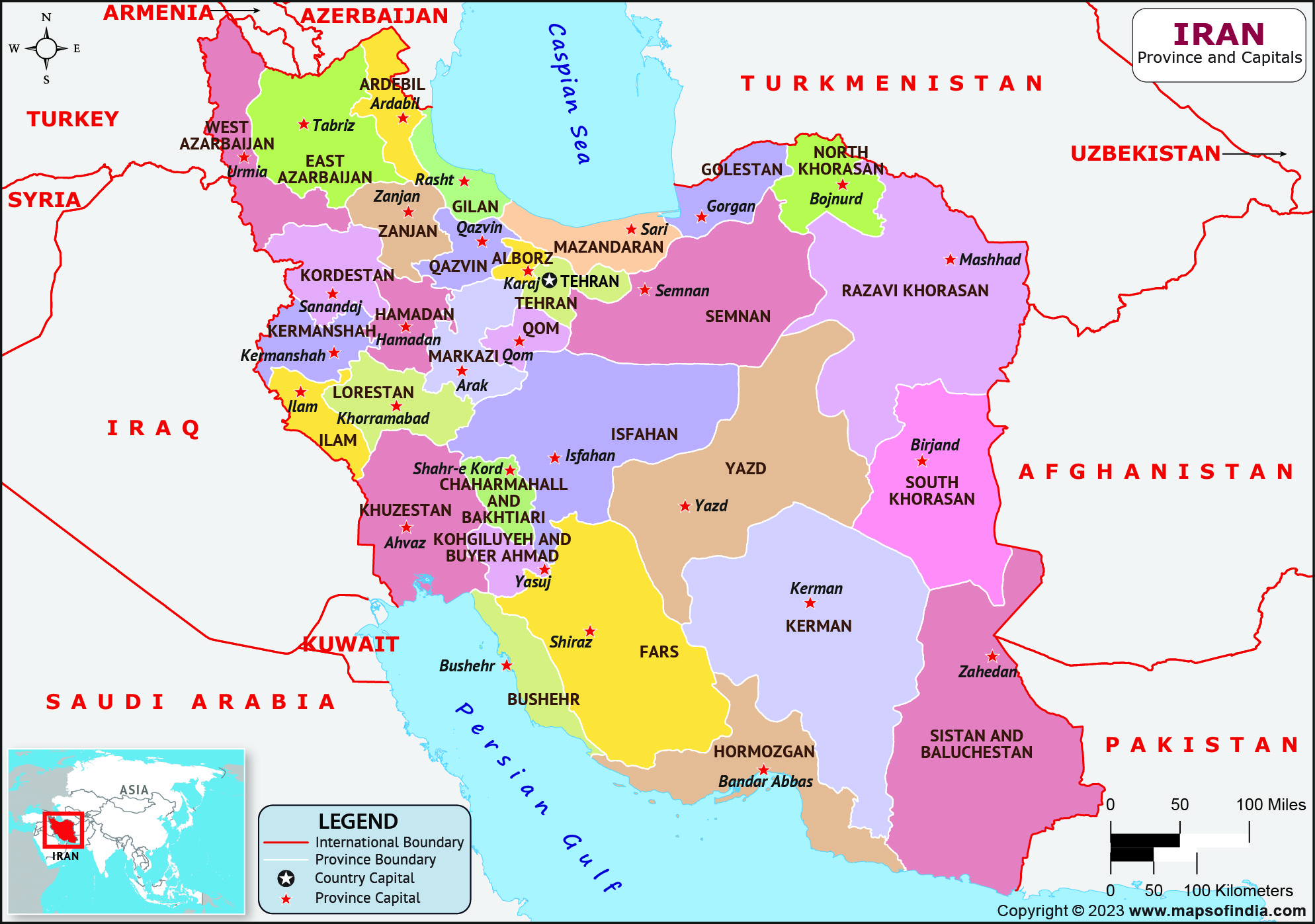
While the "theatre" plays out on the world stage, the invisible war continues. Don't think for a second that the IRGC (Islamic Revolutionary Guard Corps) has gone on vacation. They’re likely using this time to move equipment under the radar while the world’s satellites are focused on the South China Sea and the diplomatic convoys in Beijing.
The Houthis in Yemen, Hezbollah in Lebanon, and various militias in Iraq and Syria are all part of this script. They can be turned up or down like a volume knob. Right now, the volume is at a "3." After the summit, someone might crank it to an "11" depending on how the talks go. This isn't a peace process; it’s a remote control conflict.
Preparing for the Post Summit Reality
Once the planes leave Beijing, the masks come off. If the summit is a success, we might see a more coordinated effort to bring Iran back to a negotiation that actually has teeth. If it’s a disaster, the "pause" will end with a bang.
You need to watch the rhetoric coming out of the State Department immediately following the China talks. That’s where the real signal will be. Forget the "theatre" of the next few days. The script for the rest of the year is being written in a closed room in Beijing right now.
The best thing you can do is stop looking at these events as isolated incidents. The Middle East isn't a separate story from the trade war with China. They are two chapters in the same book. When the U.S. pauses one conflict, it's usually because they’re trying to win another one. This tactical breather is a warning, not a relief. Keep your eyes on the oil prices and the shipping lanes. That’s where the first cracks in this "pause" will show up.
Watch the "dark fleet" movements in the Persian Gulf. If those tankers start slowing down or changing routes, you’ll know the Beijing talks are hitting Iran’s bottom line. If the flow continues or increases, the theatre was just a distraction while business as usual continued behind the curtain. Pay attention to the actions, not the actors. The play is almost over, and the real world is about to intrude.