Don't expect an Iranian motorcade to roll into Islamabad anytime soon. Despite the flurry of diplomatic whispers and the "will they, won't they" tension of the last 48 hours, Tehran is digging in its heels. Reports from Tasnim news agency make it clear: Iran hasn't made any move to send a negotiating team to Pakistan.
The reason? A naval blockade that’s currently choking Iranian ports.
It's a classic geopolitical standoff. You've got the U.S. and Israel on one side, ramping up the pressure, and Iran on the other, refusing to sit at a table while there’s a metaphorical (and literal) noose around its neck. If you’re following this thinking a breakthrough is imminent, you’re probably looking at the wrong map.
The blockade that stopped the talking
For those of us watching the Strait of Hormuz, this isn't just about ships and cargo. It’s about leverage. The U.S. Central Command recently claimed they’ve turned around 14 vessels in just three days since Washington’s blockade of Iranian ports went into effect. Basically, the U.S. is trying to starve the Iranian economy into submission before the ink even hits the paper on a new deal.
Iran’s response is predictably blunt. They aren't sending a delegation because they view the blockade as an act of war, not a precursor to peace. Tasnim, which usually reflects the inner thinking of the Iranian security establishment, was quick to shoot down rumors that Foreign Minister Abbas Araghchi was already on his way to Islamabad.
The optics matter here. If Iran shows up now, it looks like they're surrendering. They won’t do that.
Pakistan is caught in the middle again
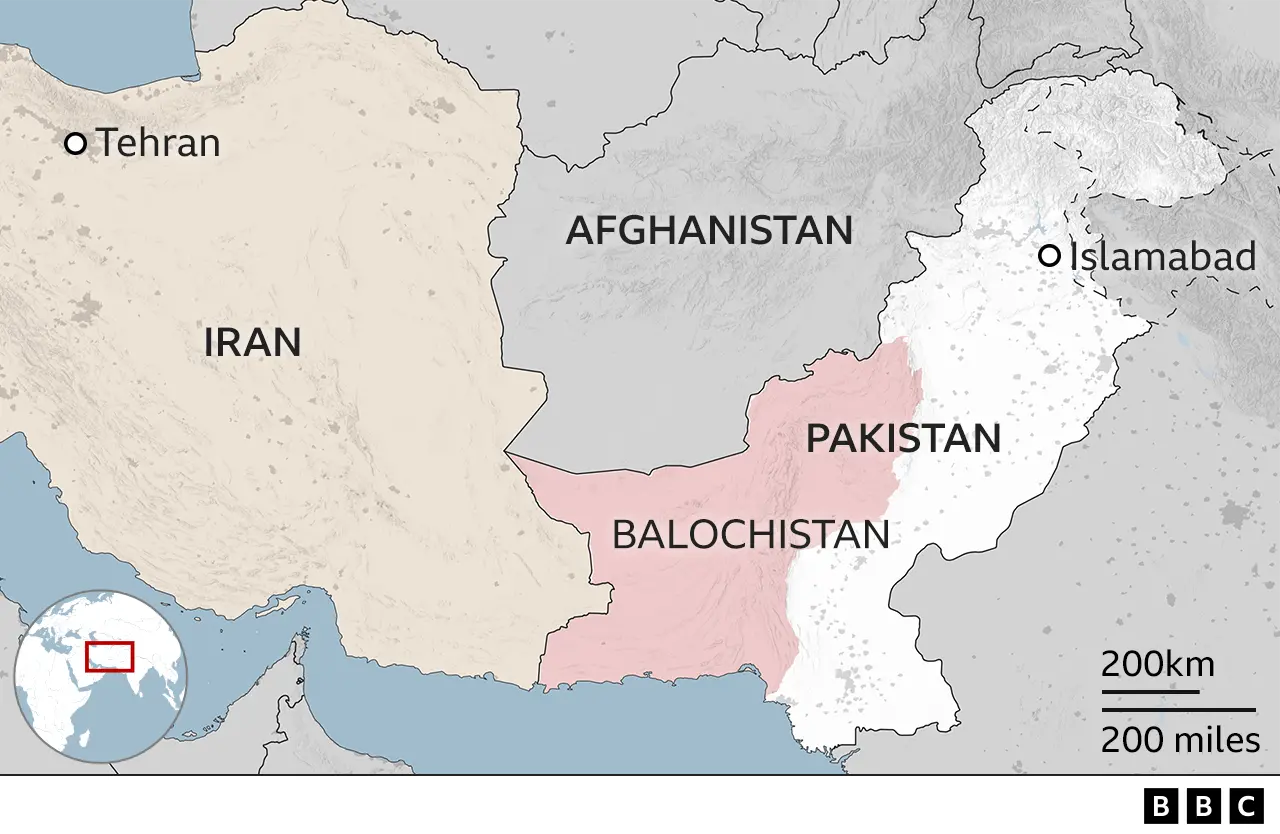
Pakistan has been trying to play the hero in this saga, and honestly, you can’t blame them. They share a 900-kilometer border with Iran and have a front-row seat to the chaos. Prime Minister Shehbaz Sharif has been doing the rounds—Jeddah, Doha, you name it—trying to keep the "Islamabad Peace Process" alive.
But there’s a limit to what shuttle diplomacy can do when the big players won’t play ball. Pakistan offered Islamabad as a neutral ground, and for a second there, it looked like it might work. There was even talk of J.D. Vance leading a U.S. delegation to meet the Iranians. But a meeting requires two parties, and Iran just pulled its RSVP.
What most people get wrong about this standoff
Most analysts keep talking about "nuclear deals" or "regional stability" as the main friction points. Those are important, sure, but the immediate hurdle is much simpler: trust is at absolute zero.
Think about it. The U.S. and Israel launched strikes in late February that wiped out high-tier Iranian leadership, including the Supreme Leader. You don't just bounce back from that with a few rounds of coffee in a Marriott in Islamabad. Iran sees these talks as a trap. They believe the U.S. wants to use the ceasefire period to tighten the blockade and regroup.
- The U.S. stance: "We’re ready to talk, but we won't stop the pressure until a deal is signed."
- The Iranian stance: "We won't talk until the pressure stops."
It’s a circular argument that leads nowhere.
The high stakes of the Islamabad Peace Process
If these talks actually fall apart for good, the fallout won't just stay in Tehran or D.C. We’re talking about an energy crisis that’s already sent fuel prices in Pakistan to record highs—petrol is hitting nearly 460 PKR per liter. That’s enough to trigger massive domestic unrest.
Pakistan's Navy has already launched Operation Muhafiz-ul-Bahr just to keep oil tankers reaching Karachi. This isn't some abstract diplomatic exercise. It's a fight for survival for the middle powers in the region.
Where things go from here
So, what’s the next move? If you're looking for a sign of progress, don't watch the news tickers for delegation arrivals. Watch the water.
Unless the U.S. eases the naval blockade or Iran decides that the economic pain of the blockade is worse than the political pain of "negotiating under duress," the Islamabad Peace Process is effectively on ice. Tehran is making it clear: they won't be bullied into a meeting.
Keep an eye on the April 20 to 26 window. That was supposed to be the "second phase" of the talks. If those dates pass without a single Iranian official landing in Pakistan, you can bet the regional temperature is about to spike again.
Stay tuned to the ship movements in the Gulf. That’s where the real story is being written, not in the press releases.