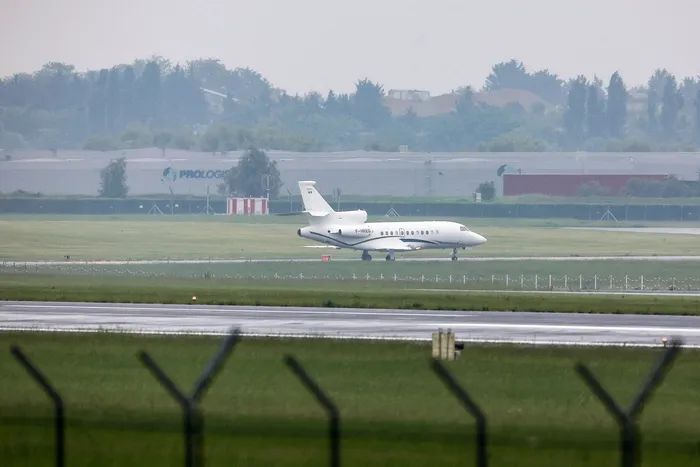
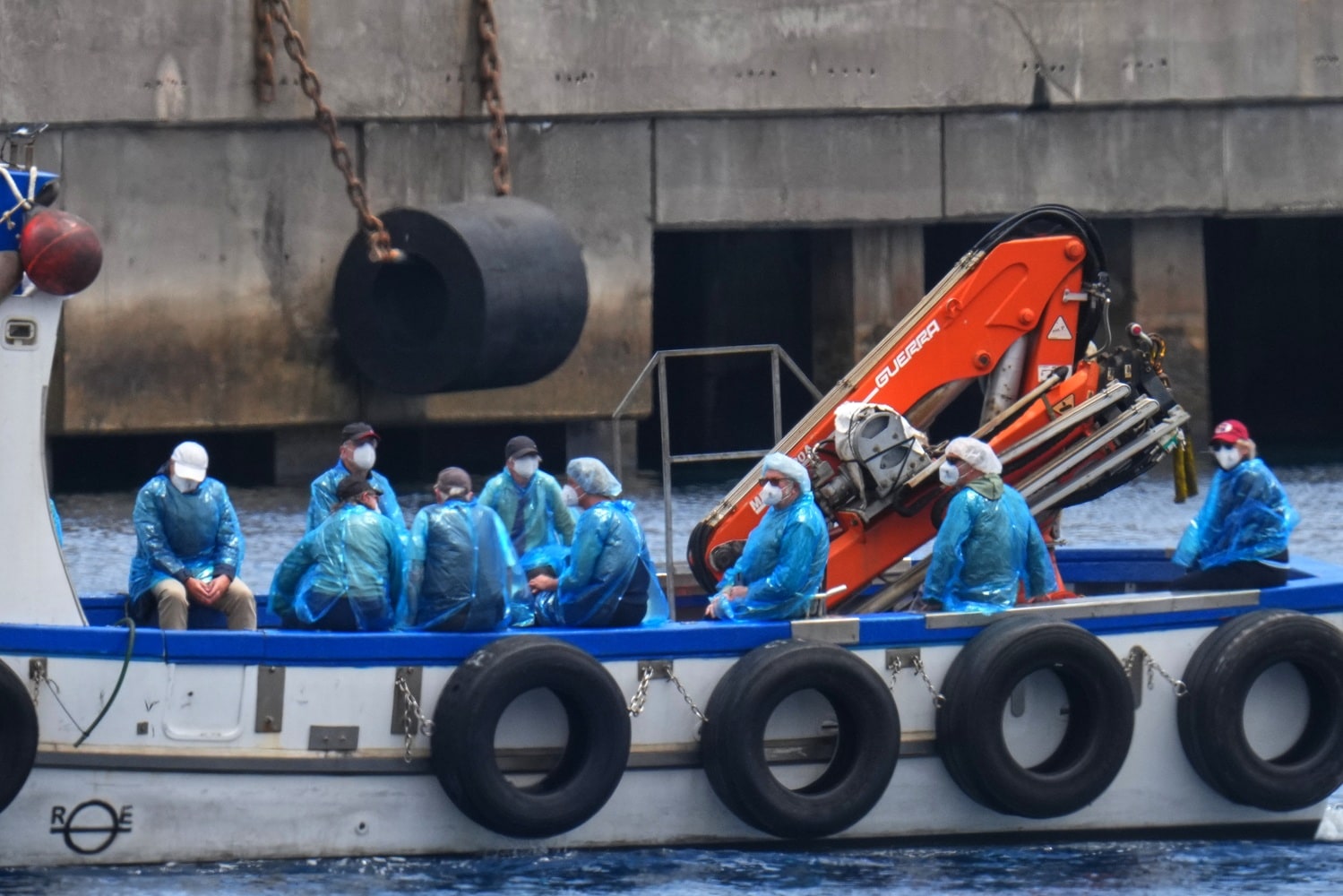
The air inside a pressurized cabin is a peculiar thing. It is filtered, scrubbed, and recycled, yet it always carries the faint, metallic tang of recycled breath and expensive perfume. For the passengers aboard the evacuation flight from a remote outpost, that air represented a transition. It was the scent of safety. They were leaving behind the dust and the uncertainty of a high-risk region, headed toward the sterile comfort of a modern hospital.
But safety is often an illusion maintained by a lack of data.
While the passengers watched the clouds from 30,000 feet, something microscopic was already at work. It didn’t announce itself with a bang. It didn't trigger an alarm. It simply hitched a ride. One passenger, already flagged for medical evacuation, carried a secret in their bloodstream—a viral signature that would soon send ripples of quiet panic through the public health sector.
The test results came back positive. Hantavirus.
To understand the weight of that word, you have to look past the clinical definitions. Most people hear "virus" and think of the flu, a week of misery followed by a return to the status quo. Hantavirus is different. It is a ghost in the machine. It is a pathogen born of the wilderness, usually transmitted through the most mundane of interactions: a breath of dust in a shed, a touch of a contaminated surface in a cabin, or the simple act of being in the wrong place when a rodent has left its mark.
The Anatomy of a Breath
Think of the lungs as a delicate, sprawling garden. Every breath is supposed to bring life to the soil. When Hantavirus enters the system, it doesn’t just cause a cough. It targets the very vessels that facilitate the exchange of life. The capillaries—the tiny, thin-walled pipes of our circulatory system—begin to leak.
Imagine a hose with a thousand pinpricks.
The fluid that should stay within the channels of the body begins to seep into the air sacs. This is the physiological betrayal at the heart of Hantavirus Pulmonary Syndrome (HPS). The body begins to drown from the inside out, not because of external water, but because its own internal plumbing has failed.
For the passenger on that flight, the symptoms likely started as a cruel mimicry. A fever. A dull ache in the large muscles of the thighs and back. It feels like exhaustion. It feels like the price of travel. But then comes the shift. The shortness of breath arrives like a weight on the chest, a tightening knot that no amount of deep breathing can loosen.
The Second Shadow
As the first case was confirmed, the narrative shifted from an isolated incident to a developing crisis. A second person fell ill.
This is where the human element becomes a frantic puzzle. Public health officials aren't just looking at charts; they are retracing steps. They are looking at the seats on the plane, the shared handles in the terminal, and the proximity of one human life to another.
We often treat "incubation periods" as cold, mathematical ranges—one to eight weeks. In reality, that period is a ticking clock for the families involved. It is a month of waking up every morning and checking for a dry throat or a slight temperature. It is the psychological toll of knowing you were in the presence of a pathogen that boasts a mortality rate of nearly 40 percent.
Consider the weight of those odds. In a room of ten people infected with HPS, four may not make it home. That isn’t a statistic meant to scare; it is a reality that dictates why every single case is treated with the intensity of a national security breach.
The Rodent and the Road
There is a deep irony in how we encounter this threat. We are a species that has conquered the globe, built skyscrapers, and split the atom, yet we are frequently humbled by the Deer Mouse.
The virus doesn't want to kill us. In fact, it doesn't even make the rodents sick. They carry it as a lifelong passenger, shedding it into the environment through their waste. When that waste dries and becomes airborne—a process called aerosolization—it becomes a weapon.
A hiker opening a long-closed summer cabin.
A worker sweeping out a dusty warehouse.
A traveler resting in a remote outpost.
These are the moments of intersection. It is a reminder that as we push further into the edges of the wild, the wild pushes back in ways we cannot see. We are constantly negotiating our space with creatures that operate on an entirely different biological frequency.
The Friction of Fear
When the news of the second illness broke, the immediate reaction was a search for someone to blame. Why were they evacuated together? Was the screening rigorous enough? These are the questions born of fear, a desire to find a flaw in the system that we can fix with a new protocol or a sturdier mask.
But the truth is more uncomfortable.
Pathogens are opportunistic. They exploit the cracks in our global connectivity. We live in an era where a person can be in a remote, rural environment one day and a bustling metropolitan center the next. The speed of our travel outpaces the speed of our symptoms.
The doctors treating these patients are operating in a high-stakes environment where time is the only currency that matters. There is no "cure" for Hantavirus in the traditional sense. There is no magic pill that dissolves the virus. There is only "supportive care."
That is a gentle term for a brutal battle. It means intubation. It means mechanical ventilation. It means the medical team takes over the functions of the body, breathing for the patient and managing their fluids, hoping the immune system can rally before the lungs are overwhelmed. It is a waiting game played out in the blue light of intensive care monitors.
The Quiet Vigil
Outside the hospital walls, the world moves on. The headlines flicker and fade, replaced by the next political scandal or celebrity gaffe. But for the people in those beds, and the families waiting in the corridors, the world has narrowed down to a single metric: oxygen saturation.
We tend to think of health as a permanent state, something we own. Events like this remind us that health is a fragile equilibrium. We are walking ecosystems, and sometimes, an uninvited guest takes over.
The confirmation of these cases isn't just a news item about a rare disease. It is a story about human vulnerability. It is about the person who stepped onto a plane thinking about their destination, unaware that their body was becoming a battlefield. It is about the second person, now lying in a bed, wondering if a shared flight has changed the trajectory of their life forever.
The virus is microscopic, but its impact is massive. It changes how we view our environment, how we manage our borders, and how we care for those we bring back from the edge of the map.
As the sun sets over the hospital where these two individuals are fighting for their breath, the metallic scent of the airplane cabin is a distant memory. Now, there is only the rhythmic hiss of the ventilator and the steady, insistent beep of a heart that refuses to quit.
We are not just observers of this story. We are participants in a world where the air we share is the very thing that connects us, for better or for worse. The stowaway has been identified, the battle lines are drawn, and all that remains is the wait for the dawn.