The air in an old cabin doesn't just smell like cedar and woodsmoke. It smells like time. It carries the scent of every season that has passed through the floorboards, every winter when the mice scurried for warmth, and every spring when a family returns to sweep away the debris of the dark months. Most people see a broom as a tool of restoration. They don't see it as a trigger.
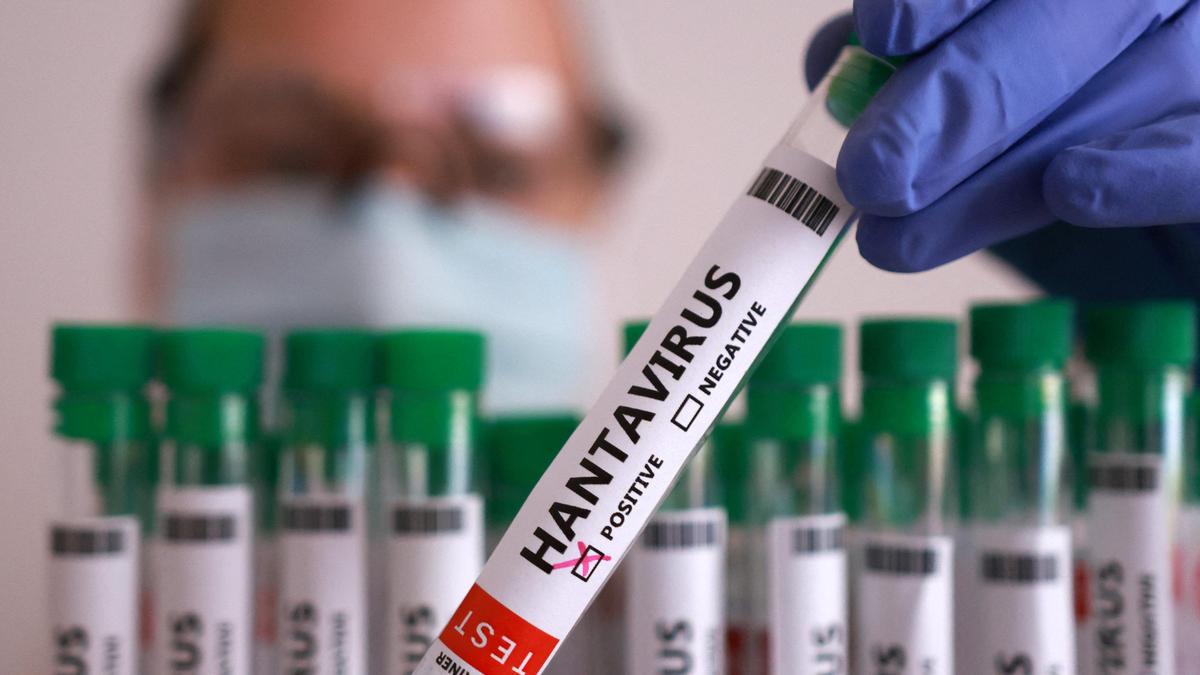
In a quiet corner of Canada, three people are currently waiting for a clock to run out. They are isolated, separated by provincial lines but joined by a shared, harrowing uncertainty. They aren't sick—not yet. But they have breathed the wrong air. They are being monitored for exposure to hantavirus, a pathogen so rare that most doctors will never see a case in their entire careers, yet so lethal it carries a mortality rate that rivals the most feared plagues of history.
This isn't a story about a pandemic. It is a story about the microscopic margin between a Saturday chore and a medical catastrophe.
The Ghost in the Grain
To understand why health officials in two provinces are holding their breath, you have to understand the deer mouse. It is a tiny, delicate creature with oversized ears and a white underbelly. It looks harmless. It looks like a character from a children’s book. But the deer mouse is the primary reservoir for Sin Nombre virus, the specific strain of hantavirus found in North America.
The virus doesn't make the mouse sick. It lives in the animal's kidneys and lungs, shedding quietly into its urine, droppings, and saliva. When a cabin or a shed is closed up for the winter, the mice move in. They nest in the insulation. They leave their mark on the shelves. As the waste dries, the virus remains viable, locked inside the organic matter.
Then comes the human. They open the door, see the mess, and grab a broom.
The moment the bristles hit the floor, the virus is "aerosolized." It becomes a mist. It enters the lungs with the ease of a deep breath. Once inside, it doesn't cause a cough or a sniffle. It begins a silent, aggressive assault on the very interface where blood meets oxygen.
The Longest Three Weeks
Health officials haven't released the names of the three individuals under watch. We don't need their names to feel the weight of their situation. We can picture the room. We can imagine the phone on the nightstand, the window looking out at a world that suddenly feels fragile.
Hantavirus Pulmonary Syndrome (HPS) has an incubation period that is agonizingly wide. Symptoms can appear as early as one week after exposure, or they can wait for five. For these three Canadians, every morning begins with a terrifying self-assessment.
Does my throat feel scratchy? Is that a muscle ache from yard work, or is it the fever starting?
The early stages are cruel because they mimic the mundane. It feels like a standard flu. Fever, headache, stomach pain. But while the flu eventually relents, HPS accelerates. Within days, the lungs begin to leak fluid. The body’s immune system, in a desperate attempt to fight the invader, ends up drowning itself. It is a rapid, terrifying decline where a patient can go from walking to a ventilator in a matter of hours.
There is no cure. No vaccine. No specific antiviral pill you can take to make it go away. The only treatment is supportive care—keeping the blood oxygenated and the heart beating long enough for the body to survive the storm. When you realize that nearly 40% of confirmed cases end in death, the silence of a three-week isolation period becomes deafening.
The Geography of Risk
While the current cases are centered in Western Canada, the risk is a quiet constant across the rural landscape. British Columbia, Alberta, and Saskatchewan have seen the majority of Canada's historical cases. It is a risk born of the intersection between human expansion and the natural world.
We build our retreats in the woods. We store our summer tires in the back of the garage. We keep our birdseed in the shed. These are all invitations to the deer mouse.
Public health experts aren't trying to cause a panic; they are trying to change a habit. They want you to stop sweeping. They want you to stop vacuuming. If you find mouse droppings, the gold standard isn't "clean it up"—it's "drown it first."
You use a mixture of bleach and water. You soak the area until the dust can no longer fly. You wear gloves. You wear a mask. You treat a simple pile of dirt as if it were a biohazard, because, in the right conditions, it is exactly that.
The Weight of the "Possible"
Why does the news of three people in isolation matter to the rest of us? It matters because it highlights the fragility of our sense of safety. We live in a world where we believe science has tamed the wilderness, where a trip to the cottage is a low-risk escape from the stresses of modern life.
But nature is never truly tamed. It is merely negotiated with.
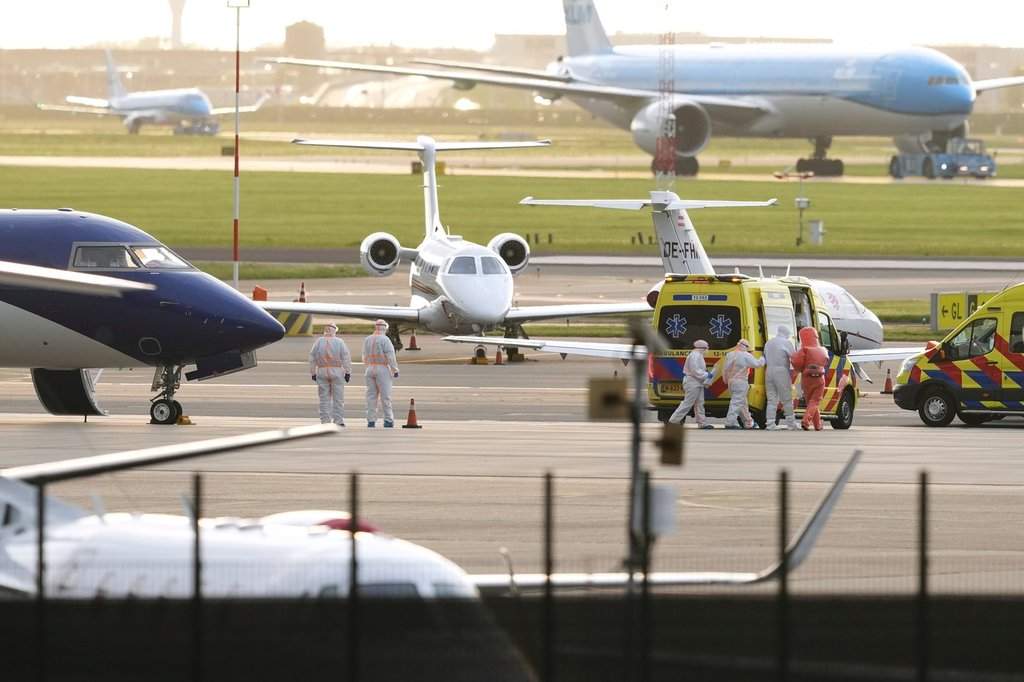
The three people currently in isolation are a reminder of that negotiation. They represent the "possible"—the statistical anomaly that becomes a personal reality. Health officials are monitoring them not just for their own safety, but to ensure that if the virus has jumped from the mouse to the man, the chain of transmission and the timeline of care are managed with surgical precision.
The stakes are invisible. You cannot see the virus in the air. You cannot smell it. You only know it was there when the breathing becomes hard.
Consider the ordinary act of opening a box in the attic. You reach in, a small cloud of dust rises, and you wave it away with your hand. You think nothing of it. But for those who have seen the inside of an ICU ward during a hantavirus outbreak, that small cloud is a ghost.
The three Canadians waiting for their results are currently living in the gap between "I'm fine" and "Everything has changed." They are resting, watching the clock, and hoping that the air they breathed was just air, and nothing more.
The next time you stand at the threshold of a dusty room, remember them. Put down the broom. Reach for the bleach. Respect the tiny, hidden things that share our spaces, because the most dangerous threats aren't the ones that growl in the dark; they are the ones that float, silent and unseen, in the afternoon sun.