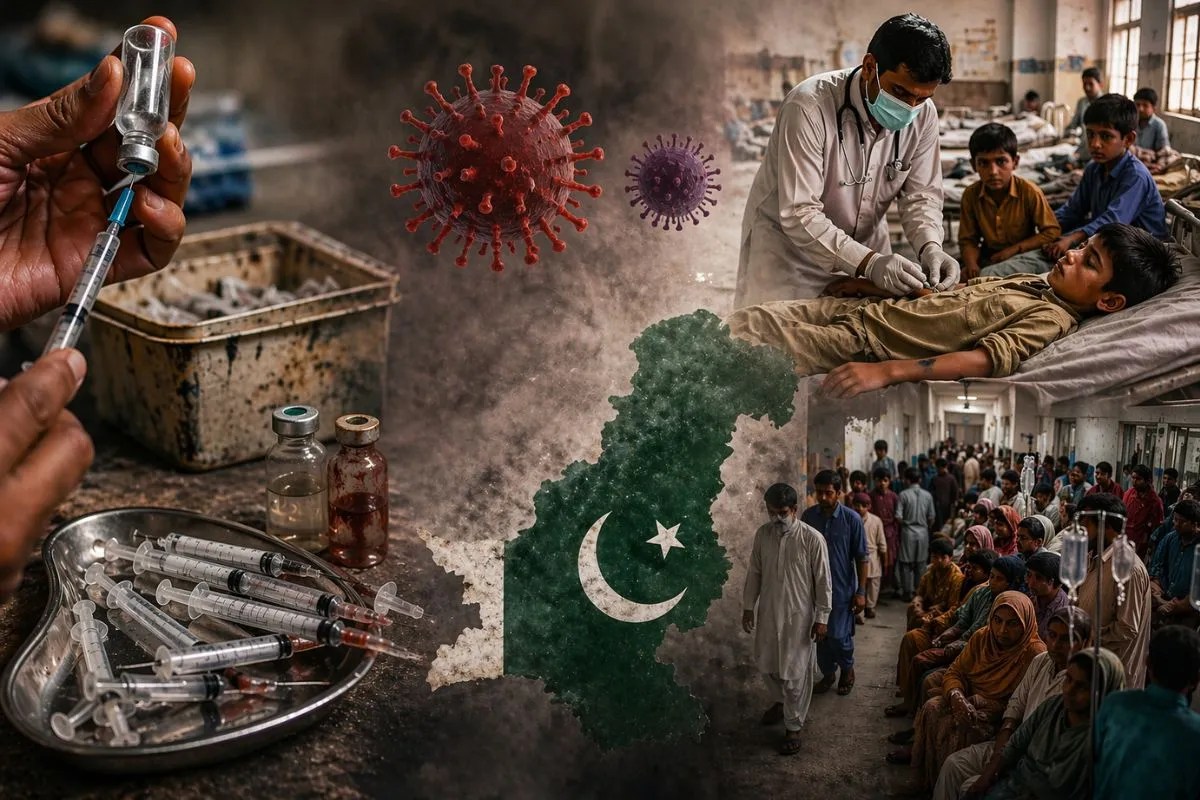
The air in a pediatric intensive care unit has a specific, metallic weight. It smells of industrial antiseptic and the ozone hum of monitors that never sleep. For a parent sitting in the plastic chair of a darkened room, the world shrinks to a single glowing line on a screen.
Beep. Beep. Beep.
When a child’s lungs struggle against the weight of a virus that humans supposedly conquered decades ago, the politics of the outside world feel like a distant, cruel joke. Measles is not a "childhood rite of passage." It is a biological wildfire. It starts with a cough and a red-eyed stare, but it can end with the brain swelling against the skull or the immune system being wiped clean of every memory it ever had of how to keep the body alive.
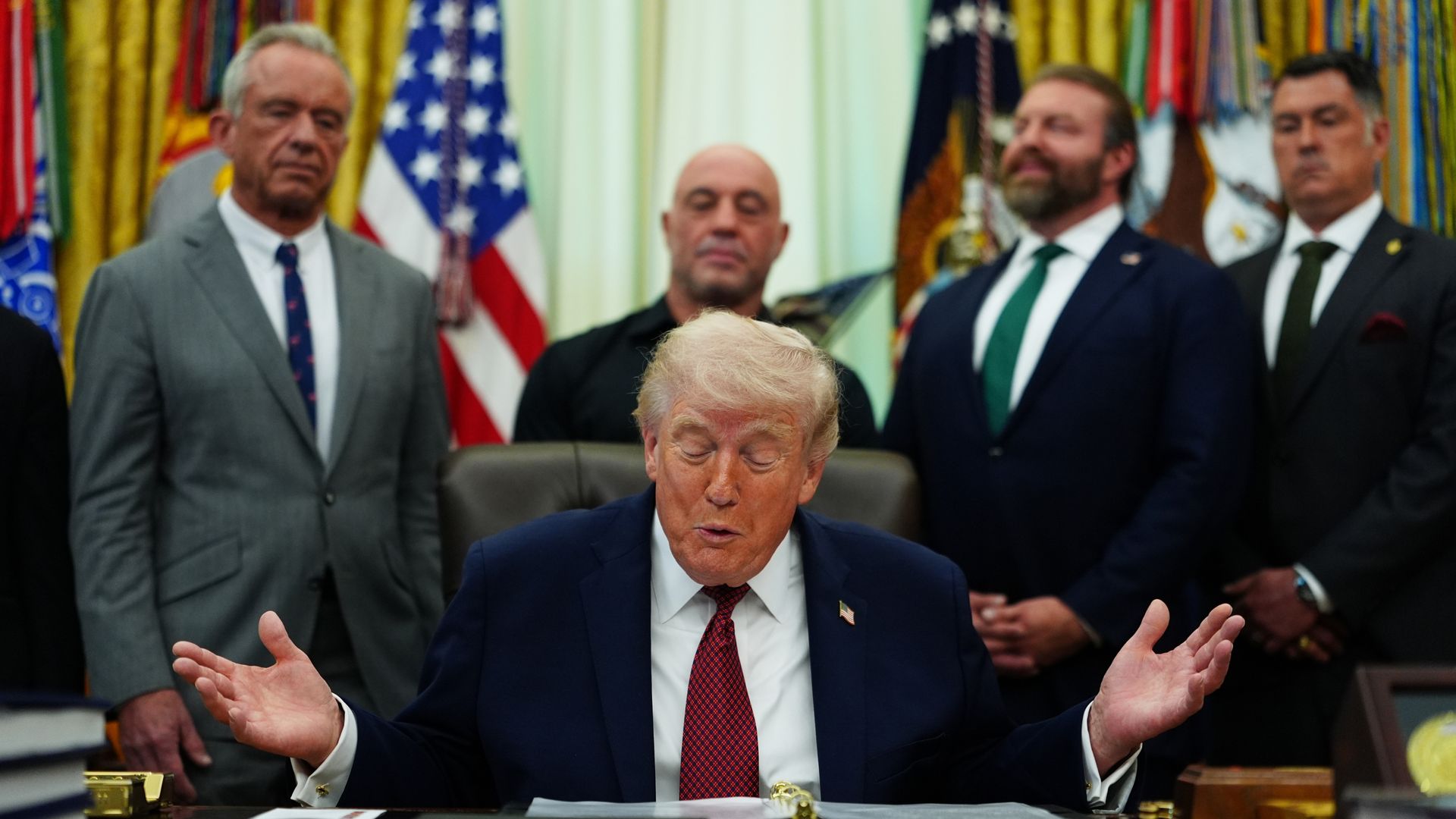
In the mahogany-lined halls of government, the conversation is different. It is about culpability. It is about a man named Robert F. Kennedy Jr. standing before a line of questioning lawmakers, refusing to accept the mantle of the villain in a story about rising fevers and empty desks.
The Ghost in the Machine
The conflict between public health officials and the Kennedy legacy isn't just about a needle. It is about the fundamental way we decide what is true. To the lawmakers across the table, the math is simple. Vaccination rates go down. Cases go up. People suffer. They see a direct line between the rhetoric of a famous man with a trusted last name and the resurgence of a disease that was declared eliminated in the United States in the year 2000.
Kennedy sees a different map. He views himself not as an arsonist, but as a whistleblower. He stands in the center of the storm, deflects the blame, and points his finger back at the institutions themselves. He argues that the loss of trust isn’t his fault; he says the institutions broke that trust long before he started talking.
This is the friction point where the human cost gets lost. While the debate rages over who gets to hold the microphone, the virus looks for a host. It doesn't care about the First Amendment. It doesn't care about "medical freedom." It only cares about the gap in the armor—the 5% or 10% of a community that has lost faith in the collective shield.
Consider a hypothetical town, the kind of place where people know their neighbors' dogs by name. Let’s call it Oakhaven. In Oakhaven, a few families start reading things online. They hear a charismatic voice—perhaps Kennedy’s, perhaps someone echoing him—suggesting that the risks are hidden and the benefits are exaggerated. They aren't "anti-science" in their own minds. They are protective. They want the best for their kids.
They stop vaccinating.
Then, a traveler returns from a trip abroad. They carry the virus. Measles is so infectious that if one person has it, nine out of ten people nearby who are not immune will catch it. It hangs in the air for two hours after the infected person has left the room. By the time the first rash appears in Oakhaven, the fire is already out of control.
The Weight of a Name
There is a unique gravity to the name Kennedy. It carries the echoes of Camelot, of service, and of a specific kind of American idealism. When that name is attached to a message that questions the very foundation of modern medicine, it carries more weight than a thousand anonymous blog posts.
Lawmakers argue that this weight is exactly why Kennedy bears responsibility. They see a man leveraging a legacy to sow doubt. When he tells a mother that she is being lied to by her pediatrician, he isn't just offering an opinion; he is dismantling a bridge.
Kennedy’s defense is a masterclass in shifting the frame. He refuses to be the "anti-vaxxer" caricature. Instead, he positions himself as a champion of safety and transparency. It is a subtle, effective pivot. By framing the argument as a quest for "better" science rather than a rejection of science, he creates a space where doubt can grow without the stigma of being "fringe."
But doubt has a body count.
In 2019, the South Pacific nation of Samoa faced a measles outbreak that killed 83 people, most of them children. Public health experts pointed to a plummeting vaccination rate, fueled in part by the very rhetoric Kennedy promotes. Kennedy had visited the islands shortly before the crisis, appearing alongside local activists. When confronted with this by lawmakers, he remains unmoved. He speaks of "correlation not being causation." He speaks of "other factors."
He speaks, and the fever climbs.
The Memory Thief
To understand why this matters, you have to understand what measles actually does. It isn't just a rash. Scientists call it "immune amnesia."
Imagine your immune system is a library. Every time you fight off a cold, a flu, or a bacterial infection, the library adds a book on how to defeat that specific enemy. You become stronger. You become wiser.
The measles virus enters the body and burns the library down.
It attacks the memory cells that remember how to fight everything else. A child who survives measles is often left vulnerable to every other disease they had already conquered. They are reset to zero. They are a blank slate in a world full of predators.
This is the invisible stake. When we talk about "personal choice," we aren't just talking about one person’s risk. We are talking about the integrity of the collective library. We are talking about the "herd," a word that sounds cold and clinical until you realize it means "the people we love who are too weak to fight for themselves." The newborn too young for the shot. The grandmother on chemotherapy. The neighbor with a transplant.
They rely on the wall. And the wall is made of us.
The Architecture of Distrust
The tragedy of the current moment is that both sides are operating in different realities.
The lawmakers see a public health crisis fueled by misinformation. They want accountability. They want a man with a platform to stop shaking the ladder while people are climbing it.
Kennedy sees a corrupt system that has silenced dissent. He views the pressure to vaccinate as a violation of the soul. He uses his time in the spotlight to paint himself as a martyr for the truth, a man willing to be blamed for the sake of a higher cause.
But while the titans clash, the ground level is where the damage is done. The mother in the waiting room, clutching a smartphone and feeling a rising sense of panic, isn't thinking about Kennedy or the CDC. She is thinking about her baby. She is looking for a reason to feel safe.
When the leaders of a society cannot agree on the basic shape of reality, the "safety" she seeks becomes an illusion. She is left to navigate a world where a virus from the 11th century is making a comeback because we have forgotten how to trust each other.
The debate in Washington was not just a political hearing. It was a symptom of a deeper rot. We have reached a point where the "right to be wrong" is being weighed against the "right to stay alive," and the scale is tipping in a terrifying direction.
Kennedy refuses to let them blame him. He stands firm. He speaks his "truth."
And in a hospital three states away, a doctor prepares to intubate a toddler. The child’s skin is hot. Their eyes are red. They are struggling to breathe because they are living in the world we built—a world where words have more power than medicine, and where the echoes of a famous name are louder than the sound of a failing lung.
The monitors continue their steady rhythm.
Beep. Beep. Beep.
The line on the screen doesn't care who is right. It only cares if the heart keeps beating.
Everything else is just noise.