The ultimatum from Pakistan’s trading community is clear: withdraw the early market closure mandates or prepare for a complete shutter-down strike across every major urban hub. On the surface, the conflict looks like a standard tug-of-war between a cash-strapped government and a defiant merchant class. But the reality is far more clinical and dangerous. This is not just a dispute over whether shops close at 8:00 PM; it is the final collision between a collapsing national power grid and the informal economy that keeps the country breathing.
By April 2026, the arithmetic of Pakistan’s energy sector has reached a breaking point. The national circular debt—the chronic shortfall in the power supply chain—has surged past Rs1.9 trillion. Every hour a shopping mall stays lit under inefficient bulbs adds to a debt cycle that the state can no longer subsidize. To the International Monetary Fund (IMF), early closures are a non-negotiable metric of fiscal discipline. To the trader in Lahore’s Liberty Market or Karachi’s Tariq Road, those same hours are the difference between solvency and bankruptcy.
The 8 PM Deadline and the Death of Retail Oxygen
The government’s National Energy Efficiency and Conservation (NEEC) policy aims to shave off roughly 10% to 15% of peak evening demand. In a country where the "peak" often triggers cascading blackouts, this reduction is the only thing preventing total grid failure. However, the retail sector operates on a cultural clock that the policy ignores. In Pakistan, the bulk of consumer spending happens between 7:00 PM and 10:00 PM.
By forcing doors shut at 8:00 PM, the state effectively amputates the most productive third of the business day. For small-scale retailers, the impact is immediate.
- Revenue Loss: Traders report a 30% drop in daily takings within the first week of enforcement.
- Inventory Stagnation: Perishable goods and seasonal fashion cycles are disrupted, leading to a pile-up of unsold stock.
- Employment Cuts: When hours are slashed, the "daily wagers"—security guards, cleaners, and sales assistants—are the first to be let go.
Why the Grid is Starving
The reason the government is so desperate to turn off the lights lies in the fuel mix. Pakistan remains heavily dependent on imported Liquefied Natural Gas (LNG) and furnace oil. When the Strait of Hormuz saw a spike in geopolitical tension earlier this year, the price of these imports became unsustainable.
The state is essentially choosing between keeping the lights on in hospitals or keeping the neon signs buzzing in clothing outlets. But the traders argue that they are being used as a scapegoat for decades of systemic mismanagement. They point to the 543 billion PKR in liabilities linked to CPEC power projects and the staggering 17% to 20% "line losses"—a polite term for electricity theft and technical leakage—that the government has failed to curb.
"We are being asked to pay for the inefficiencies of the bureaucrats," says Ajmal Baloch, President of All Pakistan Anjuman-i-Tajran. "They want us to close early while government offices and elite residences enjoy free, unmetered electricity."
The Underground Resistance
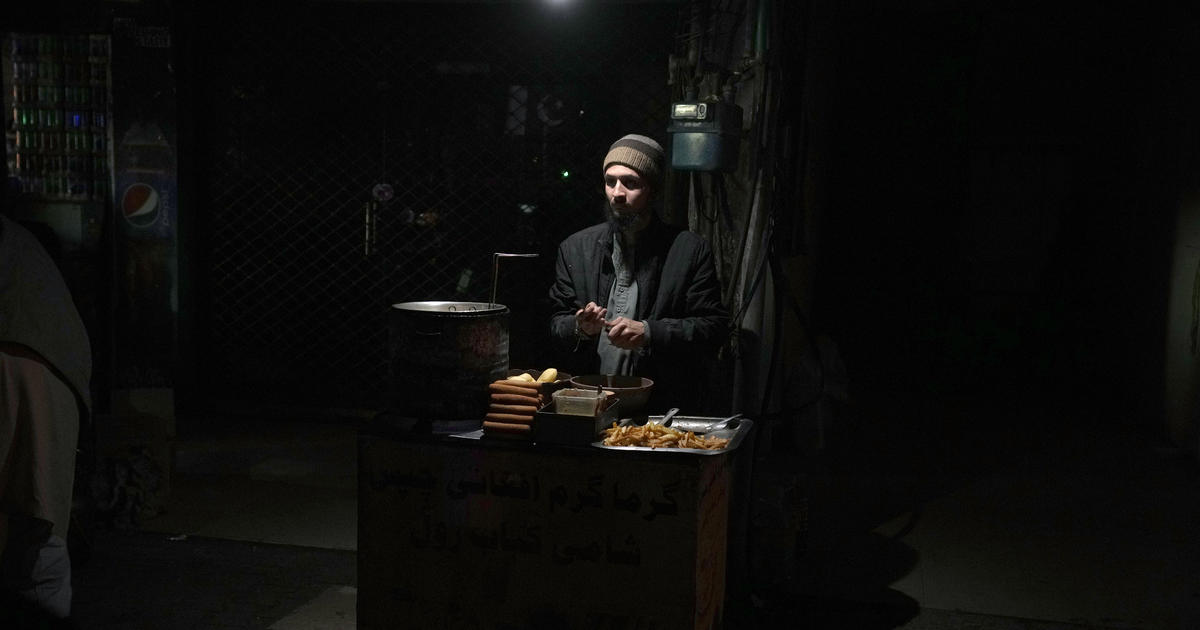
The "early closure" policy has inadvertently birthed a shadow economy. In many parts of Rawalpindi and Peshawar, shops appear closed from the street, with shutters pulled down to knee-height, while business continues in the back. This "shutter-down, business-on" culture creates a environment ripe for bribery.
Local police and "market committees" have allegedly started collecting "lighting fees"—informal payments to look the other way while a shop stays open an extra ninety minutes. This does nothing to save electricity, but it does increase the cost of doing business for the honest trader who refuses to play the game.
A Circular Debt Death Loop
The fundamental flaw in the government’s logic is the assumption that energy saved equals money saved. While the grid saves on fuel costs in the short term, the resulting economic slowdown shrinks the tax base.
Retail and wholesale trade account for nearly 18% of Pakistan’s GDP. When you stifle this sector, you lower the GST (General Sales Tax) collection. With less tax revenue, the government struggles even more to pay off the circular debt, leading to more power shortages, which then leads to more demands for market closures.
| Metric | Pre-Policy (Estimated) | Post-Policy (Projected) |
|---|---|---|
| Average Daily Footfall | 100% | 65% |
| Energy Consumption (Retail) | 4,200 MW | 3,600 MW |
| GST Contribution (Monthly) | Rs 120B | Rs 92B |
| Small Business Default Risk | 8% | 22% |
The Solar Escape Hatch
The only group finding a way out of this crisis are the high-end retailers and mall owners who have shifted to massive solar arrays. By decoupling from the national grid, they can stay open as long as their battery banks allow.
However, for the millions of tiny shops in the "old cities," the capital required for a 10kW solar system—currently priced at nearly Rs1.5 million due to import duties—is a fantasy. This is creating a two-tier business environment: the energy-independent elite and the grid-dependent struggling majority.
The traders have given the government a 72-hour window to reconsider. If the policy remains, the promised protests will likely paralyze the transport of goods, adding a supply-chain crisis to an already volatile energy emergency. The state is no longer just fighting for megawatts; it is fighting to maintain the cooperation of the people who fund its treasury.
The solution isn't found in a simple 8:00 PM curfew. It requires an aggressive crackdown on elite power subsidies and a radical, state-funded transition to energy-efficient appliances within the markets. Until then, every night the shutters go down early, the light at the end of the economic tunnel grows a little dimmer.