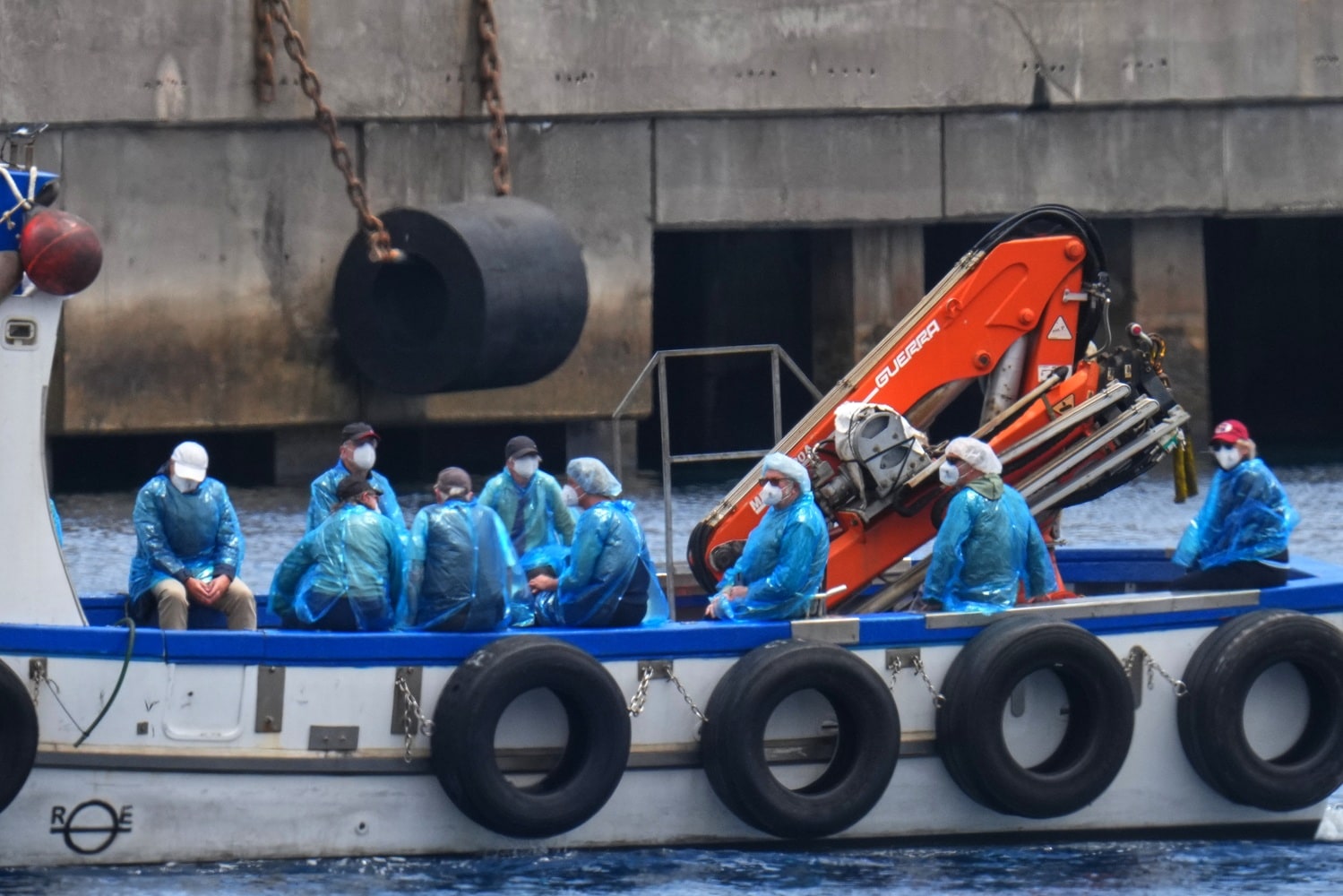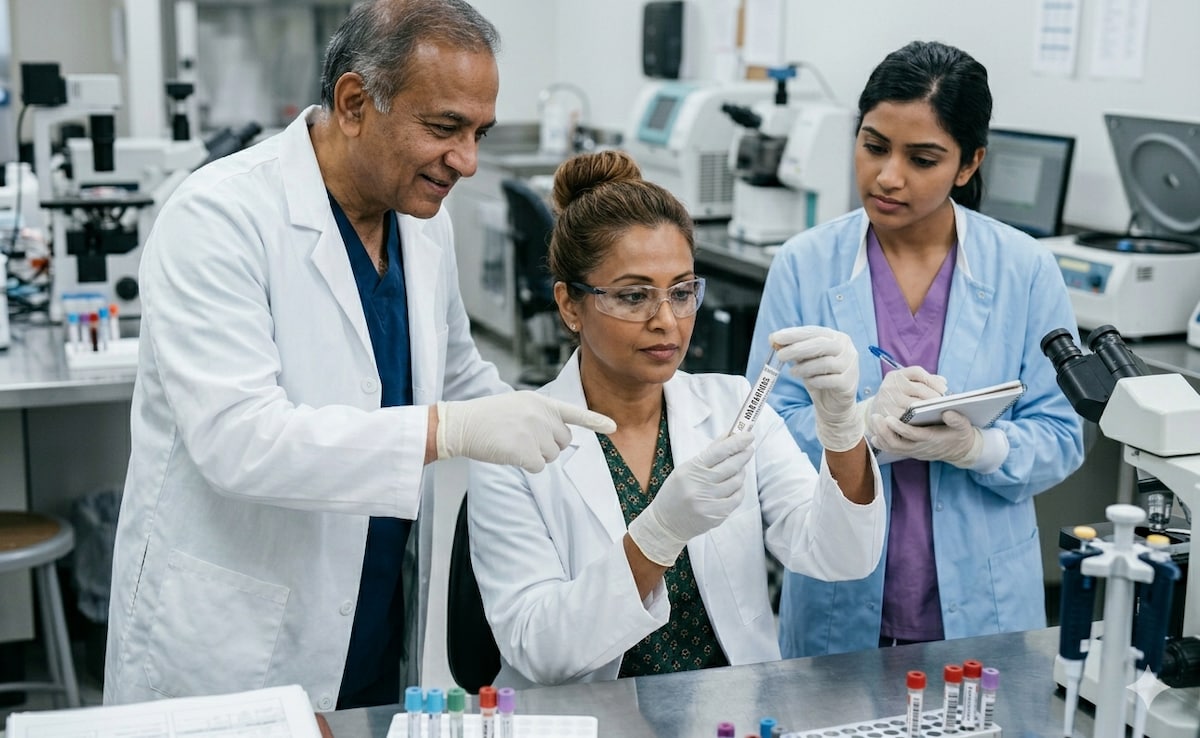
India isn't waiting for the next pandemic to knock on the door. By activating a massive 165-lab network known as the Viral Shield, the country is officially putting Hantavirus on notice. You might've heard of this virus in passing—usually associated with rural areas or rodent droppings—but the scale of this new surveillance suggests the health ministry is taking zero chances. This isn't just about counting cases. It's about a fundamental shift in how one of the world's most populous nations tracks invisible threats before they spiral.
Hantaviruses are tricky. They don't spread like the flu. You won't catch it from someone coughing on the subway. Instead, it’s a zoonotic battle. People get sick when they breathe in air contaminated with the urine, droppings, or saliva of infected rodents. In a country where urban expansion constantly pushes into previously wild spaces, the friction between humans and rats is real. The Viral Shield is designed to bridge the gap between rural clinics and high-tech diagnostic centers, ensuring that a "weird fever" in a remote village is identified as Hantavirus within hours, not weeks. For another perspective, read: this related article.
The Viral Shield Is More Than Just Labs
Don't think of this as just a list of buildings with microscopes. The Viral Shield is a high-speed data highway. India's Department of Health Research and the Indian Council of Medical Research (ICMR) have basically synced up 165 different laboratories to act as a single, massive early-warning system.
The logic here is simple. Speed saves lives. Hantavirus Pulmonary Syndrome (HPS) has a mortality rate that can hit 38%. That is terrifying. When your lungs start filling with fluid, you don't have time for a blood sample to be shipped across three states for testing. This network decentralizes the expertise. It puts the diagnostic power closer to the patient. Related coverage on this trend has been shared by Everyday Health.
Most of these labs are part of the existing Viral Research and Diagnostic Laboratories (VRDL) network. They've already been battle-tested. During the recent outbreaks of other pathogens, these centers proved they could handle high-volume testing under pressure. By adding Hantavirus to their permanent watch list, the government is acknowledging that respiratory and hemorrhagic threats are the new normal.
Why Hantavirus Surveillance Matters Right Now
You might wonder why Hantavirus? It hasn't caused a massive national shutdown. It isn't "trending" in the way some other viruses do. But that's exactly why this surveillance matters. It's proactive rather than reactive.
India has diverse ecosystems. From the humid forests of Kerala to the crowded urban centers of Mumbai and the agricultural heartlands of the north, each region supports different rodent populations. The "Old World" hantaviruses found in Asia typically cause Hemorrhagic Fever with Renal Syndrome (HFRS). It's nasty stuff. It hits the kidneys hard. It causes intense pain and internal bleeding.
By tracking these strains across 165 labs, scientists can map out "hot zones." If they see a spike in rodent infections in a specific district, they can warn local hospitals before the first human patient even walks through the door. It turns the medical community from a cleanup crew into a defense force.
The Rodent Connection
We can't talk about Hantavirus without talking about rats and mice. Specifically, species like the striped field mouse or the Norway rat. These animals are the "reservoirs." They carry the virus without getting sick themselves.
As cities grow, we're building houses where these rodents live. Construction kicks up dust. That dust can contain dried droppings. If you're a construction worker or someone cleaning out an old shed, you're at risk. The Viral Shield helps the government understand which rodent species are carrying which strains. This isn't just medical work; it's ecological detective work.
How the Network Actually Functions
The 165 labs aren't all equal, and that's by design. There's a hierarchy that makes the system work.
- Regional Hubs: These are the heavy hitters. They have the highest biosafety levels and can do complex genetic sequencing. They look at the DNA of the virus to see if it’s mutating.
- State-Level Labs: These handle the bulk of the diagnostic testing. They’re the workhorses that confirm cases quickly.
- Medical College Labs: These are the frontline. They’re attached to hospitals where patients actually show up.
When a patient presents with symptoms that look like Hantavirus—high fever, muscle aches, fatigue, and eventually shortness of breath—the frontline lab runs a quick test. If it’s positive, the sample moves up the chain. This allows the ICMR to see the big picture in real-time. It’s a literal shield made of data and glass slides.
The Clinical Reality of Hantavirus in India
Doctors often mistake Hantavirus for other things. In India, it's easy to confuse it with Leptospirosis, Dengue, or even Scrub Typhus. All of these can cause fever and organ stress.
Without the Viral Shield, a doctor might treat a patient for Dengue while their kidneys are actually failing due to Hantavirus. The treatment protocols are different. Supportive care is the name of the game for Hantavirus because we don't have a specific "cure-all" antiviral for it yet.
Fast diagnosis means the patient gets the right kind of supportive care—oxygen therapy, fluid management, or dialysis—much sooner. It's the difference between a recovery and a tragedy. The 165-lab network ensures that the "diagnostic shadow" where these viruses hide is getting smaller every day.
Mapping the Spread
One of the coolest—and most vital—parts of this initiative is the geographical mapping. By using the Viral Shield data, India can create a literal heat map of virus activity.
For years, we've had sporadic reports of Hantavirus in places like Tamil Nadu and Maharashtra. But were those isolated incidents? Or was the virus always there, just undetected? The new surveillance system is finally answering those questions. It turns out, the virus is more widespread than we thought, but our ability to see it has simply been poor. Now, the lights are being turned on.
What You Need to Do
While the government builds its "Viral Shield," you have a role to play too. You don't need a lab to protect your home.
First, get serious about rodent control. If you have mice or rats in your home or workspace, don't just "live with it." Use traps. Seal up holes larger than a pencil lead.
Second, be smart about cleaning. If you're cleaning an area that has been vacant or shows signs of rodents, don't just sweep or vacuum. That kicks the virus into the air. Instead, wet the area down with a mixture of bleach and water. This kills the virus on contact and keeps the dust on the ground. Wear a mask. It’s a small step that completely changes your risk profile.
Third, know the symptoms. If you've been around rodents and start feeling like you have a severe flu—especially if you're struggling to breathe—tell your doctor specifically about the rodent exposure. Don't wait for them to guess.
India’s 165-lab Viral Shield is a massive achievement in public health infrastructure. It shows a country that’s learning from the past and preparing for a future where zoonotic diseases are a constant threat. By combining high-tech surveillance with boots-on-the-ground medical care, the goal is to make Hantavirus a manageable risk rather than a hidden killer. Keep your living spaces clean, stay informed about local health alerts, and support the expansion of these diagnostic networks. This is how we stay ahead of the next big threat.