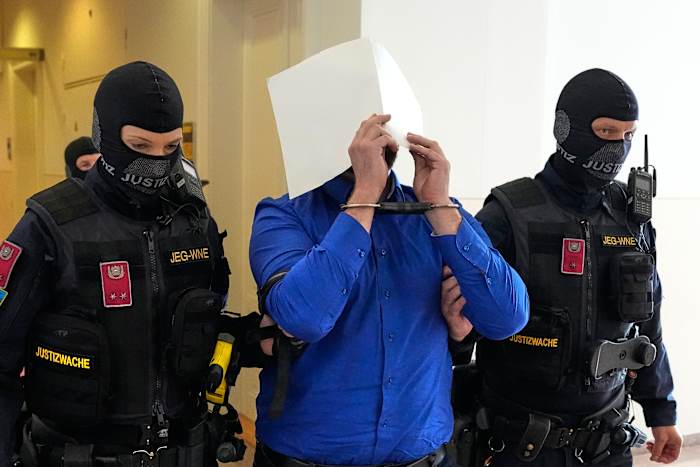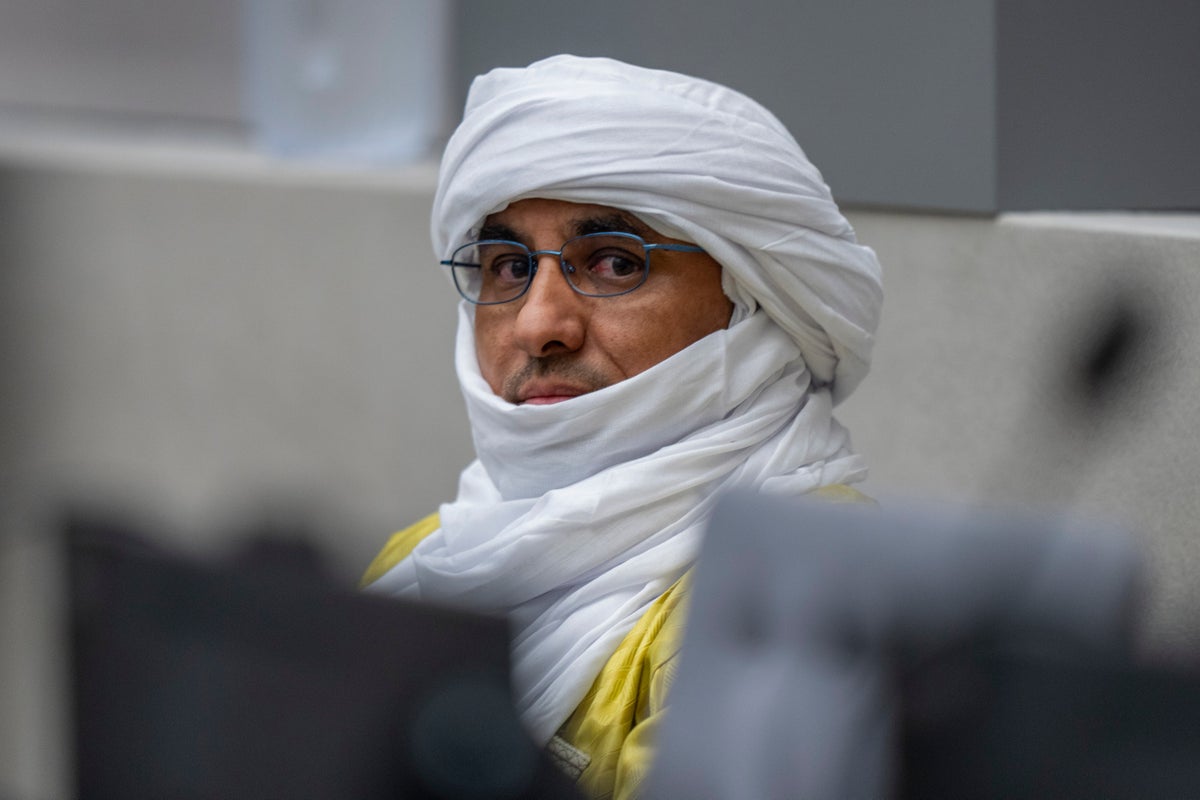
Justice usually takes a long time. In the case of Timbuktu, it took over a decade, but the International Criminal Court (ICC) just dropped a hammer that actually carries some weight. On Tuesday, judges ordered Al Hassan Ag Abdoul Aziz—the man who ran the Islamic police during a brutal 2012 occupation—to pay $8.4 million in reparations.
If you're wondering how a guy who was declared indigent is going to cough up eight million bucks, he won't. The ICC knows he's broke. The real story here isn't Al Hassan's bank account; it's the 65,000 victims who finally have a roadmap for some form of recovery. This money isn't just a symbolic pat on the back. It’s for psychological support, schooling, and economic aid for a city that was turned into a living prison. If you liked this piece, you might want to look at: this related article.
The Man Behind the Terror
Al Hassan wasn't just a foot soldier. He was the guy who made sure the nightmare stayed organized. As the head of the Islamic police in Timbuktu, he served under the Ansar Dine extremist group. He didn't just watch the floggings; he oversaw the whole system.
In 2024, the court convicted him of torture and religious persecution. They found he was the linchpin in a "reign of terror." Imagine living in a world-famous city of culture where suddenly you can't listen to music, you can't go outside without specific clothes, and you're terrified of being snatched off the street by a "morality brigade." That was Timbuktu under Al Hassan. For another perspective on this development, refer to the recent update from NPR.
He got ten years in prison. Since he’s been in custody since 2018, he might actually walk free sooner than you'd think. That makes this $8.4 million order even more vital. If the prison time feels light to some, the financial liability is a permanent mark of his guilt.
Who Actually Gets Paid
The court identified over 65,000 victims. That’s a staggering number. Most of the help is going toward collective measures rather than individual checks in the mail. We're talking about:
- Psychological counseling for survivors of torture.
- Job training and economic programs to jumpstart a stalled economy.
- Educational initiatives for children who missed years of proper schooling.
Women and girls are the priority here. They bore the brunt of Al Hassan's rules. They were locked in their homes, forced into marriages, and lived in constant fear of the Islamic police. The court explicitly mentioned that these programs must focus on the unique harm done to them.
Where Does the Money Come From
Since Al Hassan can’t pay, the Trust Fund for Victims (TFV) has to step up. This is where the logistics get tricky. The TFV relies on donations from ICC member states. Sweden, the Netherlands, and Germany are usually the big donors, but $8.4 million is a lot of cash to find in a couch cushion.
Presiding Judge Kimberly Prost didn't mince words. She admitted that "substantial fundraising" is now the next big hurdle. The court can say a victim deserves $10,000, but if the fund is empty, that's just a piece of paper. The international community has to put its money where its mouth is if they want this "justice" to mean something on the ground.
Why This Isn't Just Another Court Case
This case is a big deal for two reasons. First, it’s one of the first times the ICC has successfully prosecuted someone for religious persecution as a crime against humanity. It sets a precedent. If you use "morality" as a weapon to destroy a community’s way of life, the ICC is watching.
Second, it follows the previous conviction of Ahmad Al Faqi Al Mahdi, who was locked up for smashing Timbuktu’s ancient mausoleums. While Al Mahdi was about the buildings, Al Hassan was about the people. Together, these cases represent a full-court press by the ICC to prove that what happened in Mali wasn't just "war"—it was a systematic attempt to erase a culture.
What Happens Now
Don't expect the money to reach Timbuktu tomorrow. The process is slow. The Trust Fund for Victims now has to draft a plan, get it approved by the judges, and start the actual work in Mali.
If you're following this, keep an eye on the donor lists for the ICC. The success of this payout depends entirely on whether countries like France, Canada, or Japan decide to cut the check. Without that, the victims are left with a moral victory and an empty pocket.
The next step for the ICC is to turn this legal order into actual therapy sessions and schoolbooks. It's a massive test for the "Rome Statute" system. If they pull it off, it's a blueprint for future cases in places like Ukraine or Sudan. If they don't, it's just more rhetoric from The Hague.
Check the official ICC Trust Fund for Victims website if you want to see how they track these projects. It’s the only way to know if the $8.4 million actually changes lives in Timbuktu.