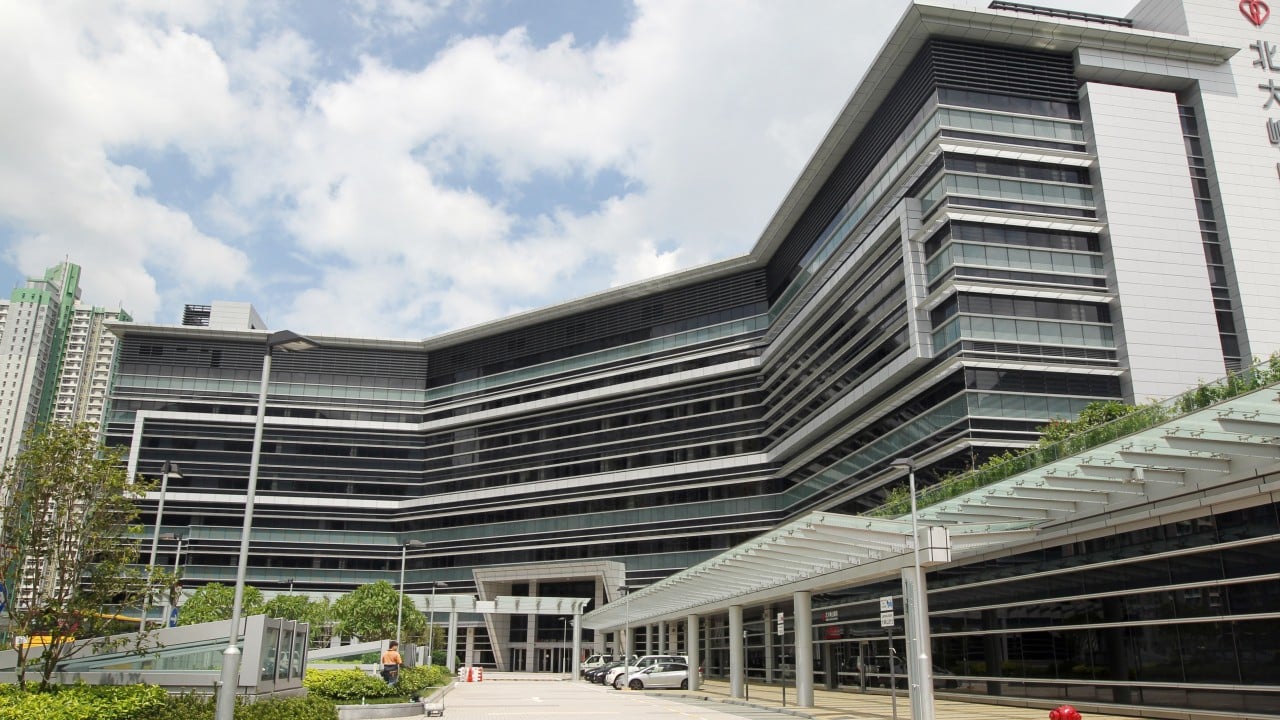
The arrest of a 35-year-old domestic helper for allegedly pulling a baby’s hair in a Tin Shui Wai flat is not an isolated case of "bad apples." It is the predictable outcome of a structural failure that Hong Kong society refuses to admit.
When the news cycle hits these stories, the response is always the same. Outrage on parenting forums. Demands for more surveillance. Calls for stricter blacklisting. But focusing on the individual act of cruelty is the lazy way out. It allows the city to ignore the reality that the live-in domestic helper system is a Victorian-era relic being forced to operate in a high-pressure, 21-century pressure cooker. If you enjoyed this article, you might want to check out: this related article.
We aren't looking at a crime wave. We are looking at a system-wide burnout that no one wants to fix because the cheap labor is too addictive.
The Myth of the Surveillance Solution
The immediate reaction to any report of child abuse in the home is to install more cameras. Hong Kong is already one of the most surveilled residential environments on earth. Most helpers are tracked from the moment they wake up until they hit the mattress—which is often in a converted pantry or a bunk bed above a washing machine. For another look on this event, check out the recent update from The Guardian.
If surveillance worked, these incidents would have stopped a decade ago.
The "Lazy Consensus" suggests that if we just watch people harder, they will behave better. Logic suggests the opposite. Constant, 24/7 monitoring in a workplace where you also eat and sleep creates a psychological state of permanent high-cortisol stress.
I have seen families spend thousands on the latest 4K "nanny cams" while ignoring the fact that their helper has not had a full night’s sleep in three weeks because she is expected to attend to a newborn and then clean a four-bedroom apartment by 7:00 AM. You cannot monitor your way out of a resentment-based economy.
The Live-In Rule is a Security Risk
The Hong Kong government insists on the live-in requirement. They claim it is about "protecting local labor," but it is actually about control. By forcing helpers to live with their employers, the city creates a power dynamic that is ripe for explosion.
Think about the mechanics of a modern Hong Kong flat. Space is at a premium. Privacy is non-existent. When you trap two different cultures, two different socioeconomic classes, and a set of screaming children into 500 square feet for 24 hours a day, you aren't building a "family-like bond." You are building a powder keg.
The "Controversial Truth" is that the live-in rule makes children less safe.
In Singapore or parts of the Middle East, "stay-out" options—while still rare—allow for a psychological reset. In Hong Kong, there is no reset. The "workplace" never closes. When a helper reaches a breaking point, there is no commute to cool off. There is no private space to decompress. There is only the immediate environment, the mounting frustration, and the most vulnerable person in the room: the child.
Stop Calling Them Family
The most dangerous phrase in the Hong Kong domestic labor market is "She's like one of the family."
It’s a lie. It’s a convenient fiction used to justify blurred boundaries and unpaid overtime. If she were family, you wouldn't be checking the CCTV to see if she sat down for ten minutes. If she were family, she would have a bedroom with a window.
By framing the relationship as "familial," employers dodge their responsibilities as managers. Professionalism is the first casualty of this mindset. When you treat a domestic worker as a professional contractor with clear KPIs, defined hours, and physical boundaries, the quality of care stabilizes. When you treat them as a "helper" who should be "grateful" to be there, you invite the kind of passive-aggressive (or outright aggressive) behavior that leads to arrests.
The Math of Burnout
Let’s look at the numbers the tabloids ignore.
- Average Workday: 13-16 hours.
- Statutory Minimum Wage: HK$4,990 per month.
- Hourly Rate: Roughly HK$12-15.
You are paying someone less than the price of a Starbucks latte per hour to raise your most precious asset. Then, the city acts shocked when that person—deprived of sleep, privacy, and fair compensation—snaps.
I’ve consulted for high-net-worth families who wonder why they can’t "keep good help." The answer is always the same: they are trying to buy a person’s soul for the price of a utility bill. You are not hiring a caregiver; you are subsidizing your lifestyle through the exploitation of someone else’s desperation.
The Blacklist Fallacy
People often ask: "Why can't we just have a centralized database to ban these women?"
We already have one. It’s called the Immigration Department. But a blacklist is a reactive tool. It does nothing to prevent the next 35-year-old woman from reaching her limit in a Tin Shui Wai high-rise.
The premise of the question is flawed. It assumes the problem is "dangerous individuals" infiltrating our homes. The reality is that the environment creates the danger. You could swap the "bad" helper for a "good" one, but if the conditions remain—no sleep, constant surveillance, and zero privacy—the result will eventually be the same.
How to Actually Protect Your Children
If you want to avoid the horror stories, stop following the standard Hong Kong playbook. It is broken.
- Enforce Physical Boundaries: If your flat is too small to give a helper a real room, you shouldn't have a live-in helper. Period. Living in a closet is a direct path to psychological instability.
- Mandatory "Dark" Hours: Establish a time when the helper is "off." No "can you just get a glass of water." No "the baby is crying, go check." If they are on call, they are working. If they are working 24/7, they will eventually fail.
- Kill the "Family" Narrative: Treat her like a high-stakes employee. Give her a contract that respects labor laws, not just the minimum requirements. Pay above the minimum. Respect is not a feeling; it is a financial and temporal commitment.
- Professional Mental Health Access: Most helpers have zero outlets for the trauma of being separated from their own children. If you want her to care for yours, you need to ensure she is mentally equipped to do so.
The Downside of This Truth
Adopting a professional, high-boundary model is more expensive. It requires parents to actually parent during "off" hours. It means you can't have a sparkling clean floor and a sleeping baby at the same time for the price of a monthly gym membership.
Most people won't do it. They will keep the live-in rule. They will keep the cameras. They will keep the HK$4,990 wage. And they will continue to act surprised when the next 35-year-old is led away in handcuffs for doing something "inexplicable."
It isn't inexplicable. It’s the cost of doing business in a city that prizes cheap convenience over human dignity. If you are more worried about your helper’s "attitude" than her 16-hour workday, you are the architect of your own domestic nightmare.
The arrest in Tin Shui Wai wasn't a failure of policing. It was a mirror held up to every employer in the city. Most people just don't like what they see in the reflection.