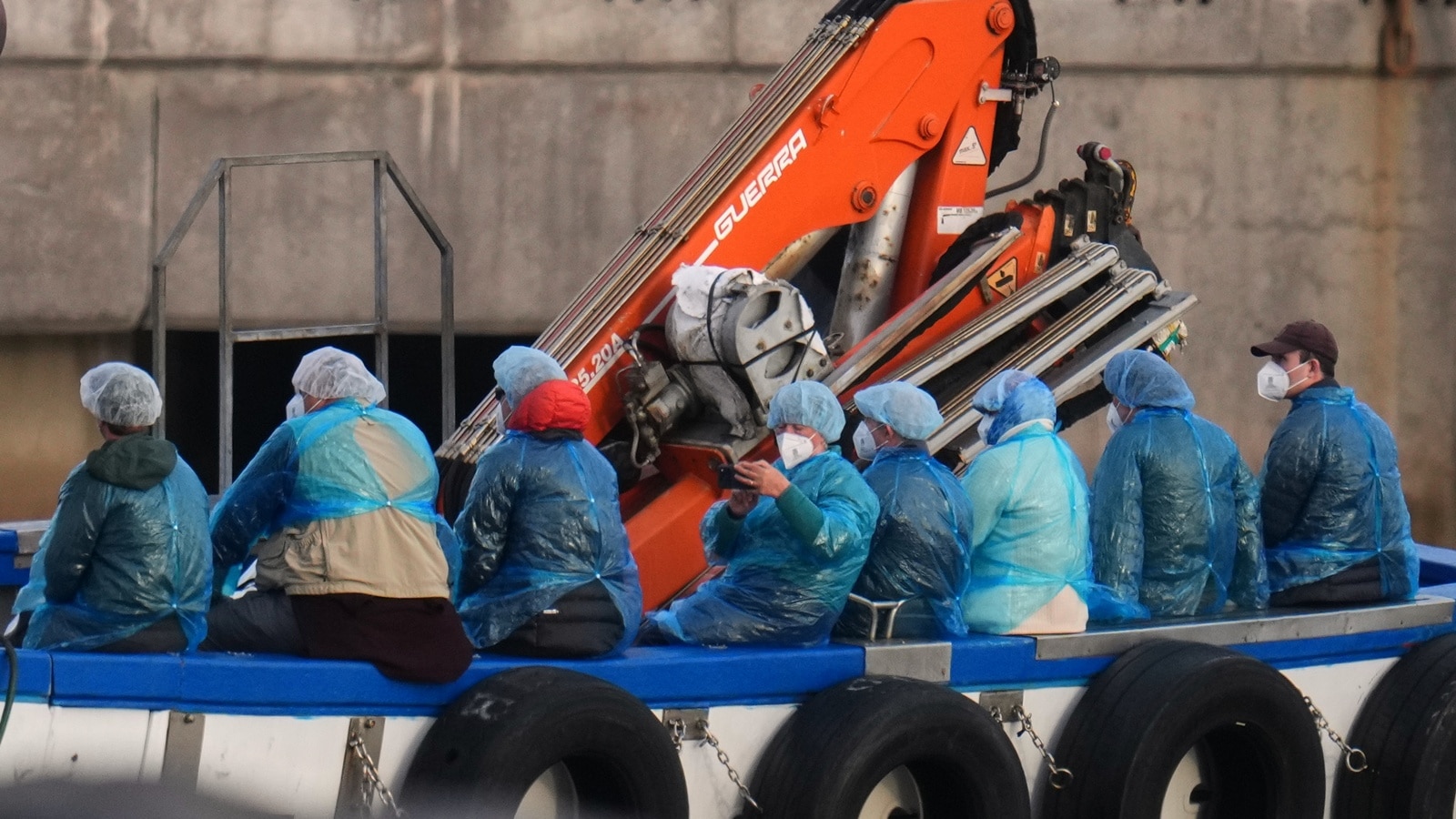
Two passengers evacuated from a cruise ship just tested positive for hantavirus. If that sentence doesn't make you rethink your next vacation's hygiene protocols, it should. While the world spent years obsessed with respiratory viruses in crowded cabins, this specific case highlights a threat that doesn't usually make the "know before you go" brochures. Hantavirus isn't something you catch from a sneezing deckhand. You get it from rodents. This brings up a massive, uncomfortable question. How does a virus typically associated with rural cabins and dusty barns end up affecting people on a multi-million dollar vessel?
The answer isn't as simple as a dirty kitchen. It involves the complex logistics of maritime travel, the wild environments these ships visit, and the sometimes overlooked reality of pest control at sea. This isn't just about two unlucky travelers. It's about a gap in how we perceive risk when we leave the mainland.
Understanding the Hantavirus Threat Beyond the Headlines
Hantavirus Pulmonary Syndrome (HPS) is a severe, sometimes fatal, respiratory disease. It’s carried by rodents—specifically deer mice, cotton rats, and rice rats in the Americas. Humans usually pick it up by breathing in air contaminated with the virus through rodent urine, droppings, or saliva. It's a "dust-borne" danger.
http://googleusercontent.com/image_content/204
When those two evacuees tested positive, the immediate reaction was panic. People think of cruise ships as sterile bubbles. They aren't. They're massive floating cities that dock in various ports, take on tons of cargo, and navigate through diverse ecosystems. If a ship docks in a region where hantavirus is endemic among local rodent populations, the risk profile changes instantly.
Why the Cruise Ship Environment Complicates Recovery
A cruise ship is a pressurized environment. You have recirculated air, tight quarters, and high-density living. While hantavirus doesn't spread person-to-person like the flu or COVID-19, the source of the infection is the real worry. If rodents have established a presence in the ductwork or storage areas, the "exposure event" isn't a one-time thing. It’s a persistent hazard.
The CDC and international health bodies like the World Health Organization (WHO) have strict guidelines for Vessel Sanitation Programs. But even the best systems have blind spots. Most ship inspections focus on Norovirus—the infamous "stomach bug" of the seas. They look at food temps and pool chlorine. They aren't always hunting for the microscopic dust of dried mouse droppings in a luggage hold or a secondary supply closet.
Symptoms That Mimic Everything Else
Part of the danger here is that hantavirus starts off looking like a dozen other things. You get a fever. Your muscles ache, particularly in the large muscle groups like the thighs, hips, and back. You might feel tired or have a headache. On a cruise, you’d probably blame it on "sea legs," a mild cold, or maybe just a long day of excursions in the sun.
But then things take a turn. About four to ten days after that initial phase, the late symptoms kick in. Your lungs start filling with fluid. You can't breathe. It feels like a tight band around your chest or a pillow over your face. At this point, you're in a medical emergency. For the two evacuees in question, the timing of their evacuation likely saved their lives. Trying to treat HPS in a ship’s infirmary is like trying to fix a jet engine with a Swiss Army knife. You need an ICU. You need ventilators.
The Logistics of a Maritime Outbreak
When a positive case is identified, the response is a logistical nightmare. It’s not just about treating the patients. The ship becomes a crime scene, and the "perpetrator" is a pest that’s an expert at hiding.
- Traceability: Health officials have to figure out exactly where those passengers were. Did they go on a specific shore excursion? Did they spend time in a particular lounge?
- Vector Control: The ship’s pest management team has to go into overdrive. They aren't just looking for live mice. They’re looking for nesting sites in areas passengers never see—the "behind the scenes" guts of the ship.
- Air Filtration: Most modern ships use HEPA filters, but these need to be checked and replaced if there's a risk of aerosolized viral particles.
What Travelers Are Getting Wrong About Risk
Most people think "it won't happen to me" because they aren't camping in the woods. That’s a dangerous assumption. These specific evacuees weren't hiking through the wilderness when they got sick. They were on a luxury trip.
Risk isn't about your tax bracket. It’s about the intersection of human activity and animal habitats. If your cruise stops in South America, the American Southwest, or certain parts of Canada, you're in hantavirus territory. If the ship’s supply chain involves warehouses in these areas, the risk hitches a ride.
Honestly, we’ve become too relaxed. We trust the "system" to keep us safe, but the system is run by humans who can miss a single rodent nest in a corner of a massive cargo hold.
Protecting Yourself Without Ruining Your Trip
You don't need to cancel your cruise. You just need to be smarter than the average tourist. If you're going on excursions that involve old buildings, caves, or rural areas, keep your distance from any signs of rodents. Don't touch things. Don't sit on floors that look like they haven't been cleaned in years.
Inside your cabin, if you see anything that looks like "black rice" (droppings), don't just sweep it away. Sweeping or vacuuming actually kicks the virus into the air, which is exactly how you breathe it in. Call ship security or housekeeping immediately. Demand a room change. Don't take "we'll just clean it" for an answer. You need the area disinfected with bleach or a high-grade virucide while the dust is kept damp to prevent it from becoming airborne.
Demand Transparency From the Cruise Line
The cruise industry is notoriously tight-lipped about health issues until they're forced to speak. Check the CDC’s Vessel Sanitation Program (VSP) scores before you book. If a ship has a low score or a history of pest issues, stay away. It’s your money and your health.
If you start feeling flu-like symptoms after a trip, tell your doctor specifically that you were on a cruise and mention the ports of call. Don't let them brush it off as a common cold. Mention hantavirus. Most doctors in urban areas won't even think of it unless you bring it up.
The reality of these two evacuees is a reminder that the world is smaller than we think. A virus from a field can end up in a suite. Be vigilant. Watch for the signs. Don't assume the crew has caught everything. Your safety is ultimately your own responsibility. Check your cabin. Wash your hands. Stay informed about the local wildlife of your destinations. Don't let a "once in a lifetime" trip end in a hospital bed because you ignored a dusty corner.