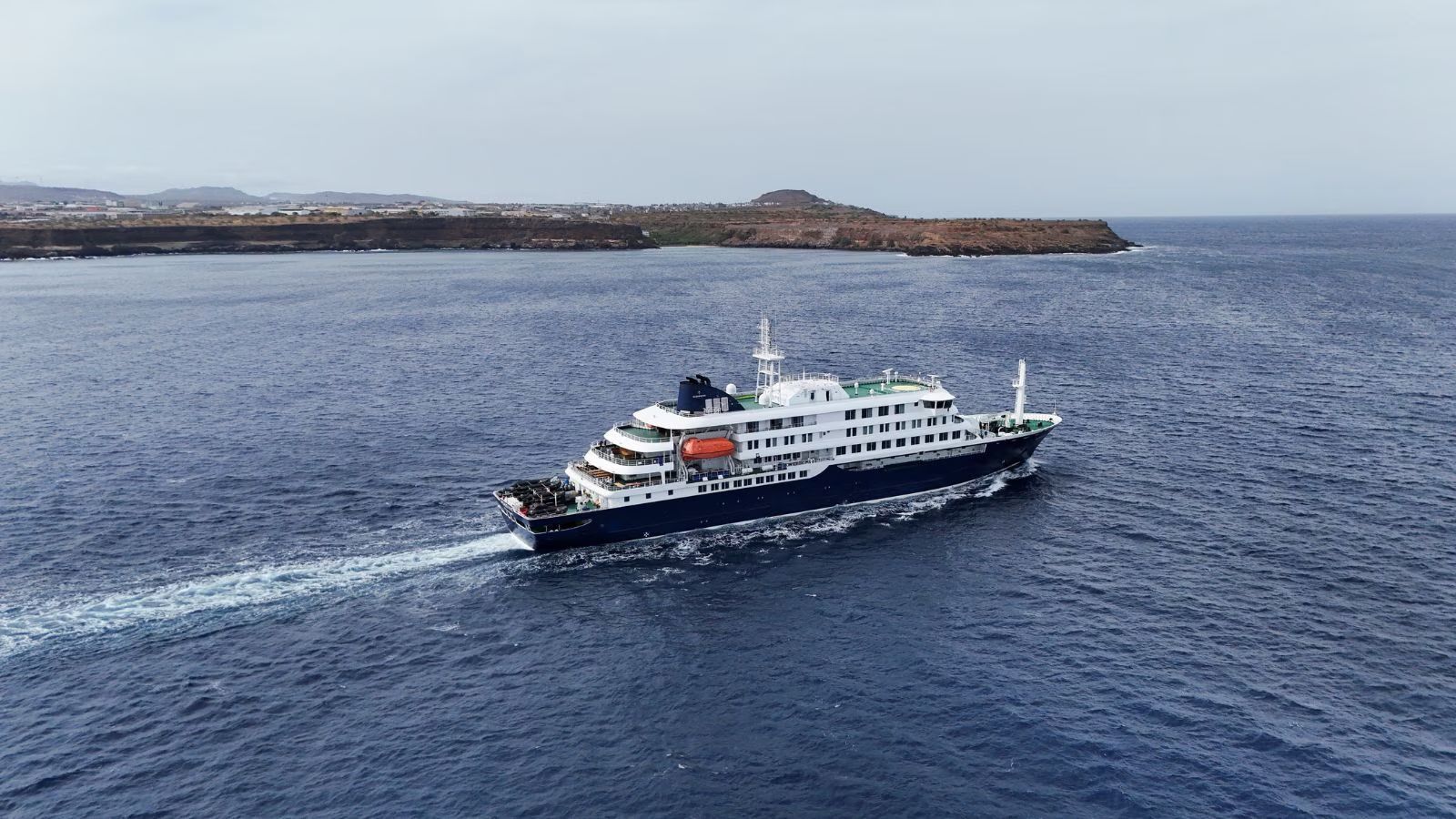
The headlines are bleeding with standard-issue dread. Spanish passengers whisked away from a "hantavirus-stricken" cruise ship. Charter flights to Madrid. Medical isolation protocols. The narrative is set: a floating petri dish narrowly avoided a global catastrophe thanks to the swift intervention of bureaucracy.
It is a comfortable lie. For another view, see: this related article.
The obsession with "outbreak" optics on cruise ships isn't about public health. It is theater. While the media salivates over the rarity of Hantavirus—a pathogen that typically requires you to huff dust in a rodent-infested shed, not a multi-billion dollar luxury vessel—they ignore the systemic rot in how we perceive travel safety. We are hyper-fixating on a biological fluke while ignoring the actual logistical and physiological failures of the modern cruise industry.
The Statistical Illiteracy of the Hantavirus Scare
Let’s dismantle the premise. Hantavirus Pulmonary Syndrome (HPS) is not COVID-19. It is not influenza. It does not jump from human to human like wildfire in a buffet line. According to the CDC, transmission almost exclusively occurs through the inhalation of aerosolized droppings, urine, or saliva from infected rodents—specifically deer mice, cotton rats, and rice rats. Further reporting on the subject has been published by Travel + Leisure.
Unless the Spanish contingent was spending their vacation crawling through the ship's deepest bilge or literal cargo holds in agricultural ports, the risk to the general passenger population was statistically negligible.
The reality? You are more likely to die from a fall on a wet deck or a cardiovascular event triggered by over-indulgence than you are to even glimpse a Hantavirus symptom on a modern liner. But "Man has heart attack near pool" doesn't sell ads. "Hantavirus Cruise Ship" creates a vacuum of fear that the media is happy to fill.
The Charter Flight Charade
The decision to fly these passengers back to Madrid on a private charter isn't a medical necessity. It’s a liability hedge.
I’ve watched travel insurers and cruise lines burn through six-figure sums on "emergency evacuations" that were technically unnecessary but legally "paramount" to protect the brand. By isolating these passengers, the cruise line avoids a PR nightmare. They aren't protecting Madrid; they are protecting their stock price.
If health officials actually cared about the science of Hantavirus, they would know that the incubation period can last up to eight weeks. Putting everyone on a plane forty-eight hours after exposure tells you nothing. It is a performance of "doing something" while the actual biological reality remains unaddressed.
The Modern Ship is a Fortress Not a Sewer
The "lazy consensus" suggests that cruise ships are inherently dirty. The opposite is true. Having spent years auditing supply chains and maritime logistics, I can tell you that a modern cruise ship’s sanitation protocol puts your local 5-star hotel to shame.
Ships use Vessel Sanitation Programs (VSP) that involve rigorous inspections. The presence of a rodent-borne illness on a ship of this caliber isn't a sign of a "dirty ship." It is a sign of a failure at the port of call.
When a ship docks in a region where Hantavirus is endemic, the risk isn't the ship. It’s the local infrastructure. We blame the vessel because it’s an easy target, a contained city we can point at. We should be looking at the lack of rodent control in the port facilities where the supplies were loaded.
Stop Asking if the Ship is Safe
People keep asking: "Is it safe to go on a cruise?"
That is the wrong question. The right question is: "Why are we okay with the industry's total lack of transparency regarding non-viral deaths?"
Every year, hundreds of people die on cruise ships from "natural causes." The industry treats these as footnotes. But the moment a "scary" word like Hantavirus or Norovirus enters the chat, we treat it like a plague.
The Cost of Hyper-Vigilance
When we overreact to low-probability events, we create a "Security Theater" tax.
- Insurance premiums skyrocket for routes that touch "exotic" ports.
- Passenger rights are eroded under the guise of "quarantine protocols."
- True medical emergencies (strokes, cardiac arrest) get fewer resources because the onboard infirmary is busy managing a PR-mandated isolation ward for people who aren't even sick.
The Actionable Truth for the Modern Traveler
If you are waiting for a cruise line or a government agency to give you an honest assessment of risk, you will be waiting until the ship sinks.
- Ignore the "Outbreak" Tags: If the pathogen isn't airborne and human-to-human, the "outbreak" is a logistical issue, not a personal health crisis for you.
- Audit the Port, Not the Ship: If you’re worried about rare diseases, look at where the ship has been in the last 14 days. That is where the stowaways (rodent or otherwise) came from.
- Demand Data on Secondary Logistics: Ask how the ship handles "stores." If they are loading pallets of unvetted dry goods in a region with poor sanitation, that is your real risk factor.
The Spanish passengers landing in Madrid aren't survivors of a biological war zone. They are the latest victims of an era that prioritizes the image of safety over the mechanics of it. We have become a society that fears the one-in-a-million virus while ignoring the 1-in-100 lifestyle risks that actually kill us.
The Hantavirus didn't hijack that ship. Our inability to process risk did.
Pack your bags. The mice aren't coming for you, but the bill for the theater certainly is.