The headlines are screaming about a blowout. Goldman Sachs, JPMorgan Chase, and Morgan Stanley just lapped Deutsche Bank, Barclays, and BNP Paribas with triple the revenue growth. The financial press is currently obsessed with "American exceptionalism" and the supposedly "calcified" European banking model. They see a scoreboard and assume the game is over.
They are wrong.
What the "triple gains" narrative misses is the fundamental difference between capital velocity and systemic fragility. Wall Street isn't "winning" because its traders are smarter or its algorithms are faster. It is winning because the U.S. regulatory environment has turned the global financial system into a high-octane casino where the house takes a cut of every chip—regardless of whether the casino floor is actually stable.
European banks aren't losing; they are operating in an entirely different reality. One where survival is prioritized over quarterly dopamine hits. If you think the current gap in trading revenue is a permanent indictment of Europe, you’ve fallen for the industry’s favorite lie: that bigger numbers always mean a better business.
The Myth of the "Traders' Edge"
Let’s dismantle the first lazy assumption. The media loves to credit the "aggressive culture" of Wall Street. They paint a picture of caffeine-fueled sharks in Manhattan out-hustling the "leisurely" Europeans.
It’s theater.
The revenue gap is driven by a massive disparity in liquidity depth. The U.S. equity and bond markets are unified. Europe is a fragmented mess of 27 different regulatory regimes, varying tax codes, and a "Capital Markets Union" that exists mostly on paper. When a U.S. bank trades, it is fishing in a deep, stocked lake. When a European bank trades, it is navigating a series of disconnected puddles.
Wall Street banks "leverage" (to use a term they love) the fact that the U.S. Dollar remains the global reserve currency. This gives them a built-in advantage in FICC (Fixed Income, Currencies, and Commodities) that no amount of European "efficiency" can overcome. Comparing the revenue of JPMorgan to Deutsche Bank is like comparing a speedboat to a submarine and complaining that the submarine is too slow. They are built for different depths.
Why "Triple Gains" Equal Triple Risk
When you see a bank post a 300% gain over its rivals, you shouldn't be cheering. You should be asking about the Value at Risk (VaR).
During my years watching these desks operate, I've seen exactly how "outperformance" is manufactured. It’s rarely about superior alpha. It’s about being allowed to hold more risk on the balance sheet.
- U.S. Leverage Ratios: While the Fed talks a big game about Basel III, the reality is that U.S. banks have consistently benefited from a more flexible interpretation of capital requirements compared to the European Central Bank (ECB).
- The ECB Stranglehold: The ECB views every Euro of profit as a potential liability. They demand massive capital buffers that act as a weighted vest for European traders.
- The Bonus Trap: Wall Street pays for performance in a way that encourages "tail-risk" hunting. European regulations on executive and trader compensation have neutered the "hungry" instinct, but they’ve also prevented the kind of blowups that required taxpayer bailouts in 2008.
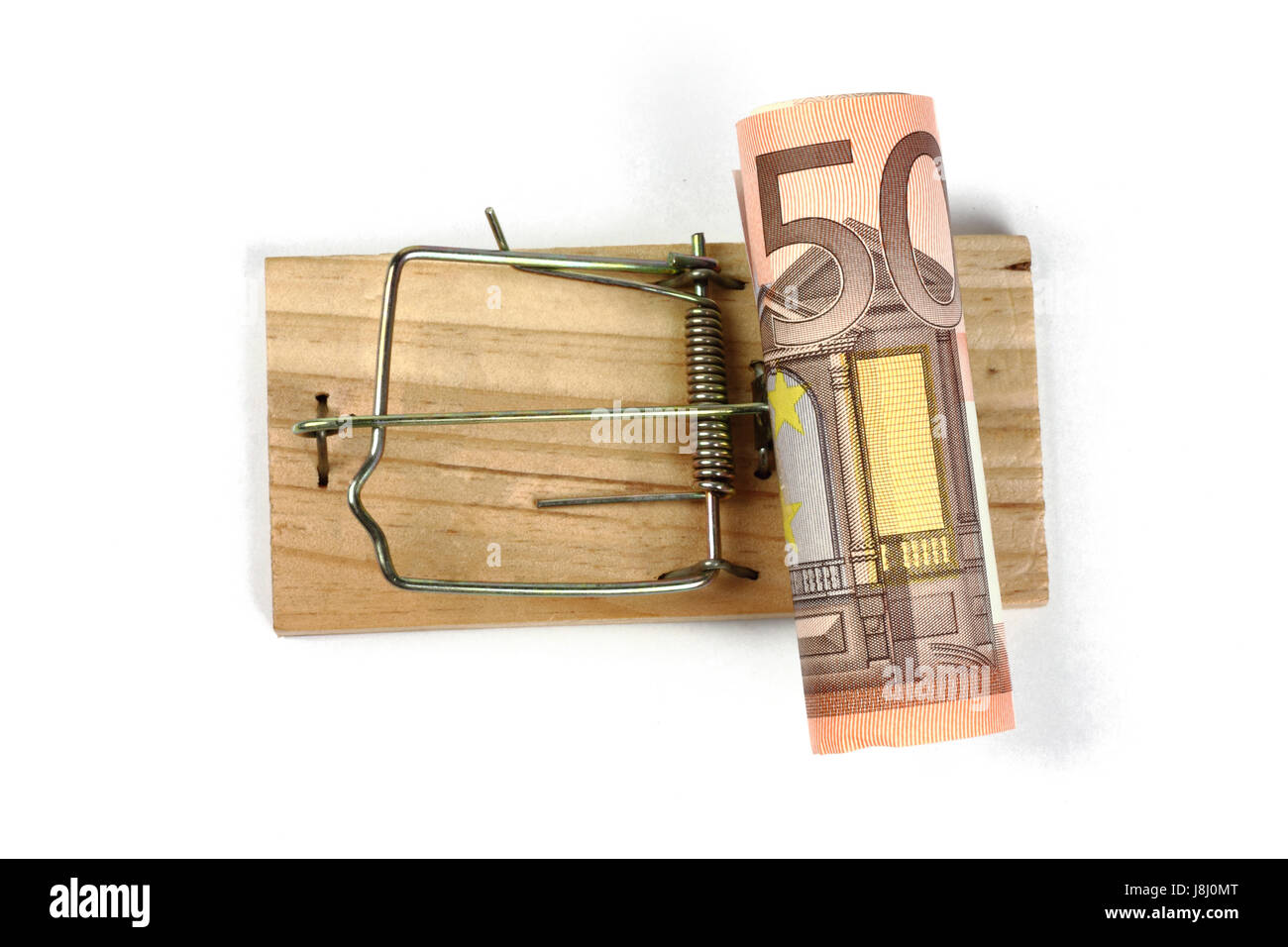
The "triple gains" aren't free money. They are the premium collected for taking on systemic risks that European regulators simply won't permit. Wall Street is currently picking up nickels in front of a steamroller, and the market is applauding them for their "speed."
The Illusion of Diversification
The common critique is that European banks failed to pivot to the "high-margin" investment banking model fast enough. Critics point to UBS absorbing Credit Suisse as the final nail in the coffin for the old European guard.
But look at the quality of the earnings.
Wall Street’s trading revenue is notoriously volatile. It’s "low-quality" earnings. One bad quarter in the repo market or a sudden spike in interest rate volatility, and those "triple gains" evaporate. Meanwhile, the boring, "underperforming" European banks are focused on wealth management and corporate lending—revenue streams that don't vanish the moment the VIX hits 30.
Imagine a scenario where the U.S. Treasury market experiences a genuine liquidity crisis. The very desks posting these "record gains" would be the first to freeze. The European banks, with their higher capital ratios and "slower" trading desks, would be the only ones left standing. We saw a preview of this with the LDI (Liability-Driven Investment) crisis in the UK. The "fast" players were the first to drown.
Stop Asking "Why Can't Europe Compete?"
That is the wrong question. The premise assumes that the Wall Street model is the gold standard.
The real question is: Why are we allowing the global economy to be dictated by the short-term trading P&L of five American firms?
The concentration of power in Goldman, JPMorgan, Citi, BofA, and Morgan Stanley creates a single point of failure. If you want to see what happens when "successful" trading desks dominate a culture, look at the lead-up to the Great Financial Crisis. The numbers were "triple" back then, too.
European banks are currently the only thing preventing a total American monopoly on global credit. Their "failure" to grow as fast is actually a safeguard. They are the friction in a system that is moving too fast for its own good.
The Actionable Truth for Investors
If you are chasing the banks with the highest trading revenue, you aren't an investor. You’re a momentum trader.
- Discount Trading Revenue: When analyzing a bank's "beat," strip out the FICC and equity trading gains. What’s left? That is the actual health of the institution. If the "beat" is 90% trading-driven, the bank didn't get better; the market just got luckier for them.
- Watch the ECB/Fed Divergence: The gap in "gains" will widen as long as the Fed and the ECB remain out of sync on capital requirements. This isn't a reflection of talent; it's a reflection of geography.
- Prepare for the Mean Reversion: Volatility is a double-edged sword. The same desks that post triple gains on the way up post triple losses on the way down.
Wall Street isn't "beating" Europe. It's just playing with higher stakes at a table where the rules are written in its favor. Don't confuse a hot streak for a superior strategy.
The next time you read a headline about "European rivals falling behind," remember that in a race toward a cliff, the person in last place is the only one who survives.
Get out of the casino before the lights go out.