Domestic energy costs operate as a function of three distinct, often misaligned variables: commodity spot prices, infrastructure debt-service requirements, and the geopolitical risk premium. While public discourse focuses heavily on active conflict in the Middle East—specifically the escalation between Israel and Iran—the actual price floor is being raised by structural failures in the global supply chain and the aggressive repricing of carbon-intensive assets. The assumption that a cessation of hostilities would return energy bills to a historical mean ignores the permanent upward shift in the base cost of generation and distribution.
The Triple Convergence of Price Inflation
To quantify the current surge in energy bills, one must dissect the pricing mechanism into its constituent parts. The retail price paid by the consumer is not a direct reflection of the Brent Crude or Henry Hub ticker. It is a composite of:
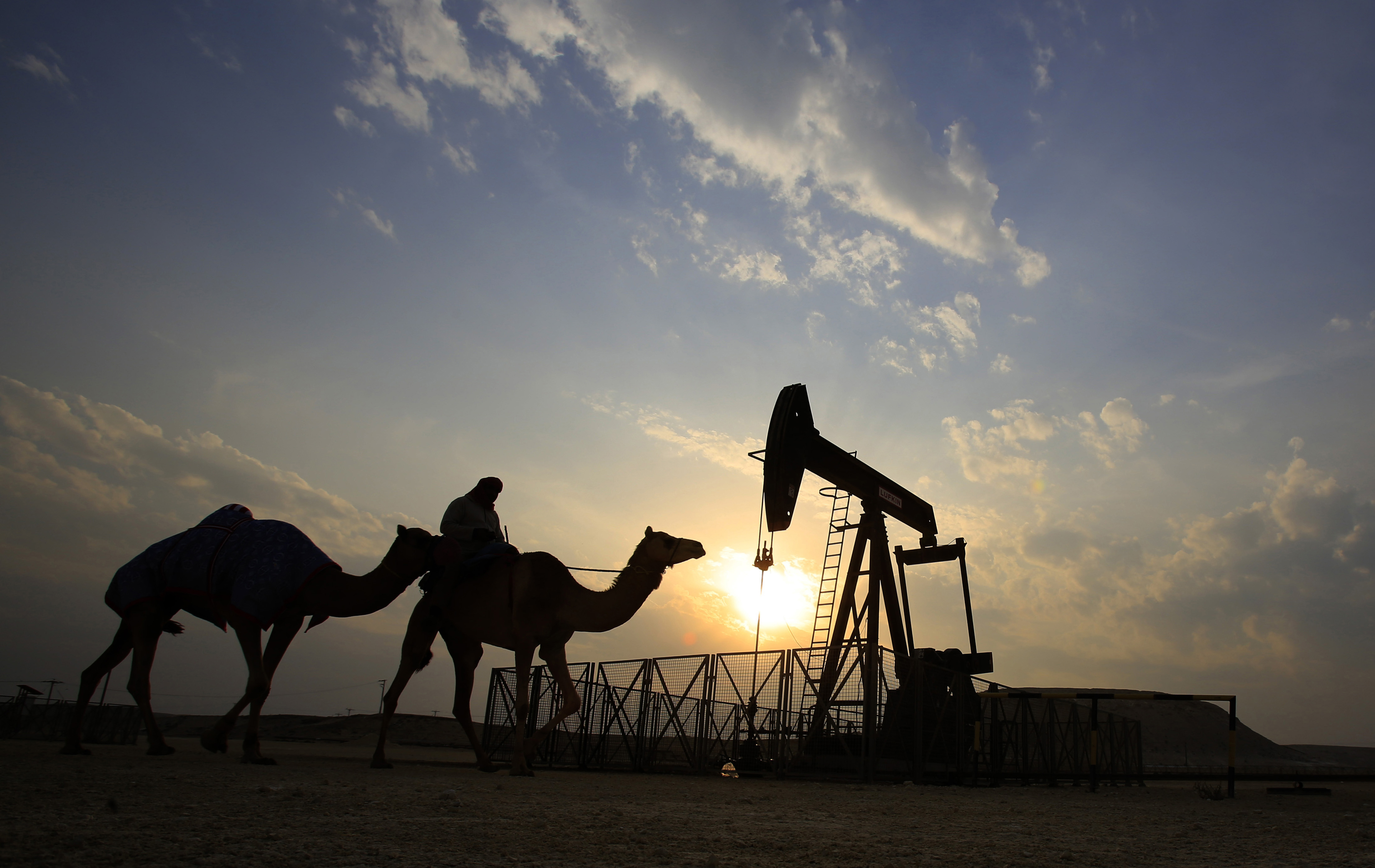
The Geopolitical Risk Premium (GRP): This is the speculative value added to a barrel of oil or a cubic meter of gas based on the probability of a supply disruption. The Strait of Hormuz, through which roughly 20% of the world’s liquid petroleum flows, represents a single point of failure. When tensions between Iran and regional actors spike, the market prices in the "tail risk" of a blockade. This is an insurance premium paid by the entire global economy.
The Infrastructure Maintenance Gap: Decades of underinvestment in physical grids and pipelines have reached a breaking point. Regulated utilities are passing the costs of "hardening" the grid against climate-related stress and aging infrastructure directly to the ratepayer. These costs are fixed; they do not fluctuate with the price of oil.
The Decarbonization Surcharge: The transition to renewable energy requires massive upfront capital expenditure (CAPEX). While the marginal cost of wind and solar is near zero, the cost of the batteries, transmission lines, and gas-fired backup plants required to stabilize the grid is substantial. Consumers are essentially financing the most significant industrial overhaul since the 19th century.
The Friction of Global Supply Chains
The conflict in the Middle East introduces immediate friction into maritime logistics. Insurance premiums for tankers traveling through the Red Sea and the Persian Gulf have risen by orders of magnitude. When a vessel's insurance costs jump from 0.01% to 1% of the hull value within a week, that cost is amortized across the cargo and eventually reflected in the retail price of gasoline and heating oil.
Beyond the immediate theater of war, the global energy map is being redrawn. Europe's pivot away from Russian pipeline gas toward Liquefied Natural Gas (LNG) from the United States and Qatar has introduced a new floor for prices. LNG is fundamentally more expensive than pipeline gas due to the liquefaction process, the specialized shipping requirements, and the regasification at the destination. The "cheap energy" era for Western manufacturing has effectively ended, regardless of the outcome of any specific regional skirmish.
[Image of LNG supply chain flow chart]
The Elasticity Problem and Demand Destruction
Energy demand is relatively inelastic in the short term; people must heat their homes and commute to work regardless of price. However, we are approaching a "demand destruction" threshold where prices become so high that economic activity slows, eventually forcing prices back down. The danger in the current environment is that price increases are driven by supply-side shocks rather than demand-side growth. This creates a stagflationary pressure where costs rise while the broader economy stagnates.
The logic of the current market suggests that even if Iran and Israel reached a diplomatic equilibrium tomorrow, the risk premium would not vanish entirely. It would merely be recalibrated. Market participants have seen the fragility of the supply chain; they will now demand a permanent "fragility discount" or higher prices to hedge against the next inevitable flare-up.
The Cost Function of Distribution
A significant portion of an energy bill—often 40% or more—is comprised of "network costs." These are the costs associated with the physical delivery of energy. In many jurisdictions, these costs are calculated using a "revenue cap" or "price cap" model regulated by the government.
The current cycle of high interest rates has made the debt required to maintain these networks significantly more expensive. Utilities that borrowed at 2% a decade ago are now refinancing at 6% or 7%. This increased interest expense is a pass-through cost. The consumer is not just paying for the gas or electricity; they are paying for the debt service of the companies that own the wires and pipes. This creates a ratchet effect: prices go up easily when interest rates or commodity prices rise, but they rarely return to their original levels when those variables soften.
Strategic Realignment of Domestic Policy
Governments are currently trapped between the need to protect consumers from "fuel poverty" and the need to maintain the solvency of energy providers. The primary tool used—subsidies—is a temporary sedative that masks the underlying structural rot. Subsidizing energy bills is essentially a transfer of wealth from the taxpayer to energy producers, which does nothing to address the supply-side constraints.
A more rigorous approach involves three tactical shifts:
- Diversification of Import Terminals: Reducing reliance on single geographic chokepoints by investing in multi-modal energy imports.
- Incentivizing Base-Load Stability: Moving away from a purely intermittent renewable strategy toward a mix that includes nuclear or carbon-capture gas, which provides a predictable cost profile.
- Aggressive Energy Efficiency Mandates: The most effective way to lower a bill is to reduce the volume of energy required. This requires a massive, state-led retrofit of the building stock, shifting the focus from supply management to demand optimization.
The Myth of Energy Independence
The phrase "energy independence" is often used as a political shield, but in a globalized commodity market, it is largely a misnomer. Even if a nation produces more energy than it consumes, its domestic prices are still pegged to global benchmarks. A driller in Texas will not sell oil to a domestic refinery for $60 if they can sell it on the global market for $90. Therefore, domestic production does not insulate the consumer from the volatility caused by Middle Eastern conflicts; it only provides a macroeconomic hedge for the nation's trade balance.
True insulation requires a decoupling from the global commodity price curve. This is only possible through high-penetration renewables paired with long-term storage or nuclear power, where the "fuel" cost is either zero or a negligible fraction of the total operating cost. Until that transition is complete, the consumer remains a hostage to the stability of the Persian Gulf.
Quantifying the Vulnerability
The current market is pricing in a "limited escalation" scenario. A "total war" scenario involving the closure of the Strait of Hormuz would likely see oil prices exceed $150 per barrel, leading to a global recession. The fact that energy bills are rising now, during a period of relative (if tense) containment, suggests that the market is already factoring in the decay of the post-Cold War security architecture.
The era of predictable, low-inflation energy is being replaced by a period of "security-first" energy procurement. In this new paradigm, reliability is prioritized over cost-efficiency. This shift is permanent. The infrastructure is being rebuilt for a more fragmented world, and the consumer is being asked to foot the bill for this fragmentation.
The Final Strategic Calculation
Investment should be redirected from temporary price caps toward the accelerated depreciation of legacy fossil fuel infrastructure. The longer the transition to a decoupled energy system takes, the longer the domestic economy remains exposed to the "Middle East volatility tax."
The immediate action for large-scale energy consumers is to move toward long-term Power Purchase Agreements (PPAs) that lock in pricing at fixed rates, bypassing the volatility of the spot market. For the individual consumer, the strategy is less about timing the market and more about aggressive electrification and efficiency. The price of the commodity will remain a volatile variable beyond any government's control; the only controllable variable is the intensity of consumption.
The geopolitical risk premium is no longer an anomaly; it is the new baseline. Stop waiting for the "return to normal." Normal has been repriced.