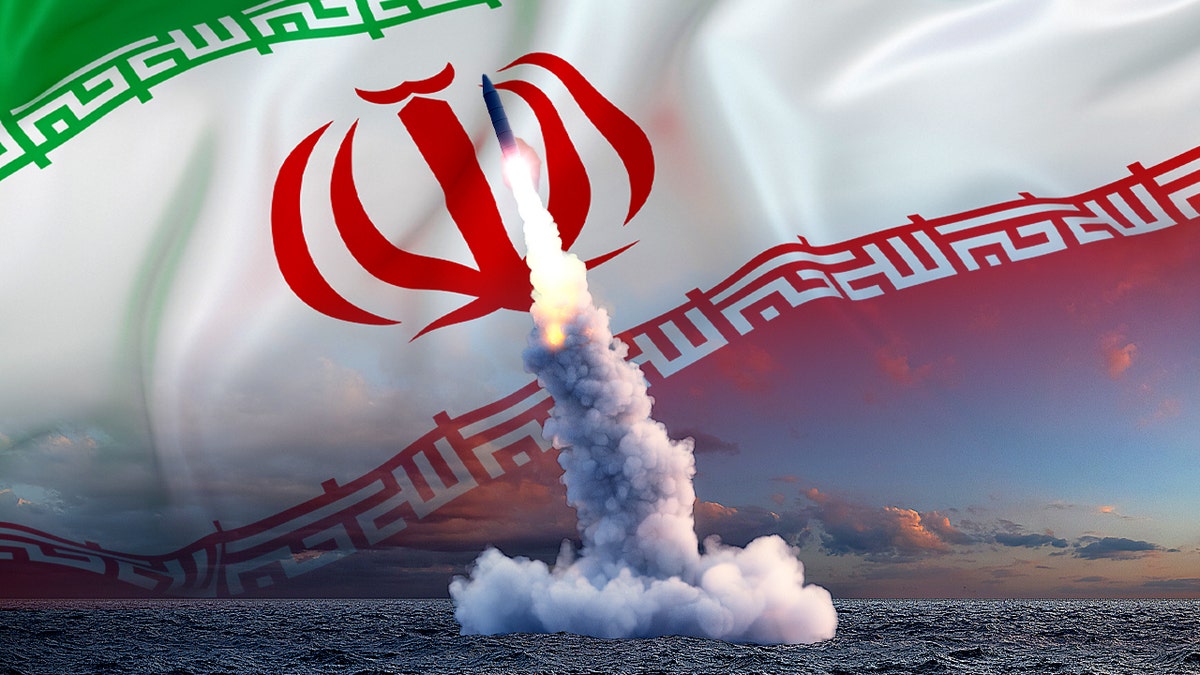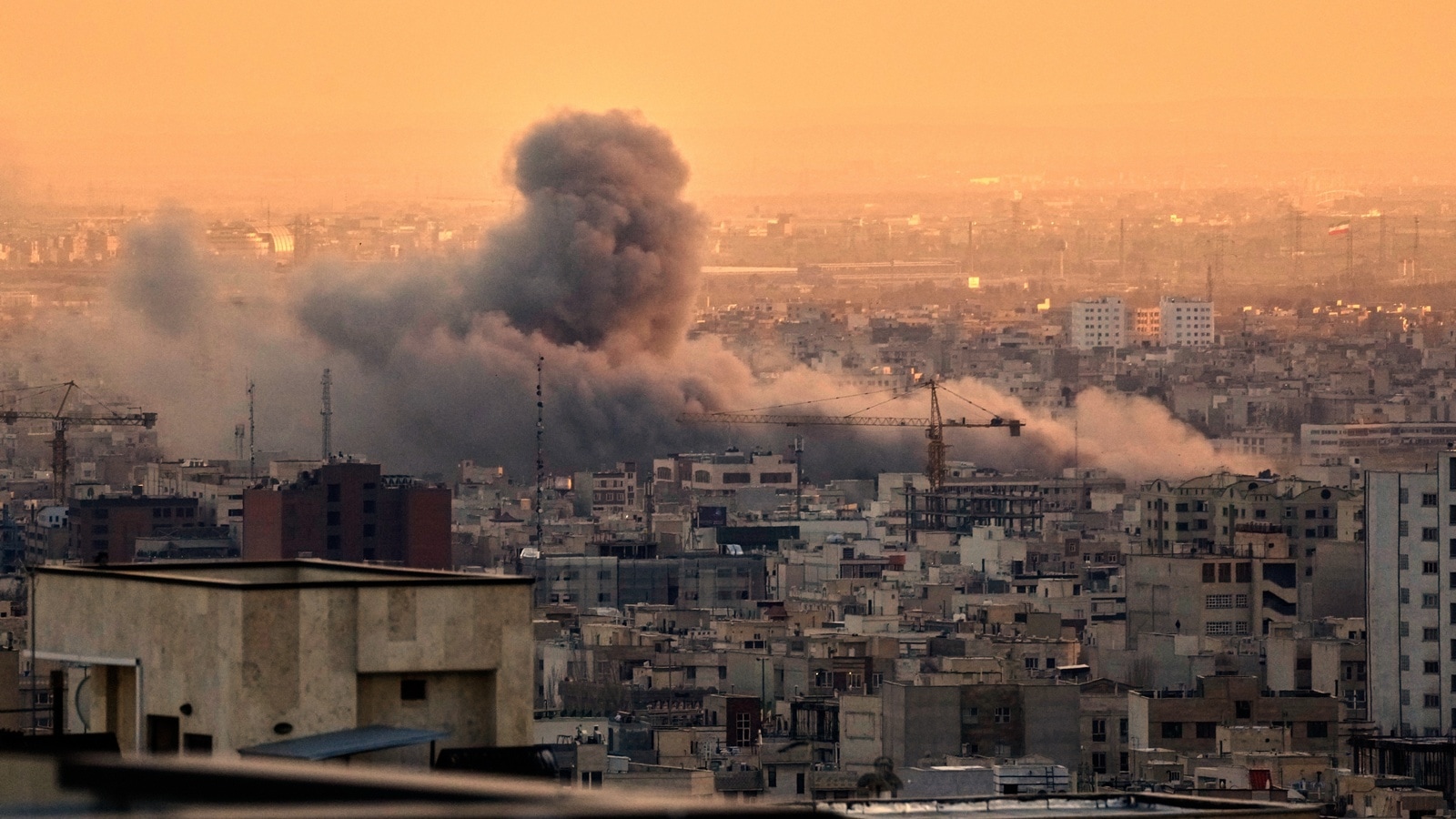
The Strait of Hormuz serves as the world’s most critical maritime chokepoint, facilitating the transit of approximately 21 million barrels of oil per day—roughly 21% of global liquid petroleum consumption. Any Iranian proposal to "reopen" or guarantee the security of this passage in exchange for diplomatic concessions is not a gesture of goodwill, but a recalibration of kinetic leverage into economic statecraft. When Tehran signals a willingness to negotiate under specific conditions with a Trump administration, it is attempting to arbitrage the disparity between US domestic political priorities and regional security requirements.
The Triple-Constraint Framework of Iranian Diplomacy
The reported three conditions for stabilizing the Strait represent a sophisticated defensive perimeter designed to decouple the US from its regional allies while securing long-term regime survival. By analyzing these conditions through a lens of strategic realism, we can identify the specific pressure points Iran seeks to exploit.
1. Economic Neutralization and Sanction Reciprocity
The primary Iranian objective is the removal of the "Maximum Pressure" architecture. For Tehran, the Strait of Hormuz is a functional extension of its economy. When sanctions prevent Iran from exporting its own crude, the utility of the Strait shifts from a revenue stream to a denial-of-service tool. The demand for sanction relief is a requirement for operational parity. If Iran cannot participate in the global energy market, it views the cost of disrupting that market as a justified externalization of its internal economic pain.
The cost function of this disruption is non-linear. A 1% decrease in global supply does not result in a 1% price increase; rather, it triggers speculative volatility that can spike Brent Crude prices by 15-30% within 48 hours. Iran uses this elasticity as a weapon.
2. Sovereignty and Non-Interventionist Guarantees
The second pillar involves a demand for formal recognition of the current political order. This is a direct response to the perceived US policy of regime change. By demanding non-interference, Iran seeks to neutralize the "Grey Zone" tactics—cyber warfare, intelligence operations, and support for internal dissent—that the US utilizes to weaken the IRGC (Islamic Revolutionary Guard Corps) without engaging in conventional conflict.
3. Regional Security Autonomy
The final condition often centers on the withdrawal or reduction of Western military footprints in the Persian Gulf. Iran’s strategic doctrine, "Forward Defense," posits that any foreign military presence within the 21-mile wide narrows of the Strait is an inherent violation of its sphere of influence. Tehran aims to replace the US-led International Maritime Security Construct (IMSC) with a regional framework where it holds the dominant naval hand.
The Mechanics of Maritime Denial
To understand why the Strait of Hormuz remains Iran’s most potent bargaining chip, one must evaluate the asymmetric capabilities of the IRGC Navy (IRGCN). Unlike traditional blue-water navies, the IRGCN utilizes a "swarm" doctrine.
- Fast Attack Craft (FAC): Small, highly maneuverable vessels armed with anti-ship missiles or rocket launchers.
- Sea Mines: Stealthy, low-cost assets that require expensive and time-consuming minesweeping operations to clear.
- Coastal Defense Cruise Missiles (CDCMs): Mobile batteries hidden along the rugged Persian coastline, capable of targeting tankers across the entire width of the Strait.
The bottleneck creates a geographic trap. Deep-water channels for ultra-large crude carriers (ULCCs) are narrow, limiting their ability to maneuver or evade incoming threats. This environmental constraint transforms the Strait into a kill zone where high-tech US carrier strike groups face diminishing returns on their technological superiority due to the sheer density of low-tech threats.
Global Supply Chain Fragility and the "Insurance Tax"
The mere threat of closing the Strait imposes an immediate "war risk" premium on global shipping. This is not a hypothetical cost; it is a measurable financial burden.
- Hulls and Machinery Insurance: Rates for vessels transiting the Gulf can increase tenfold during periods of heightened tension.
- Bunker Adjustment Factors: Increased fuel consumption due to rerouting or slower speeds to minimize wake signatures in dangerous waters.
- Opportunity Costs: The Red Sea and the Cape of Good Hope offer alternatives, but they add 10-15 days to transit times, effectively reducing the global fleet's total carrying capacity.
This "Insurance Tax" serves Iran’s interests by exerting pressure on the global financial system without firing a single shot. It forces multinational corporations to lobby the US government for de-escalation, creating an internal friction point between the White House and the private sector.
Strategic Miscalculations and the Trump Variable
The Iranian leadership views Donald Trump not as a conventional diplomat, but as a transactional actor. Their offer to reopen or secure the Strait is tailored to his "America First" doctrine, which prioritizes domestic economic metrics (gas prices, inflation) over the maintenance of long-standing international security alliances.
However, a structural mismatch exists. Iran seeks a comprehensive "Grand Bargain," whereas the US strategy under Trump has historically favored bilateral, highly specific deals that emphasize immediate gains. The risk of a "break-even" failure is high:
- The Credibility Gap: Iran has a history of using proxy forces (like the Houthis in the Bab el-Mandeb) to maintain plausible deniability while disrupting trade.
- The Verification Bottleneck: Even if sanctions are lifted, the US Treasury lacks a mechanism to ensure that the resulting revenue is not diverted to regional destabilization efforts.
The Strategic Recommendation
For the US to navigate this offer effectively, the response must move beyond reactive diplomacy and into a proactive realignment of energy security.
First, the US must accelerate the redundancy of the Strait of Hormuz by supporting the expansion of the East-West Pipeline (Petroline) in Saudi Arabia and the Abu Dhabi Crude Oil Pipeline (ADCOP) in the UAE. Reducing the percentage of global oil that must pass through the Strait diminishes Iran's leverage.
Second, any negotiation regarding the Strait must be contingent on a "Zero Proxy" clause. Iran cannot offer security in the Persian Gulf while simultaneously fueling instability in the Red Sea. The two maritime theaters are linked in a singular energy corridor; treating them as separate issues allows Iran to trade a "concession" in one area for an escalation in another.
The path forward requires a cold-eyed recognition that the Strait of Hormuz is not just a waterway, but a thermodynamic system where economic pressure is converted into political heat. The goal is not a "return to normal," but the construction of a new equilibrium where the cost of Iranian disruption exceeds the benefit of their demands. This requires a sustained commitment to maritime hardening, energy diversification, and a refusal to accept transactional stability at the cost of long-term strategic erosion.