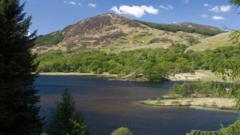
The group that spent years fighting to turn southwest Scotland into a national park just walked away. The Galloway National Park Association (GNPA) officially disbanded, ending a long-running campaign that split local opinion right down the middle. This isn't just about a change in leadership or a rebranding effort. It's a complete shutdown. If you've lived in Dumfries and Galloway recently, you know how heated this got.
The GNPA played a huge role in getting the Scottish Government to consider Galloway as a candidate for the country's third national park. But after the Scottish Borders and other regions dropped out of the race, Galloway became the primary focus. Now, the very people who pushed for this status have pulled the plug on their organization. It leaves a massive question mark over what happens next for the region.
The GNPA exit and what it actually means
The GNPA didn't just disappear because they were bored. They achieved their core goal. They wanted Galloway to be the "preferred choice" for the new park status, and the Scottish Government agreed. NatureScot is now deep into a formal consultation process to see if the plan actually works for the people living there.
By disbanding now, the GNPA is trying to step back and let the official process take over. They claim their job is done. They started the fire, and now they're letting the government handle the grill. Honestly, it's a strategic move. By dissolving, they avoid being the target of the increasingly loud "No Galloway National Park" (NGNP) campaign during the final decision-making phase.
It’s a bold way to go. Most advocacy groups hang on until the ribbon-cutting ceremony. Instead, the GNPA is betting that the momentum they built is enough to carry the proposal across the finish line without them.
Local backlash and the rise of the No campaign
You can't talk about the GNPA without talking about the fierce opposition they faced. The "No Galloway National Park" group didn't just disagree; they organized. They've been everywhere. Farmers, landowners, and small business owners have expressed massive concerns about red tape and bureaucracy.
I've seen these debates play out in town halls. The fear isn't about nature. Everyone loves the hills and the coast. The fear is about another layer of government telling you what you can do with your barn or your field. National parks in Scotland, like the Cairngorms or Loch Lomond and The Trossachs, have specific planning powers. For a farmer in Newton Stewart or a builder in Castle Douglas, that sounds like a headache they don't need.
The GNPA struggled to shake the image of being an "outsider" or "top-down" influence. Even though many members were locals, the opposition successfully framed the park as a threat to the working countryside. When the GNPA announced their dissolution, the "No" camp didn't see it as a victory lap. They saw it as the pro-park side avoiding accountability.
NatureScot takes the wheel
Since the GNPA is gone, NatureScot is the only player left in the room with the data. They are the ones running the public consultation until early 2025. They have to weigh the environmental benefits against the economic anxieties of the locals.
If you’re looking for the numbers, here’s the reality. National parks can bring in serious tourism money. But tourism is a double-edged sword. It brings jobs, but it also brings traffic, campervans blocking narrow roads, and rising house prices that push out local families. Galloway is already struggling with an aging population and a lack of affordable housing.
NatureScot has to prove that a national park won't make those problems worse. They’ve been holding "drop-in" sessions across the region, from Stranraer to Dalbeattie. These meetings haven't always been polite. People are worried about their livelihoods.
Lessons from the Cairngorms
We should look at the Cairngorms National Park to see why people are so twitchy. It’s been around for over twenty years. While it’s a massive success for conservation, the tension between the Park Authority and the local residents never truly died.
In Galloway, the proposed boundary is huge. It covers parts of Dumfries and Galloway, East Ayrshire, and South Ayrshire. Managing that much diverse land—from commercial forestry to coastal villages—is a logistical nightmare. The GNPA knew this. Their exit might be a way to avoid the blame if the final map ends up making nobody happy.
What happens to the supporters now
Just because the GNPA disbanded doesn't mean the "Yes" side is silent. Many former members will likely continue to lobby as individuals. They believe Galloway needs a "brand" to survive. They see the national park as a way to protect the dark skies, the UNESCO Biosphere, and the unique ruggedness of the area from over-development or poorly planned wind farms.
The Galloway National Park Association’s legacy is this: they took a fringe idea and made it the most talked-about issue in southwest Scotland. Whether you think they’re heroes or villains, they changed the map.
How to have your say
The consultation isn't over. If you live in the area or care about the future of the Scottish countryside, you have to engage with NatureScot directly. Don't wait for another group to represent you. The GNPA is gone. The "No" campaign is still shouting. The middle ground is where the actual decision will be made.
Go to the NatureScot website. Look at the proposed boundaries. If a specific glen or village shouldn't be included, tell them why. If you think the economic boost is worth the extra rules, make that case. The Scottish Government will make a final call based on the report NatureScot delivers in the spring of 2026.
The era of the GNPA is over, but the fight for Galloway is just getting started. Write your local MSP. Attend the remaining public meetings. This is the last chance to shape the region for the next fifty years. Don't let the silence of a disbanded group be the final word on your backyard.