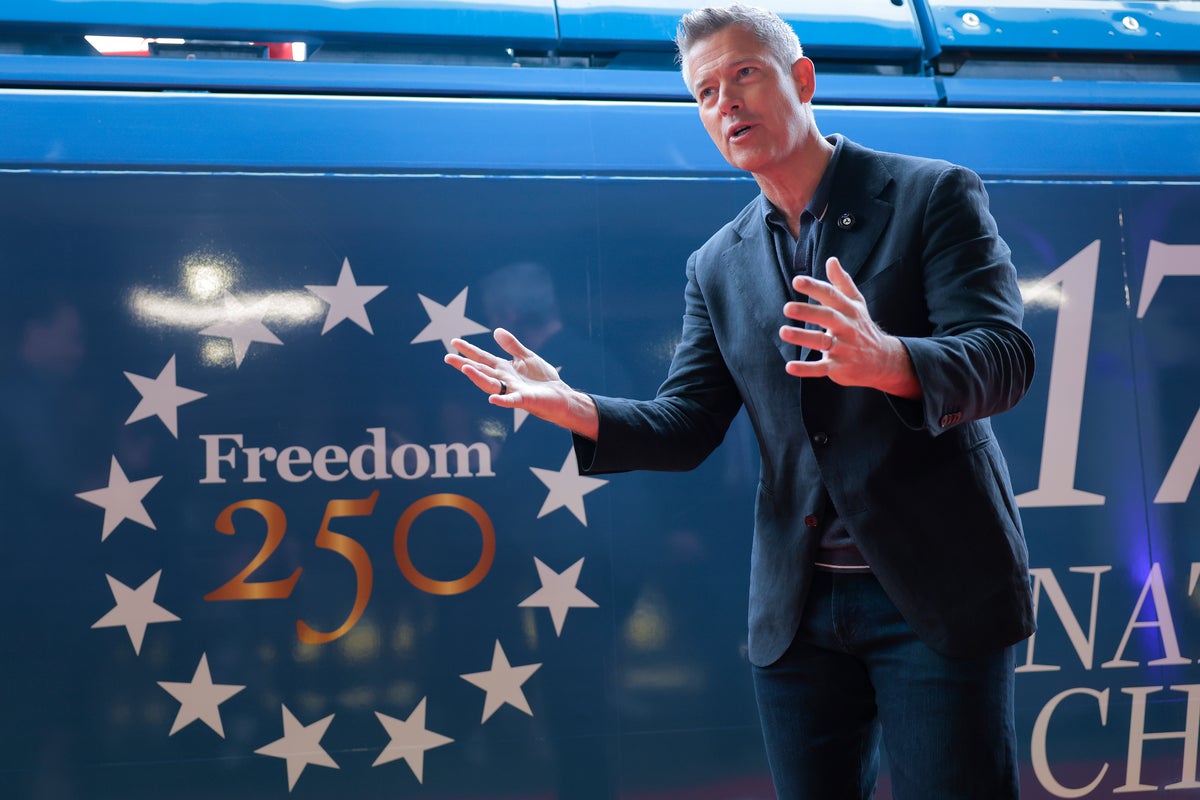
The media is losing its collective mind because an unnamed travel brand pulled out of sponsoring Transportation Secretary Sean Duffy’s upcoming YouTube reality series, The Great American Road Trip. Watchdog groups are taking victory laps, claiming this sudden corporate cold feet proves the project is an ethical nightmare. They argue that paying up to $1 million for a spot on a cabinet secretary's family road trip is a transparent play to buy access and bypass federal gift rules.
They have it completely backward.
The corporate retreat from this show isn't a triumph of ethics. It is a textbook demonstration of corporate cowardice. Brands fleeing this production are missing the most straightforward marketing opportunity of the decade. They are reacting to Beltway noise while ignoring how modern attention actually works. In an era where legacy advertising is dead and audiences tune out traditional PR, dropping out of a highly publicized, polarizing media event because a watchdog group filed a complaint is a profound failure of nerve and strategy.
The Myth of Bought Access
Let’s dismantle the premise that a $1 million sponsorship buys policy favors from the Department of Transportation. I have spent years watching Fortune 500 companies navigate Washington. The idea that a massive corporation like Boeing, Toyota, or United Airlines needs a YouTube travel show to get a meeting with a department head is laughably naive.
Multibillion-dollar regulated entities already possess permanent, multi-million-dollar government affairs operations. They have armies of lobbyists, legal teams, and industry trade groups embedded in Washington. Their executives see regulatory officials at scheduled summits, congressional hearings, and official agency briefings every single week.
Imagine a scenario where a global airline CEO thinks, “We need to discuss air traffic control staffing shortages, so let's cut a check to a Delaware-registered nonprofit and hope we can bring it up while filming a segment next to a Toyota SUV.” It is absurd.
The sponsorship pitch, managed by a nonprofit executive director, was never about purchasing policy outcomes. It was an unvarnished product integration and branding play tied to America’s 250th anniversary. Yet, when a single anonymous travel company got nervous and whispered to journalists that the arrangement felt "too cute," the press treated it as a smoking gun.
The Cowardice of the Modern Brand
The real lesson here is how quickly modern corporations surrender to the slightest hint of controversy. Brands constantly preach about risk management, but their version of risk management is running away from anything that generates a negative tweet.
By pulling out, a sponsor doesn't look ethical. They look fragile. They validate the exact narrative their critics are manufacturing. They signal to the market that their marketing strategy can be derailed by a standard-issue press release from a political opponent.
Consider the reality of the media ecosystem. Traditional television commercials have negligible return on investment for building deep brand affinity. Audiences are fractured. They are streaming, skipping ads, or looking at their phones. A five-part documentary series featuring a prominent public family traversing the country draws guaranteed, sticky eyeballs. It generates high-intent engagement.
Duffy’s background as an MTV reality alumnus means he understands the mechanics of the screen better than almost anyone else in government. The show is built to be watched, argued over, and shared. For a brand looking to showcase its reliability, its vehicles, or its travel services across the American landscape, that footprint is invaluable. Fleeing that asset because Citizens for Responsibility and Ethics in Washington filed a complaint is an act of commercial self-sabotage.
The Double Standard of Government Engagement
Every critic howling about Duffy’s show is ignoring decades of established corporate-government partnerships that look identical under the hood.
Governments frequently partner with private enterprises to promote initiatives. NASA collaborates with luxury watchmakers and aerospace firms for public relations campaigns. State tourism boards routinely film promotional videos featuring sitting governors driving specific American-made trucks or visiting corporate-sponsored landmarks. Cities offer massive tax breaks and free public promotion to tech giants in exchange for photo opportunities and corporate bragging rights.
The only difference here is the format. Because it uses the grammar of reality television and involves a polarizing figure, the establishment treats it as unprecedented corruption.
If a department secretary tours an infrastructure project in a generic government vehicle surrounded by corporate executives in suits, it is deemed an official site visit. If that same secretary tours that same infrastructure project with his family on camera while driving a sponsored vehicle, it is labeled a violation of federal gift rules. This is a distinction based entirely on aesthetics, not substance. The underlying economic and political dynamics remain identical.
The Cost of Staying Invisible
The downside to staying out of the fray is far worse than enduring a 48-hour news cycle about a sponsorship dispute. The companies that remained on the sponsor list—the ones willing to absorb the temporary heat—understand a fundamental truth about modern commerce: attention is the ultimate currency.
When a brand stays in a controversial project, it wins twice. First, it captures the raw traffic generated by the media storm. Every article attacking the show lists the sponsors, giving those brands millions of dollars in free name recognition before the first episode even drops. Second, it demonstrates resilience to its core consumer base. Audiences are increasingly fatigued by corporations that apologize, back down, and scrub their logos from anything that causes a ripple in Washington.
The absolute worst place for a consumer brand to be in 2026 is invisible, safe, and boring. By retreating to the comfort of quiet, uninspired marketing campaigns, the brands that walked away from this show didn't protect their reputation. They just guaranteed that nobody would remember them.
Stop treating every political PR skirmish as a board-level crisis. The corporate giants that stick to the road trip will reap the rewards of sustained cultural relevance long after the inspector general's report is buried on page ten of the Sunday paper. The ones who ran away are left with nothing but an empty slot in their media budget and a reputation for being easily spooked.