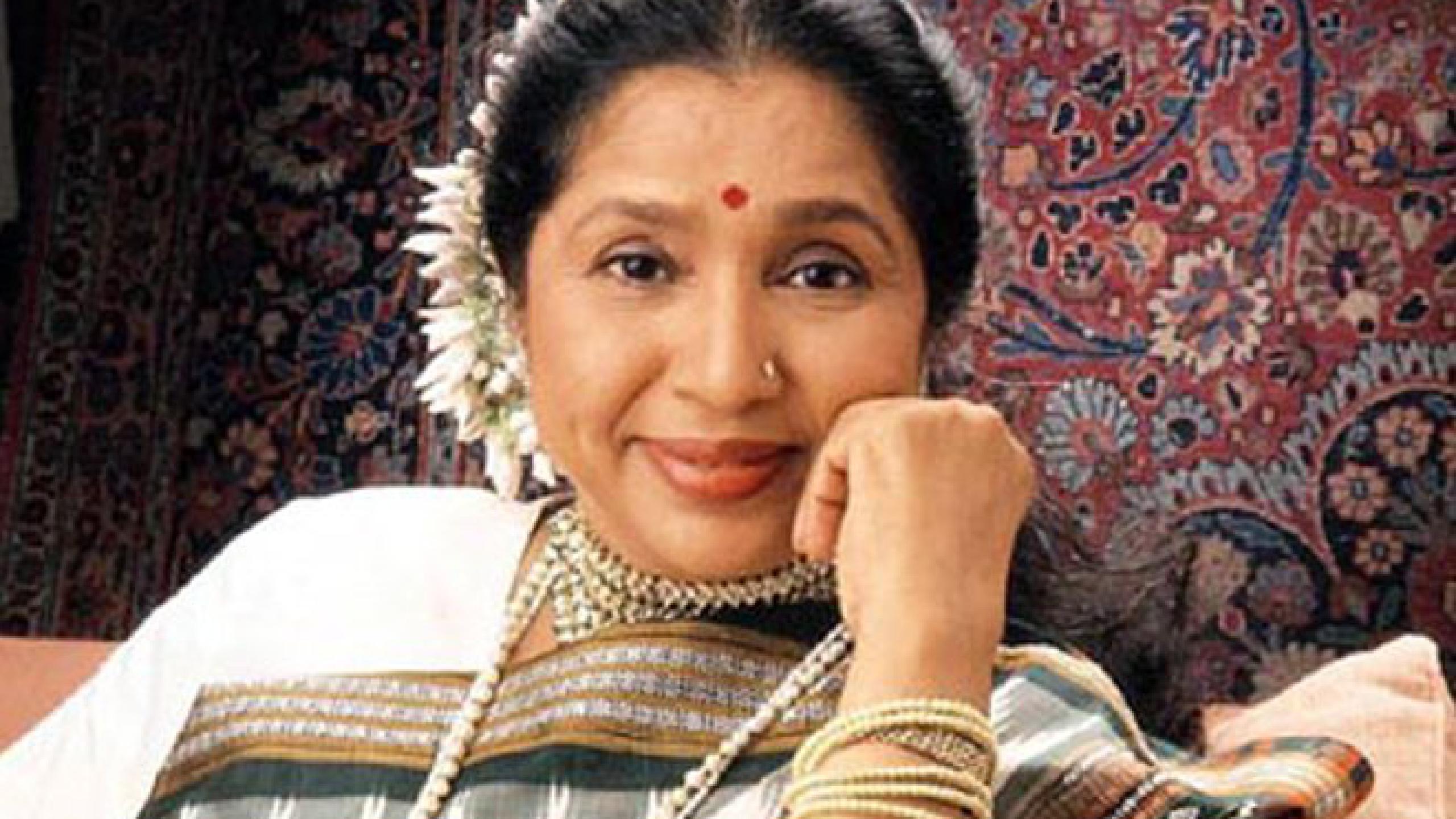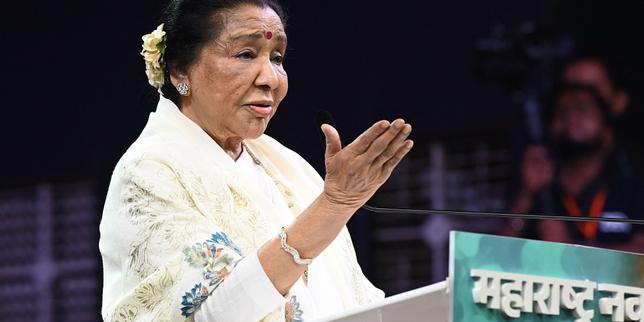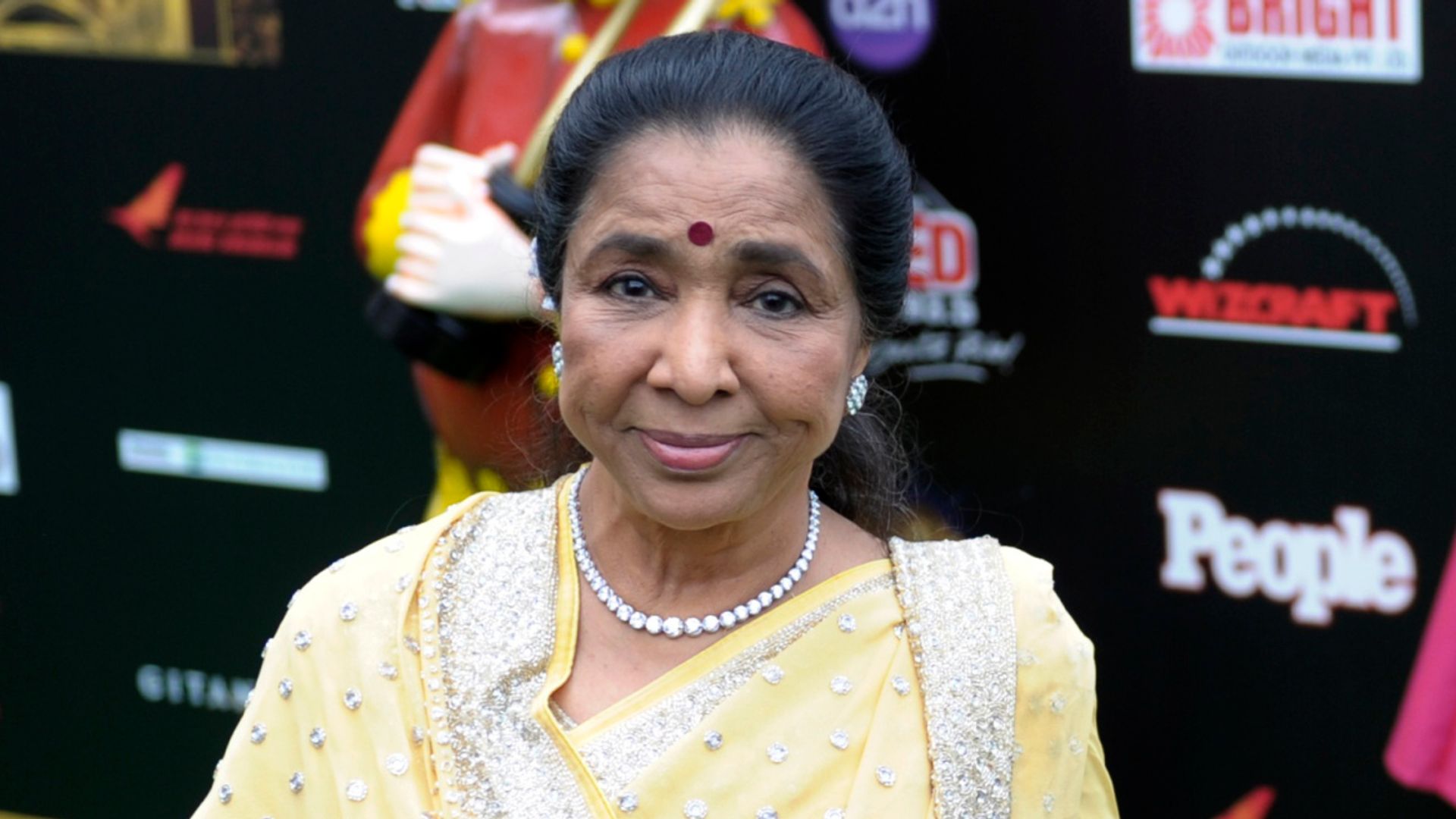
The voice that defined Indian grit, glamour, and heartbreak has finally gone quiet. Asha Bhosle, the legendary playback singer who outlived her contemporaries and outpaced the changing tides of Bollywood for seven decades, has died at the age of 92. It's not just the end of a career. It's the closing of a chapter on an era where music was the undisputed soul of Indian cinema.
She wasn't just a singer. She was a survivor. While others were boxed into specific genres, Asha broke every wall she encountered. Whether it was the sultry cabaret numbers of the 70s or the soulful ghazals that made you ache, she handled it all with a signature velvet rasp. If you grew up in South Asia or followed the global diaspora, her voice was likely the soundtrack to your life's most intense moments.
Why Asha Bhosle Was the Greatest to Ever Do It
Most people talk about the rivalry with her sister, Lata Mangeshkar. That’s a tired narrative. While Lata was the "Goddess of Music," representing purity and the ethereal, Asha was the voice of the earth. She was the woman who lived, loved, and fought. Her versatility wasn't just a skill; it was a necessity. In the early days, she often got the songs the leading ladies didn't want—the "vamp" songs, the club tracks, the experimental bits.
She took those scraps and turned them into gold. By the time the 1960s rolled around, composers like O.P. Nayyar and later R.D. Burman realized that Asha could do things nobody else dared. She could modulate her voice to sound like a teenager or a weary grandmother. She could sing in over 20 languages. The Guinness World Records eventually recognized her as the most recorded artist in music history. That’s thousands of songs. Think about the stamina required for that. It’s staggering.
The Burman Era and the Reinvention of Pop
You can't discuss Asha’s legacy without mentioning R.D. Burman. Their partnership changed the DNA of Indian music. Before them, film songs were largely orchestral and traditional. They brought in bossa nova, rock and roll, and jazz.
- Dum Maro Dum became an anthem for a generation of rebels.
- Piya Tu Ab To Aaja redefined what a dance track could be.
- Chura Liya Tumne remains the gold standard for romantic acoustics.
Asha didn't just sing these lyrics. She performed them. You could hear the smirk in her voice, the wink, or the literal breathiness that drove censors crazy back in the day. She was bold when the industry demanded women be demure. That’s why she stayed relevant. When the 90s arrived and the "Indipop" scene exploded, she didn't retire. She collaborated with artists like Boy George and Kronos Quartet. She showed everyone that age is just a number if your spirit remains sharp.
Facing the Reality of an Industry Without Her
The loss of Asha Bhosle leaves a void that today’s Pro-Tools-dependent industry can't fill. Modern singers often sound interchangeable, smoothed over by heavy tuning. Asha was the opposite. Her "imperfections" were her strengths. The slight grit in her lower register or the way she’d slide into a note—those were human touches.
Her passing reminds us that the foundational pillars of the Golden Age are almost all gone. She was the last bridge to a time when melody was king and lyrics actually meant something. If you listen to her work in Umrao Jaan, you hear a different woman entirely from the one who sang Rangeela Re a decade later. That's the hallmark of true genius. She never stayed in one place long enough to get dusty.
Technical Mastery Behind the Magic
People think she just had a "natural" gift. That’s half the truth. She was a technical powerhouse. Her breath control was legendary among recording engineers. She could hold long, winding taans without a flicker of fatigue.
- Vocal Range: She moved between three octaves with zero friction.
- Adaptability: She could mimic the vocal textures of the actresses she sang for, making the performance feel seamless on screen.
- Diction: Her Urdu was as flawless as her Marathi or Bengali.
She survived the transition from mono recording to digital workstations without losing her essence. That’s rare. Most artists from the analog era struggled to adapt to the "cleaner" sound of digital. Asha thrived in it. She used the clarity to show off even more detail in her vocal runs.
Beyond the Recording Studio
Asha was also a savvy businesswoman and a world-class cook. Her restaurant chain, Asha’s, wasn't just a celebrity vanity project. She was deeply involved in the recipes, often stating that cooking was as much an art as singing. This zest for life defined her. Even in her 80s, you’d see her on stage, decked out in a stunning sari and diamonds, cracking jokes and hitting notes that singers half her age couldn't reach.
She faced immense personal tragedy, including the loss of her children and her husband, R.D. Burman. Yet, she never played the victim. She walked back into the studio and worked. That work ethic is what made her an icon. She didn't just show up; she dominated.
What You Should Do Now
Don't just read the headlines and feel sad. The best way to honor a legacy like this is to actually listen. Put down the curated "Top 50" global charts for an hour. Go back and listen to the Utsav soundtrack or the haunting melodies of Mera Kuch Saamaan.
Experience the range. Compare the playful flirtation of her early duets with Mohammed Rafi to the melancholic depth of her later solo work. If you're a musician, study her phrasing. If you're just a fan, let the nostalgia wash over you. We won't see another artist with this kind of longevity or cultural impact again. The mold isn't just broken; it’s gone.
Start a playlist. Share your favorite track with someone who hasn't heard it. Keep the voice alive because the woman behind it has earned her rest.